
 Pin Recipe
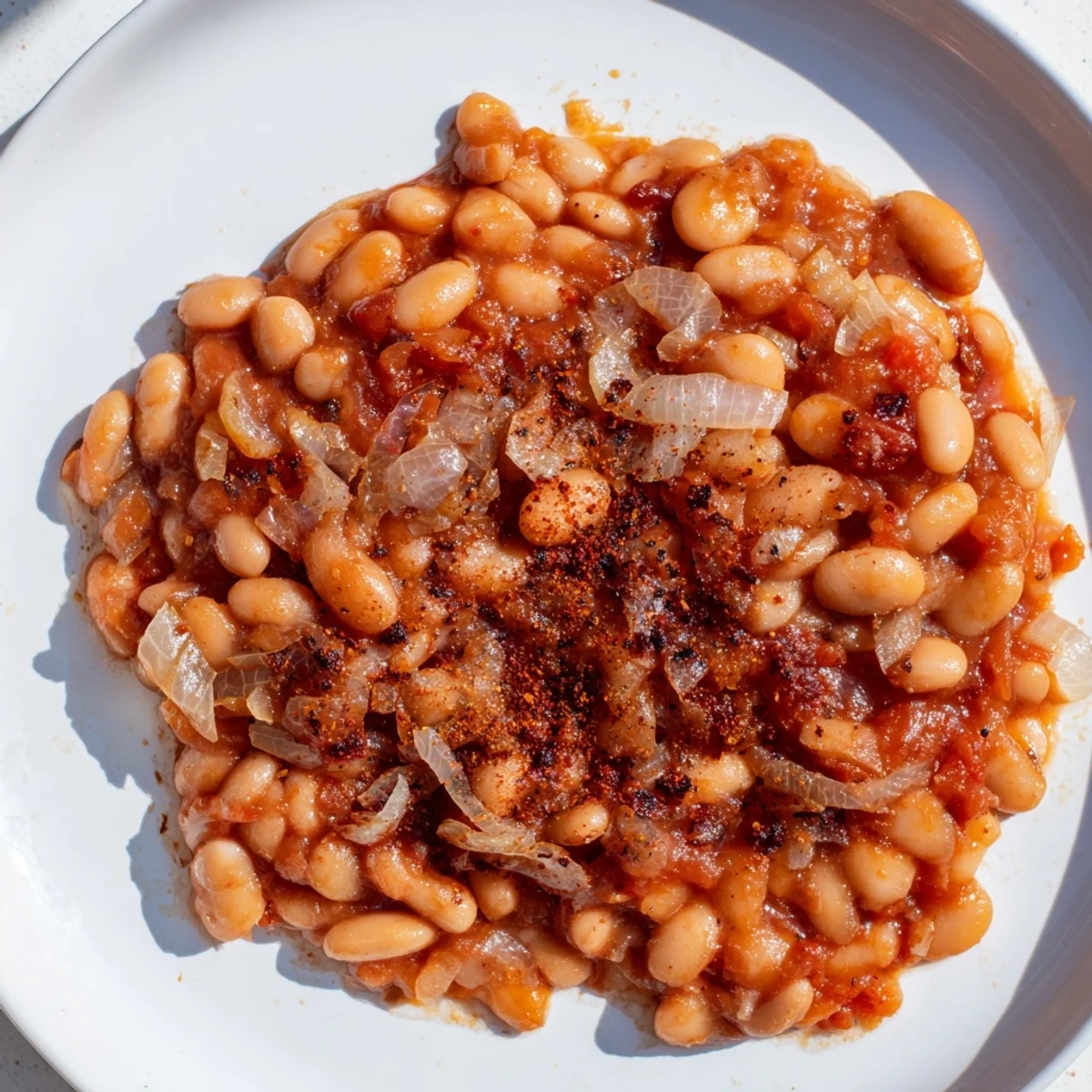
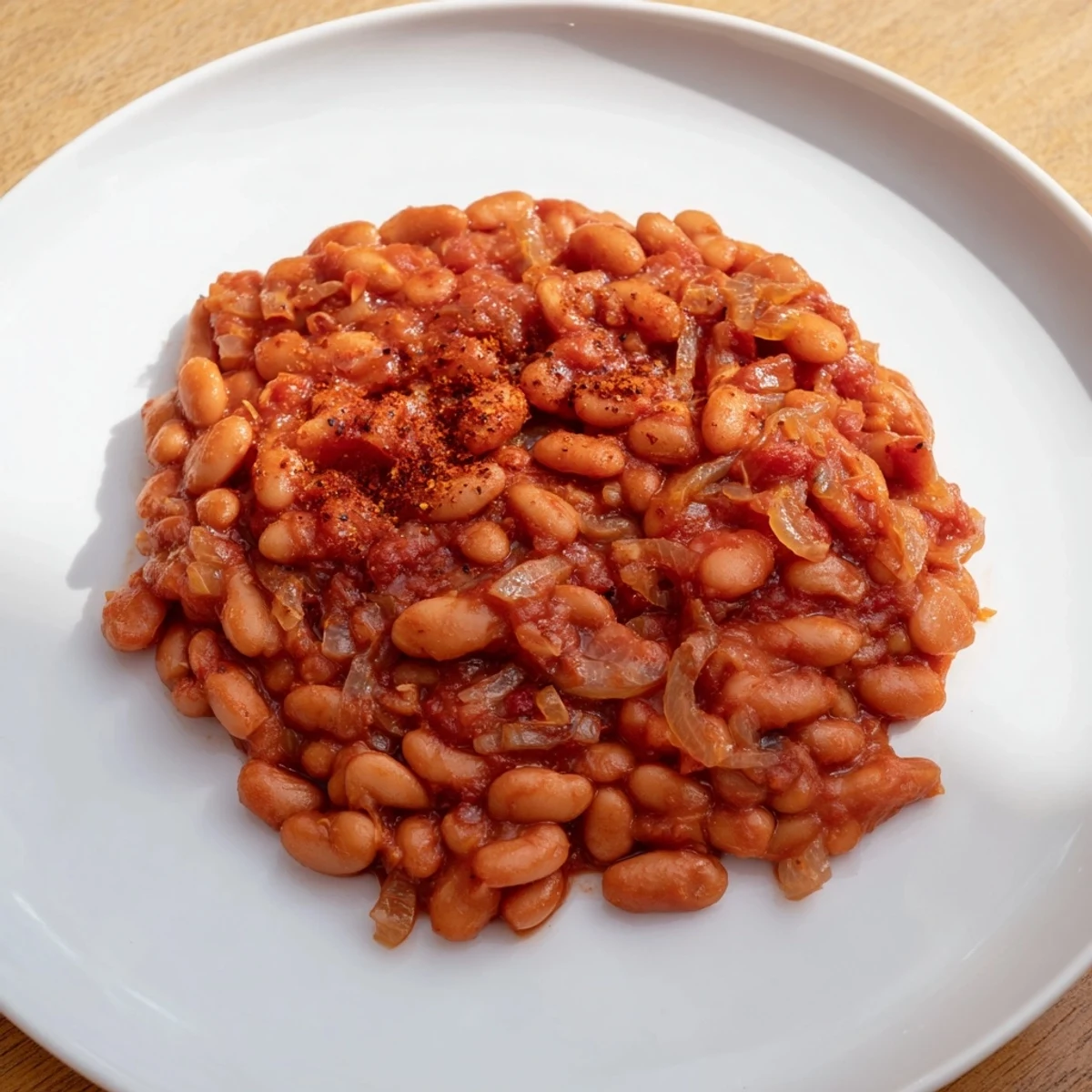
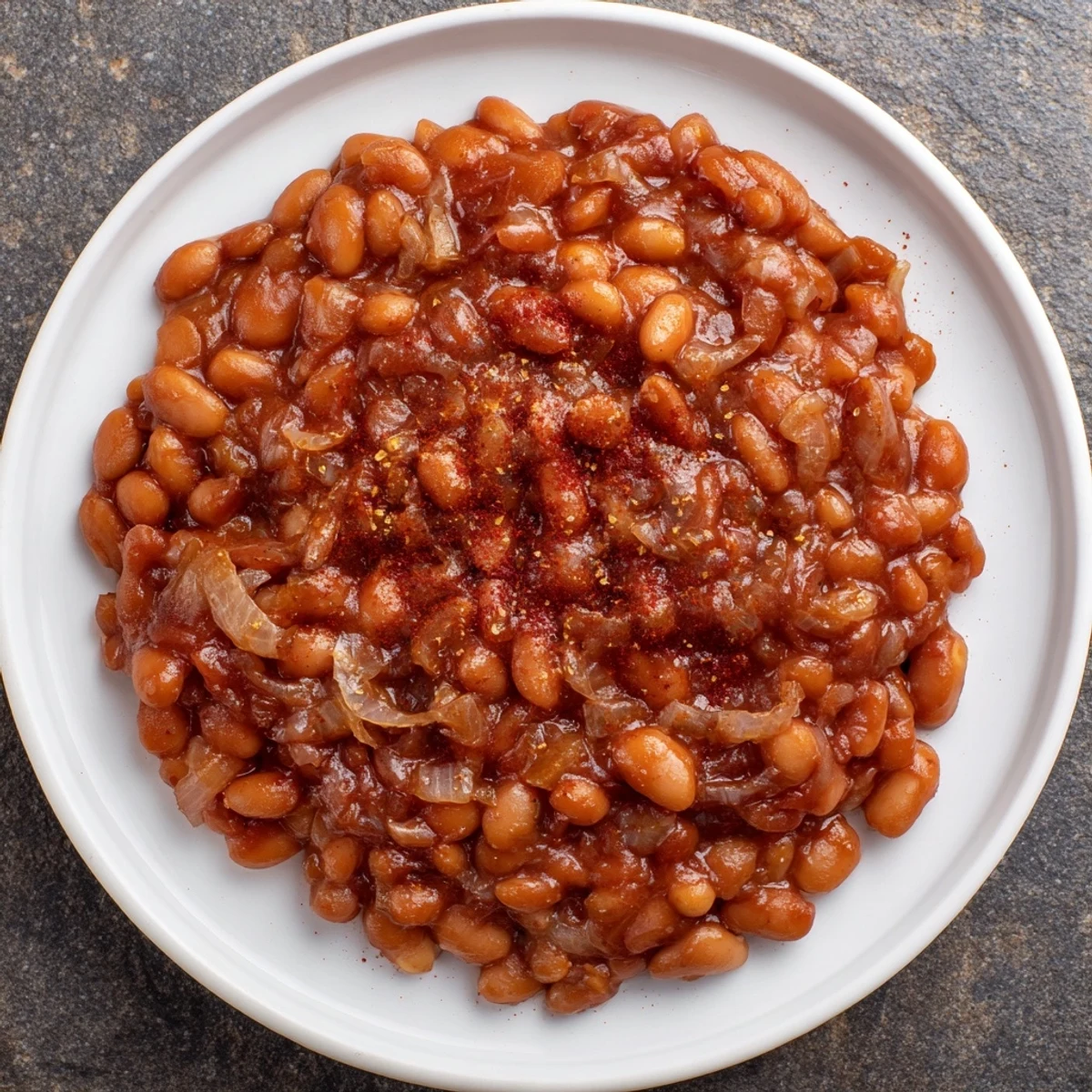
 This dish features navy beans simmered slowly in a rich tomato base infused with brown sugar, molasses, and smoked paprika. The beans absorb the deep, slightly sweet flavors, enhanced by onion, garlic, Dijon mustard, and a touch of vinegar. Baked gently to develop a thick, hearty sauce, this comforting dish suits a breakfast plate, pairs well with baked potatoes, or stands alone as a flavorful main. Variations include adding bacon or smoked sausage for extra depth. It keeps well refrigerated or frozen for convenient future meals.
My first baked beans came from a tin on my kitchen counter during a university flat-share, microwaved and served straight to a plate. Years later, I found myself standing in front of a proper Dutch oven, measuring out dried beans and brown sugar, wanting to know what the real thing tasted like. That first homemade batch—slow-roasted until the sauce turned glossy and mahogany-dark—made me understand why this dish has been a breakfast staple and dinner comfort across two continents for generations.
I made this for a dinner party once, nervous about serving something so humble to people expecting something fancier. One guest went back for thirds and asked for the recipe—they've been making it ever since. There's something about baked beans that doesn't pretend to be fancy, but somehow leaves people satisfied in a way restaurant food sometimes doesn't.
Ingredients
- Dried navy beans (500 g) or canned (3 x 400 g cans): Dried beans take longer but reward you with better texture and flavor absorption; if you're using canned, drain and rinse them well to reduce the starchy liquid.
- Olive oil (2 tbsp): This is your base for building flavor, so don't skip it or use a substitute that burns easily.
- Onion and garlic: These two are your flavor foundation—take time to let the onion soften properly before moving on.
- Canned chopped tomatoes (400 g): The acidity here balances the sweetness; don't use tomato sauce as it's too concentrated.
- Tomato paste (3 tbsp): This deepens the savory notes, but stir it in early so it caramelizes with the sugar.
- Dark brown sugar and molasses (3 tbsp each): These two work together to create complexity—the molasses adds that almost-bitter richness that makes people ask what the secret ingredient is.
- Dijon mustard (1 tbsp): A small amount adds brightness and cuts through the richness without making the beans taste mustardy.
- Apple cider vinegar (1 tbsp): This is your acidity balance; it keeps everything from tasting too sweet and heavy.
- Worcestershire sauce (1 tbsp): Use vegan if needed—it adds umami depth that ties everything together.
- Smoked paprika (1 tsp): This gives a subtle smokiness that makes people think there's bacon in here even when there isn't.
- Salt, pepper, and vegetable stock: Taste as you go with the salt; the stock keeps everything simmering gently without drying out.
Instructions
- Soak and prep your beans:
- If using dried beans, cover them with cold water the night before and let them sit. The next day, drain, rinse them well, then simmer them in fresh water for 45 to 60 minutes until they're just tender but not mushy. Canned beans skip this entirely—just drain and rinse them.
- Get your oven ready:
- Heat your oven to 160°C (320°F) so it's warm and waiting when you need it.
- Build your base:
- In a large ovenproof pot, warm the olive oil and add your chopped onion. Let it soften for 5 to 6 minutes until it's translucent, then add the minced garlic and cook for just 1 minute more—you want to smell that garlic without letting it brown.
- Create the sauce foundation:
- Stir in the tomato paste, brown sugar, and molasses, letting them cook together for about 2 minutes. You'll see the mixture darken and smell caramelized sweetness—this is where the magic starts.
- Bring it all together:
- Add the tomatoes, Dijon mustard, vinegar, Worcestershire sauce, smoked paprika, salt, pepper, and stock. Stir everything until it's combined and smooth, then taste the sauce at this point—you'll know it's right when it's tangy, slightly sweet, and savory all at once.
- Add the beans and head to the oven:
- Pour in your cooked beans and stir gently to coat them in sauce. Bring everything to a gentle simmer on the stovetop, then cover the pot and transfer it to the oven.
- Slow bake and stir:
- Bake for 1 hour, stirring once or twice halfway through. If you like a thicker, more concentrated sauce, remove the lid for the final 15 minutes—the beans will start to peek through a rich, glossy coating.
- Taste and serve:
- Pull the pot out, let it settle for a minute, then taste. Adjust salt or add a splash more vinegar if it needs brightness. Serve hot.
 Pin Recipe
 I served this to my partner on a lazy Sunday morning with buttered toast, and we didn't leave the table for hours. It was just beans and bread, but it felt like the kind of meal that doesn't need anything else.
From Dried or Canned—Which Route?
Dried beans take planning but reward you with firmer texture and better sauce absorption; they're also cheaper if you're feeding a crowd. Canned beans are honest about their convenience—15 minutes of prep instead of overnight soaking, and the results are still genuinely good. I use canned most weekdays and dried when I have time to think ahead. Both versions are legitimate, and there's no shame in choosing what works for your life.
Making This Your Own
This recipe is a foundation, not a rulebook. Some people add a splash of hot sauce or a pinch of cayenne if they want heat, others stir in cooked bacon or smoked sausage for richness. I've made it vegetarian countless times and never felt like something was missing. The sauce is flexible enough to absorb variations without losing what makes it work.
Serving and Storage
Baked beans shine with warm buttered toast, split onto a baked potato, or tucked into a full English breakfast alongside eggs and bacon. They're also unexpectedly good spooned over rice or polenta. Leftovers are a gift—they keep in the fridge for up to 4 days and taste sharper and even better after the flavors have had time to meld. You can freeze them for up to 3 months, and they thaw straight back into comfort.
- Let the beans cool slightly before storing to keep condensation from diluting the sauce.
- Freeze in portions so you can defrost exactly what you need.
- Reheat gently on the stove with a splash of water or stock if the sauce has thickened too much.
 Pin Recipe
 This is the kind of dish that teaches you something new each time you make it. There's comfort in that.
Recipe FAQs
- → Can I use canned beans instead of dried beans?
-
Yes, canned beans can be used to shorten preparation time. Just drain and rinse them before adding to the sauce.
- → How do I make this dish vegan?
-
Use vegan Worcestershire sauce and vegetable stock to keep the dish plant-based and flavorful.
- → What can I add for extra smoky flavor?
-
Adding smoked paprika and optionally smoked sausage or bacon during cooking deepens the smoky notes.
- → How thick should the sauce be?
-
Bake uncovered for the last 15 minutes to thicken the sauce to a rich, hearty consistency.
- → Can I prepare this ahead of time?
-
Yes, the beans can be cooked in advance and refrigerated for up to 4 days or frozen up to 3 months.
- → What sides complement this dish well?
-
Serve alongside toast, baked potatoes, or as part of a breakfast spread for a balanced meal.
