
 Pin Recipe
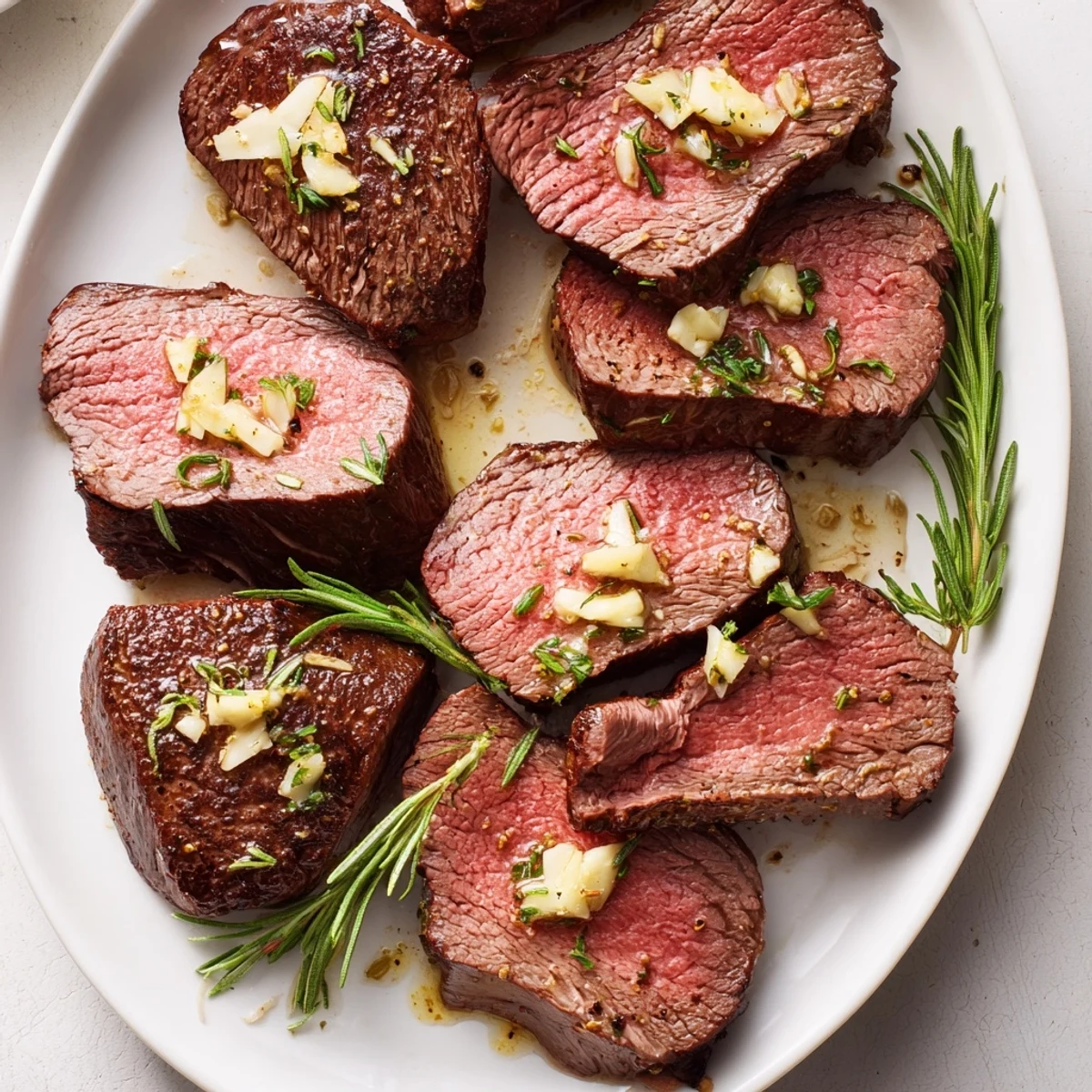
 This dish features a prime beef fillet, seared on all sides in olive oil then roasted to your desired doneness. Enhanced with garlic, rosemary, and butter, it offers rich flavors and tender texture. Resting after cooking ensures juiciness is retained. Serve alongside roasted vegetables or mashed potatoes for an elegant meal.
The first time I truly understood what a perfect beef fillet could be was at a dinner party where I'd somehow convinced myself that searing it properly was the secret—turns out, it was just the beginning. That night, watching a friend close her eyes after the first bite and simply smile without saying anything told me everything I needed to know about this dish. Now, whenever I cook beef fillet, I chase that same quiet moment, that perfect intersection of crust and tenderness that makes everything else fade away.
I learned the resting step the hard way—sliced into a perfectly cooked fillet before it had time to relax, and watched all those beautiful juices run across the board instead of staying where they belonged. Ten minutes seems like nothing until you're standing there, hungry and impatient, but that patience is what separates a good steak from one that melts on your tongue. Now I set a timer and use those minutes to finish a sauce or pour wine, and somehow the meal feels more complete.
Ingredients
- Beef fillet, center-cut (800g), trimmed: Center-cut means consistent thickness, which is everything when you're cooking by time rather than instinct—it ensures even doneness from edge to edge.
- Olive oil (2 tbsp): Use something you actually like the taste of; this isn't the place to hide behind cheap oil since it becomes part of the crust.
- Sea salt (1½ tsp) and freshly ground black pepper (1 tsp): Season generously—beef is forgiving and actually needs this salt to shine, not shrink back.
- Fresh rosemary (2 sprigs, optional): If you use it, crush it between your palms first to wake up the oils; dried works too in a pinch.
- Unsalted butter (2 tbsp) and garlic cloves (2, crushed): These transform the pan into a basting station, building flavor in the final moments before the oven takes over.
- Fresh parsley (1 tbsp, chopped, optional): A simple garnish that adds color and a whisper of freshness against the richness.
Instructions
- Bring the beef to room temperature:
- Pull the fillet from the fridge 30 minutes ahead—this is non-negotiable if you want even cooking. A cold center and overdone edges is how good beef becomes a lesson in patience.
- Preheat and prep:
- Get your oven to 200°C and pat the beef completely dry with paper towels. Dryness means browning, browning means flavor.
- Season and sear:
- Rub the fillet with olive oil, then season all over with salt and pepper like you mean it. Heat your skillet over high heat until it's almost smoking, then lay the beef in with confidence—let it sit for 2-3 minutes per side without moving it around, resisting the urge to fiddle.
- Build the aromatics:
- Once all sides have a golden-brown crust, add the rosemary, butter, and crushed garlic to the pan. Tilt the skillet and spoon that foaming butter over the fillet repeatedly—this is the moment that smells like restaurant kitchen.
- Transfer to oven:
- The whole skillet goes in now, and the oven's gentle heat finishes what the stovetop started. Roast for 12-15 minutes, using a meat thermometer to check: 52°C for medium-rare, which is where beef fillet truly lives.
- Rest and slice:
- Remove the fillet to a cutting board, tent it loosely with foil, and step away for 10 full minutes. This resting period lets the fibers relax and the juices redistribute—slice too early and they escape instead of staying inside where they belong.
- Finish and serve:
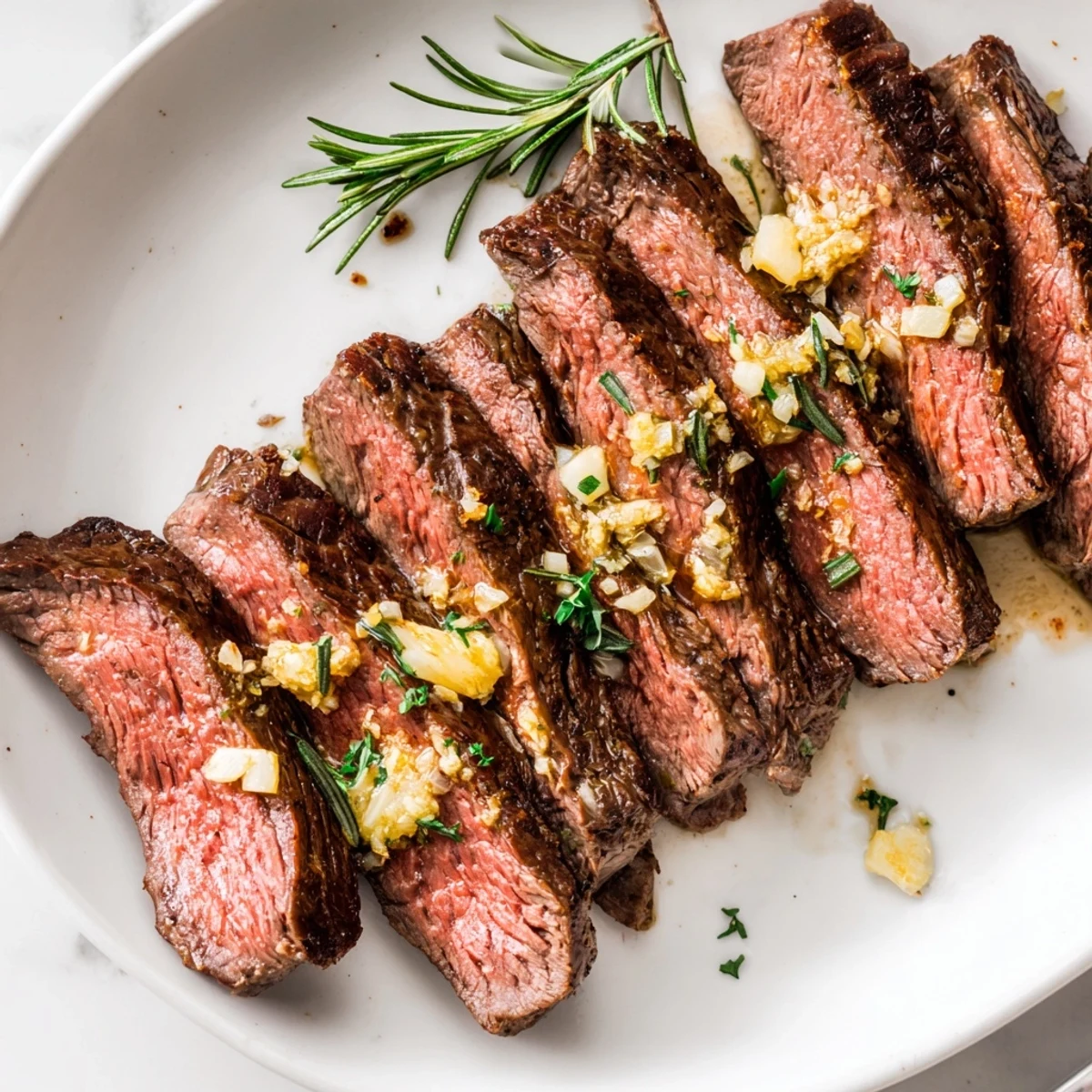
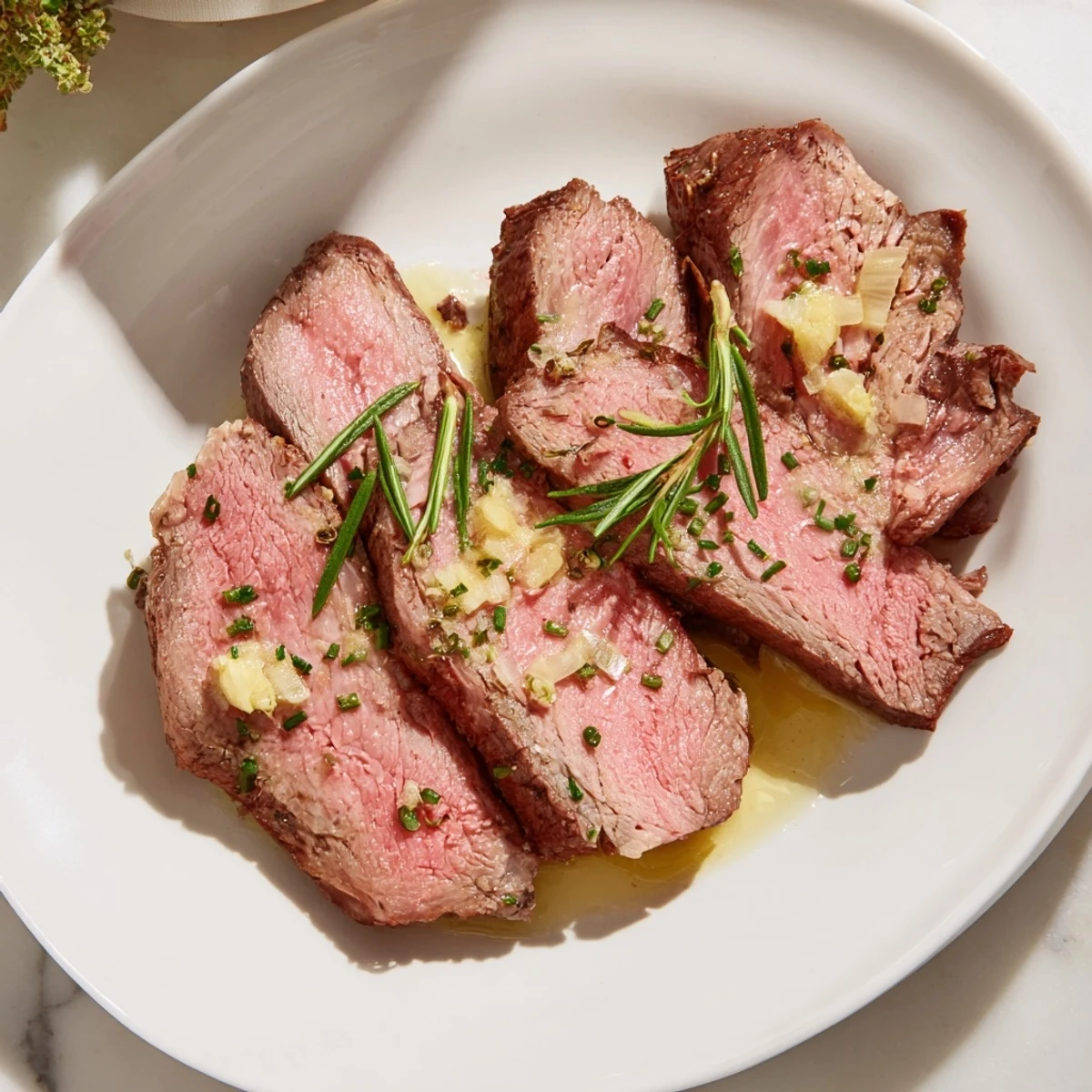
- Slice against the grain into thick pieces, scatter parsley over the top, and serve while it's still warm from the pan.
 Pin Recipe
 The first time someone asked me for the recipe, they didn't ask for measurements or temperatures—they just wanted to know how it tasted like it had been cooked with care. That's when I realized beef fillet isn't really about technique, it's about attention: the choice to use good butter, the decision to let it rest, the willingness to sear it properly instead of rushing. Every element is a small act of intention.
Choosing the Right Cut
Beef fillet is naturally lean, which is why it's so tender but also why it needs careful handling—it lacks the fat marbling that forgives mistakes. Center-cut is your best friend here because it's the most consistent thickness, meaning no thin edges that dry out while the center catches up. When you're at the butcher, ask them to trim it for you and cut from the middle section; they'll know exactly what you mean.
The Sear as Foundation
Everything depends on that initial sear—it's where you build the flavor foundation that butter and garlic will build upon. The sound matters: you want an aggressive sizzle that tells you the heat is right, not a timid whisper. Let each side sit undisturbed for those 2-3 minutes; the urge to move it around is the enemy of browning, and browning is everything.
Serving and Pairings
Beef fillet is elegant enough to need nothing but itself, though it loves roasted vegetables, creamy mashed potatoes, or a simple red wine sauce. A fresh green salad cuts through the richness beautifully, and a good Cabernet or Merlot alongside makes the whole meal feel like an occasion.
- Roast some asparagus or carrots in the same oven while the beef cooks—same heat, same timing, minimal extra work.
- Make a quick pan sauce by deglazing the skillet with red wine after you've removed the beef, whisking in a touch more butter to smooth it out.
- Slice generously and serve on warm plates; beef fillet deserves space on the plate and attention from the person eating it.
 Pin Recipe
 Cooking a perfect beef fillet is less about following steps and more about showing up fully for the meal—listening to the sizzle, respecting the rest, and trusting that simple ingredients cooked with intention will always speak for themselves. Every time you make this, you're building a small tradition.
Recipe FAQs
- → How do I ensure the beef fillet is tender?
-
Bringing the beef to room temperature before cooking and allowing it to rest after roasting help retain juices and tenderness.
- → What is the ideal cooking temperature for medium-rare?
-
Use a meat thermometer to reach 52°C (125°F) for medium-rare doneness, ensuring a juicy interior.
- → Can I add herbs for extra flavor?
-
Yes, adding fresh rosemary during searing and optional marinating beforehand elevates the flavor profile.
- → What sides pair well with the beef fillet?
-
Roasted vegetables, mashed potatoes, or a classic red wine sauce complement the rich flavors beautifully.
- → Is it necessary to use a meat thermometer?
-
While not mandatory, a meat thermometer ensures precise doneness, avoiding overcooking or undercooking.
