
 Pin Recipe
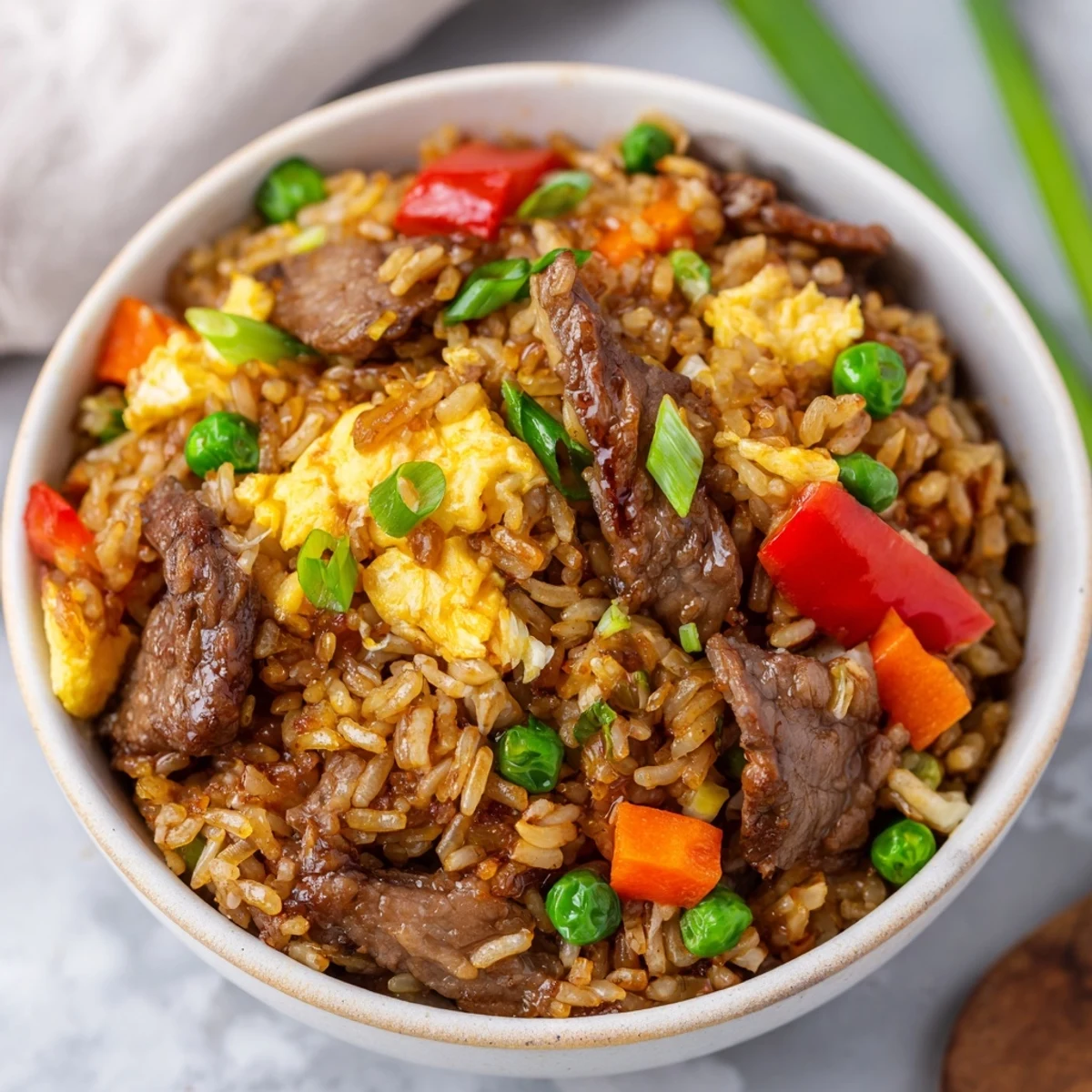
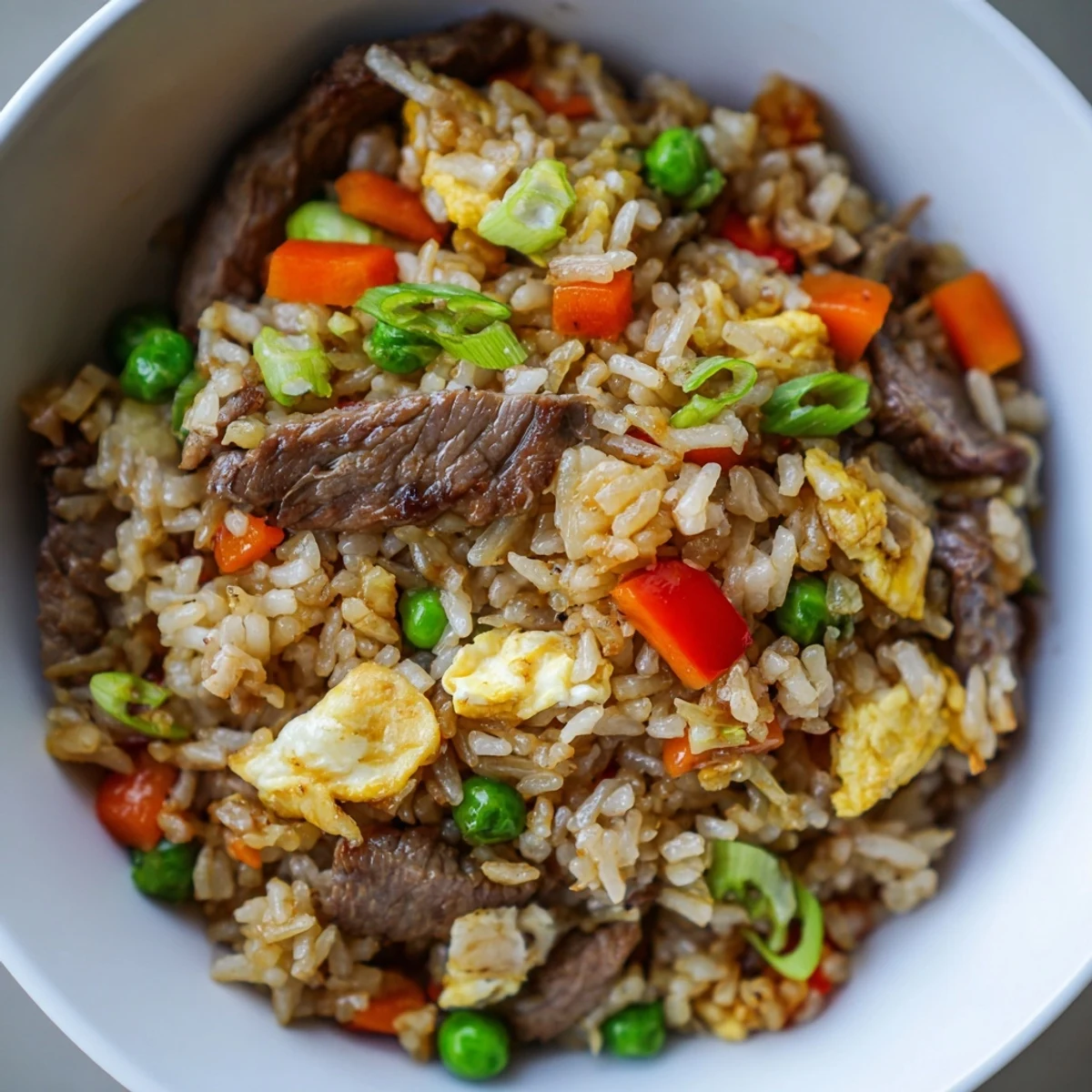
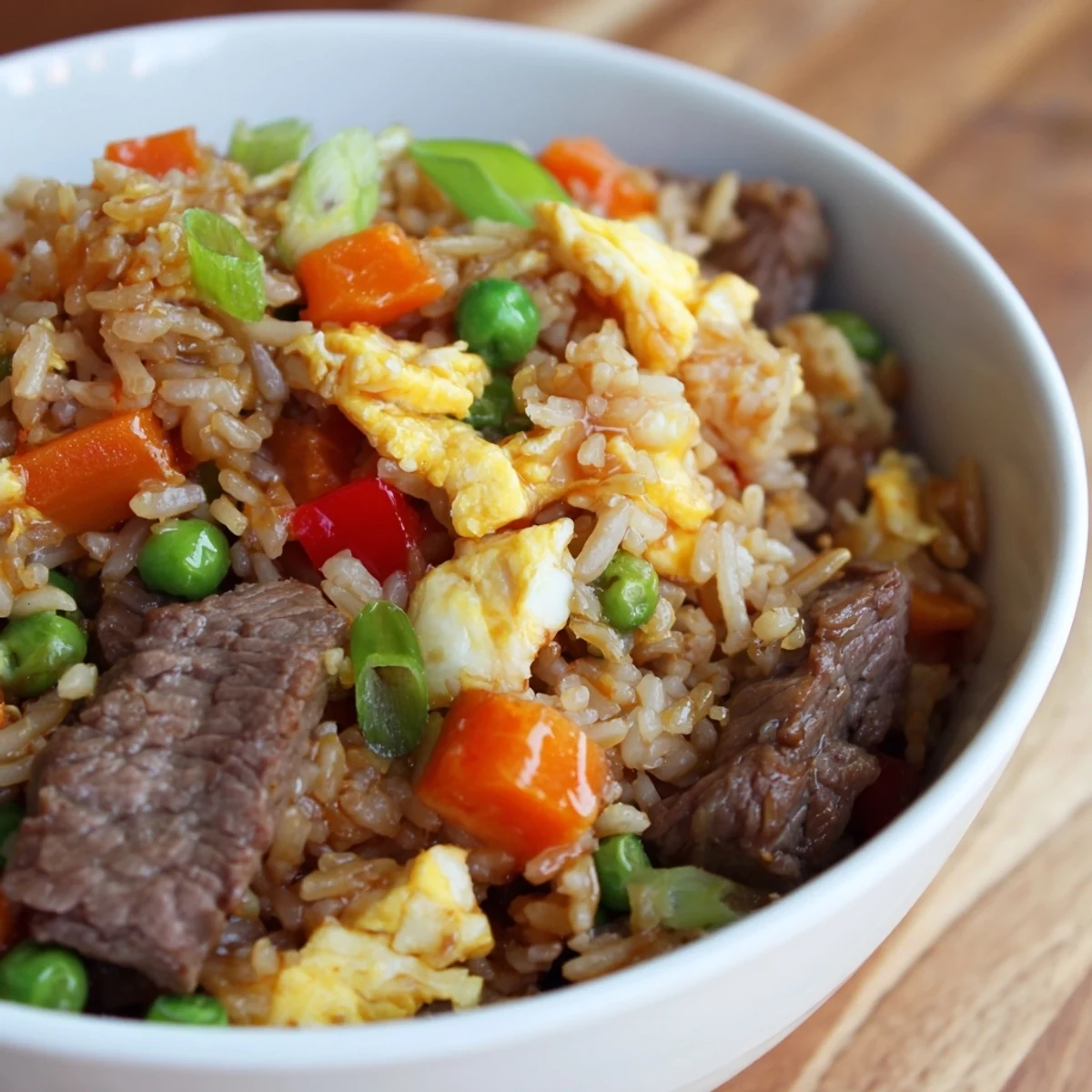
 This dish combines tender slices of beef with colorful vegetables and fluffy eggs, stir-fried together with fragrant jasmine rice. Marinating the beef enhances flavor and tenderness while cooking over high heat maintains a delightful texture. The medley of carrots, peas, bell peppers, and spring onions adds freshness and crunch, complemented by a balanced blend of soy, oyster, and optional fish sauce for depth. Perfect for a fast, hearty meal with a harmonious balance of protein, vegetables, and grains.
There's a particular rhythm to fried rice that I discovered late one Thursday night when I had leftover rice and a craving for something that didn't require much thinking. I threw together whatever vegetables were lingering in the crisper, added some beef I'd sliced thin, and suddenly my kitchen smelled like a restaurant kitchen in the best way. That moment taught me that the best meals often come from working with what you have on hand rather than following a strict plan.
I made this for friends who showed up unannounced on a Saturday, and watching their faces when I plated it was worth every second of chopping. Someone asked if it was from the restaurant down the street, and I realized right then that home-cooked food has this power that takeout never quite captures, maybe because someone actually cared about how it turned out.
Ingredients
- Flank steak or sirloin, thinly sliced (250 g): Slicing against the grain keeps the beef tender, and doing this while the meat is slightly chilled makes it so much easier.
- Soy sauce for marinade (1 tbsp) and sauce (2 tbsp): The first amount seasons the beef directly, while the second adds depth to the whole dish without overpowering it.
- Cornstarch (1 tsp): This tiny amount creates a silky coating on the beef that catches the heat just right.
- Sesame oil (1/2 tsp): A little goes a long way, and this is where a lot of the aromatic magic happens.
- Carrot, diced (1 medium): The sweetness balances the savory elements, and it holds its texture better than softer vegetables during the quick stir-fry.
- Frozen peas (1/2 cup): Don't thaw them first; they cook perfectly in the wok and add pops of brightness.
- Red bell pepper, diced (1/2): This brings both color and a slight sweetness that ties everything together.
- Spring onions, sliced (3), white and green parts separated: The white parts go in early for fragrance, while the green parts finish the dish and add a fresh bite.
- Garlic, minced (2 cloves): Mince it fine so it releases its flavor quickly and doesn't end up with burnt bits.
- Jasmine or long-grain rice, cooked and cold (3 cups): Cold rice is non-negotiable here; day-old is even better because the grains have dried out slightly and won't clump.
- Large eggs (2): These scramble into soft ribbons that distribute throughout the rice, adding richness and protein.
- Oyster sauce (1 tbsp): This adds an umami depth that soy sauce alone can't quite achieve.
- Fish sauce, optional (1 tsp): If you're using it, this is the secret ingredient that makes people wonder what makes it taste so restaurant-quality.
- White pepper (1/4 tsp): It has a slightly different heat profile than black pepper and won't leave visible specks.
- Neutral oil (2 tbsp total): High heat cooking needs an oil with a high smoke point, so canola or sunflower works better than olive oil here.
Instructions
- Marinate the beef:
- Combine your sliced beef with a tablespoon of soy sauce, the cornstarch, and sesame oil in a bowl, stirring until the beef is evenly coated. This takes just a minute, but it makes such a difference in how tender the beef becomes.
- Prepare the eggs:
- Crack your eggs into a separate bowl and beat them lightly with a pinch of salt until they're pale and just starting to foam. Having them ready before the wok gets hot means you won't scramble to catch up when it's time to add them.
- Sear the beef:
- Heat a tablespoon of oil in your wok or skillet over high heat until it shimmers, then add the beef in a single layer. Let it sit for about a minute before stirring, which lets it develop a nice color on the edges. After about 2 minutes total, it'll be mostly cooked but still tender, so remove it to a plate.
- Build the aromatics:
- Add another tablespoon of oil to the wok, then immediately add your minced garlic and the white parts of the spring onions. Within 30 seconds your kitchen will smell incredible, and that's when you know you're on the right track.
- Cook the vegetables:
- Add the carrot, peas, and bell pepper, stirring constantly for 2 to 3 minutes until they're tender but still have a bit of bite. You want to hear them sizzling the whole time, which means the heat is doing its job.
- Scramble the eggs:
- Push the vegetables to the side of the wok, pour in your beaten eggs, and let them sit for a few seconds before scrambling them gently. Once they start to set, mix them back in with the vegetables until everything is combined.
- Add the rice:
- Pour in your cold rice, breaking up any clumps with your spatula or spoon as you go. Stir constantly for about 2 minutes until the rice is heated through and coated with oil, which prevents it from feeling heavy or congested.
- Bring it together:
- Return the beef to the wok and add your remaining soy sauce, the oyster sauce, fish sauce if you're using it, and white pepper. Toss everything for another 2 to 3 minutes until it's all hot and the flavors have had a moment to get acquainted.
- Finish and taste:
- Turn off the heat and stir in the green parts of the spring onions, which adds a fresh note right at the end. Taste a bite and adjust the salt if needed, because sometimes you need just a tiny bit more.
 Pin Recipe
 What strikes me most about this dish is how it transformed my relationship with leftovers. Before, I saw yesterday's rice as something to tolerate, but now I actually find myself cooking extra rice on purpose, knowing it'll make the perfect fried rice later. That shift in perspective turned what could have been waste into something I genuinely look forward to making.
The Secret of High Heat
Fried rice demands high heat, which was something I learned by doing it wrong first. When you cook at a medium heat, the rice steams instead of fries, and everything gets soggy instead of staying distinct and separate. The moment I cranked the heat up high and started hearing that aggressive sizzle, everything clicked into place. Your wok should be almost smoking before the first ingredient hits it, and you should be able to hear the food moving around inside.
Why Beef Works Here
Beef brings a richness to fried rice that lighter proteins can't quite match, especially when you marinate it first. The marinade does double duty: it flavors the beef directly while the cornstarch creates that silky texture that feels almost luxurious mixed through the rice. You could absolutely swap in chicken, shrimp, or tofu if that's what you have, but beef somehow makes this feel like a restaurant dish rather than something assembled from pantry staples.
Vegetables and Timing
The timing of when you add each ingredient completely changes the texture, and I learned this through a few experiments that didn't turn out as planned. Harder vegetables like carrots need to go in first so they have time to soften, while delicate ones like peas and the green parts of spring onions should be added late so they stay bright and fresh. This isn't about being fussy; it's about respecting what each ingredient needs to become its best version.
- If you're adding extra vegetables like broccoli or corn, think about their density and add them accordingly.
- Spring onions are almost two different vegetables depending on when you add them, so don't miss the chance to use both parts.
- Keep tasting as you cook because what feels like too little seasoning at the stove can taste just right once it's plated and sitting in front of you.
 Pin Recipe
 Making fried rice has somehow become a test of presence for me, a moment where I'm not thinking about what comes next but just listening to the sounds coming from the wok. That's when the best versions happen, when I'm fully there instead of rushing through it.
Recipe FAQs
- → What type of beef works best?
-
Thinly sliced flank steak or sirloin is ideal for quick stir-frying and tender results.
- → Can I use different vegetables?
-
Yes, vegetables like broccoli, sweetcorn, or mushrooms can be added or substituted to your preference.
- → How to prevent rice clumping?
-
Use cold, day-old jasmine or long-grain rice and separate grains before stir-frying to avoid clumps.
- → Is fish sauce necessary?
-
Fish sauce adds depth but can be omitted or replaced with a vegan alternative if needed.
- → What cooking oil is best?
-
Neutral oils like canola, sunflower, or vegetable oil work well for high-heat stir-frying.
