
 Pin Recipe
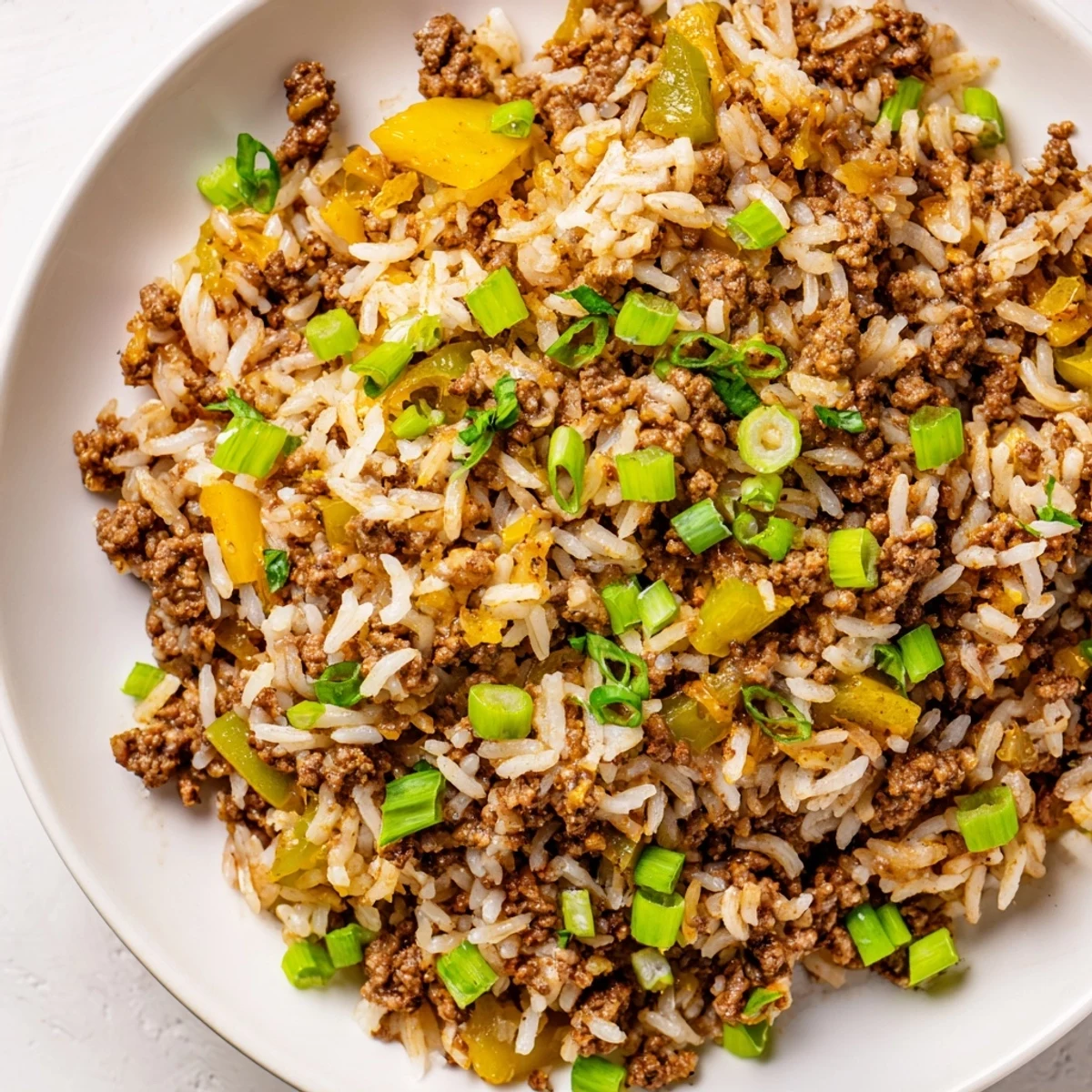
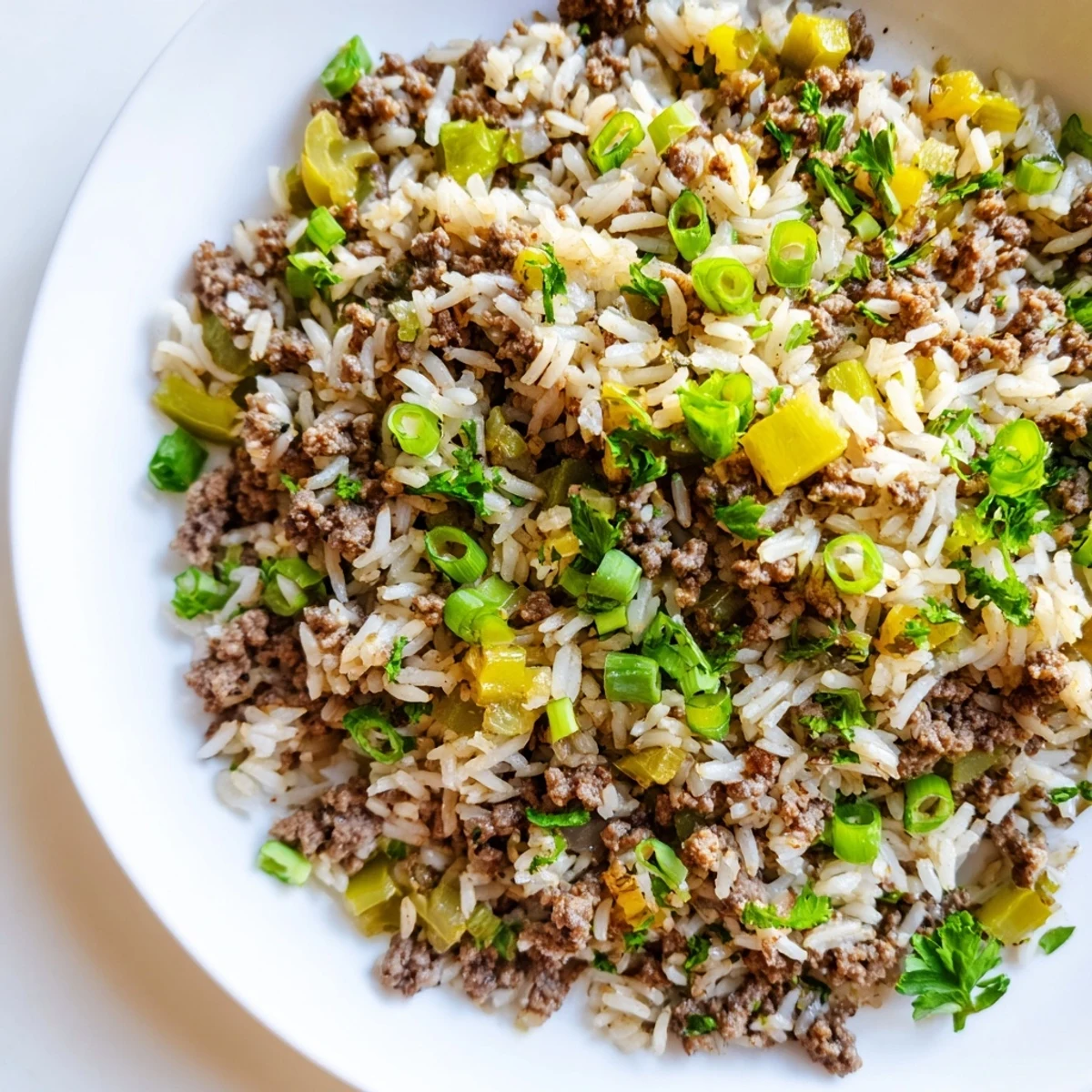
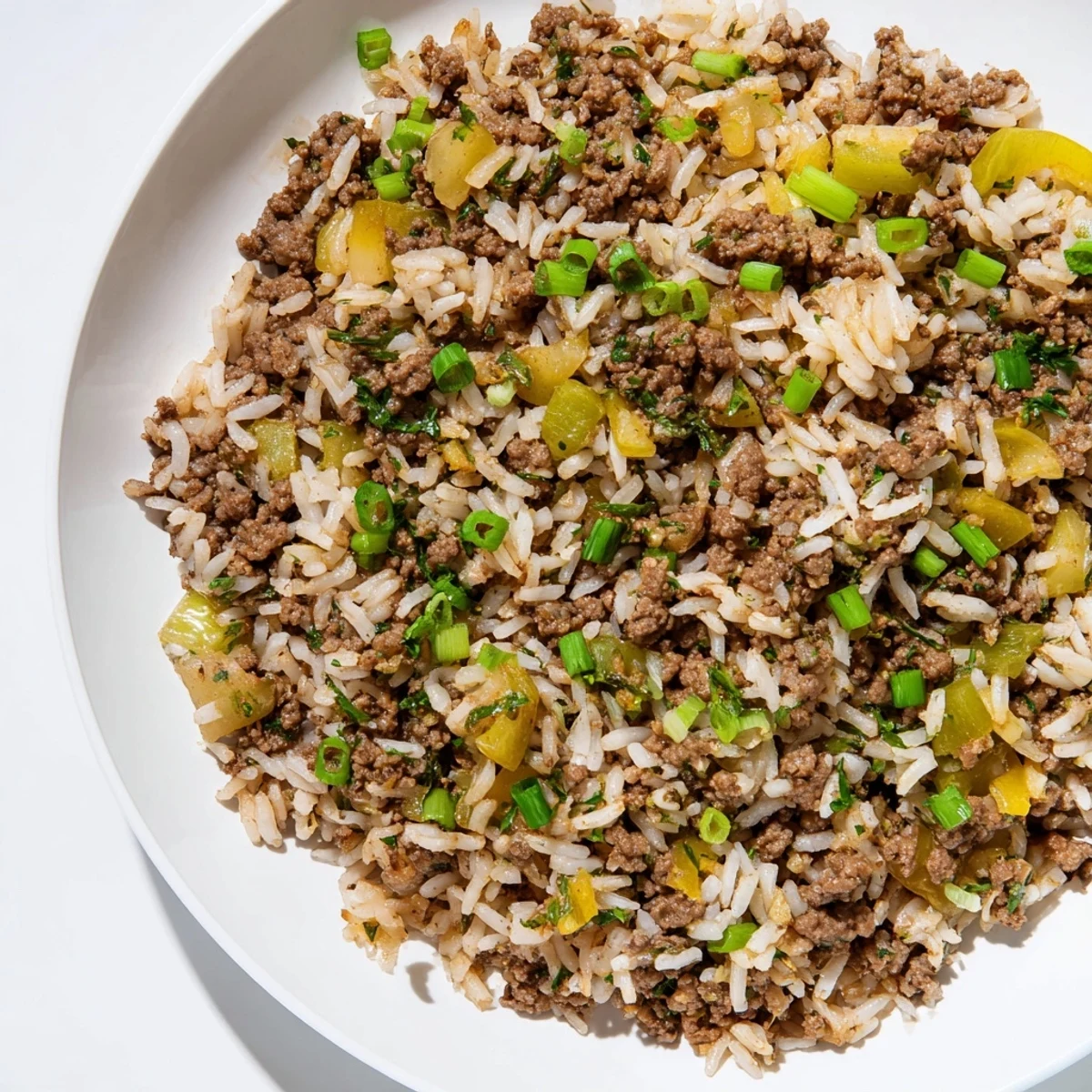
 Cajun dirty rice is a traditional Louisiana dish that marries seasoned ground beef with aromatic vegetables—onion, bell pepper, celery, and garlic—in a single-pot preparation. The rice absorbs rich Cajun spices including paprika, thyme, and cayenne, creating a deeply flavorful, hearty main course. This dairy-free meal comes together in just 45 minutes, serving four with minimal cleanup. Optional chicken livers add authentic depth, while easy substitutions with turkey or pork accommodate different preferences. Perfect for weeknight dinners or casual entertaining.
The aroma of Cajun Dirty Rice takes me right back to my neighbor Elaine's kitchen in Baton Rouge, where she taught me this recipe during a summer thunderstorm. The power had gone out, but she insisted we continue by candlelight, the smell of spices and browning meat filling the dim room. I remember how the sounds of rain against the windows provided a soothing backdrop as she explained that dirty rice gets its name and characteristic color from the meat and vegetables cooked into it.
Last Mardi Gras, I made this dirty rice for friends who had never experienced Cajun cuisine before. I watched their expressions shift from curiosity to delight as they took their first bites, the conversation gradually fading into appreciative murmurs. My friend Mark, usually picky about trying new foods, asked for the recipe before hed even finished his plate, which I considered the highest compliment.
Ingredients
- Ground Beef (80/20): The fat content here is crucial for authentic flavor, as I learned when I once tried to make this with extra lean beef and missed that rich, satisfying mouthfeel.
- Chicken Livers: These give dirty rice its traditional depth and earthiness, though I kept them optional after discovering my sister-in-law would only eat the dish without them.
- Holy Trinity (Onion, Bell Pepper, Celery): This Cajun mirepoix forms the aromatic foundation of the dish, and I found that taking time to dice them finely leads to better texture in the finished rice.
- Cajun Seasoning: After experimenting with various brands, I prefer making my own mixture to control the salt level and heat intensity based on who Im feeding.
- Long Grain Rice: Rinsing removes excess starch and prevents the dish from becoming gummy, a lesson I learned the hard way at my first dinner party.
Instructions
- Brown the meat:
- Heat vegetable oil in a Dutch oven until it shimmers, then add ground beef and chicken livers if using. Listen for that satisfying sizzle as the meat hits the hot surface, breaking it up with a wooden spoon until evenly browned.
- Add the holy trinity:
- Toss in the diced onion, bell pepper, and celery, watching as they begin to soften and release their aromatic magic. The kitchen will fill with that unmistakable Louisiana fragrance that always makes my mouth water.
- Season with intention:
- Sprinkle in the spices, giving them a moment to toast and bloom in the hot pan. Youll know theyre ready when the fragrance rises up and practically dances around you.
- Rice incorporation:
- Add the rinsed rice, stirring until each grain is glistening with spices and fat. This coating process creates the foundation for flavor in every bite.
- Simmer to perfection:
- Pour in the chicken broth and bring to a gentle bubble before reducing heat. This is when patience becomes your best ingredient, allowing the rice to slowly absorb all those complex flavors.
- Rest and finish:
- After cooking, let the pot rest covered for those crucial 5 minutes that allow the moisture to distribute evenly. Then fluff with a fork, scatter green onions throughout, and crown with fresh parsley.
 Pin Recipe
 My colleague John, who grew up in New Orleans, visited for dinner last winter and grew quiet after his first bite of my dirty rice. For a moment I feared Id butchered his hometown dish, until he looked up with misty eyes and said, This tastes exactly like my grandmothers. In that moment, this simple rice dish became more than food, it was a connection across time and place, a memory preserved in flavor.
Customizing Your Dirty Rice
Over the years, Ive discovered dirty rice welcomes adaptation without losing its soul. When cooking for my vegetarian niece, I substitute finely chopped mushrooms and walnuts for the meat, creating a surprisingly satisfying earthiness. For spice lovers in my family, I double the cayenne and add a diced jalapeño with seeds, while for others, I focus more on the smoky paprika notes. The recipe evolves with each gathering but maintains that distinctive Cajun character at its core.
Serving Suggestions
While dirty rice traditionally serves as a side dish in Louisiana, Ive found it makes a perfectly satisfying main when portioned generously and paired with simple accompaniments. A crisp green salad dressed with lemon and olive oil provides welcome brightness against the rich rice. On warm evenings, I serve it alongside ice-cold pickle spears, their vinegary crunch cutting through the savory depth. For special occasions, I prepare buttery cornbread to soak up every flavorful morsel on the plate.
Storage and Reheating
The beauty of dirty rice reveals itself even more on day two, when the flavors have had time to meld and deepen. I accidentally discovered this after making too much for a Sunday dinner and enjoying the leftovers for lunch throughout the week.
- Store any leftovers in an airtight container in the refrigerator for up to four days, where the flavors continue to develop beautifully.
- When reheating, add a tablespoon of water or broth per cup of rice to restore moisture, then cover loosely and microwave in 30-second intervals.
- For the best texture when reheating larger portions, place in a covered skillet over low heat with a splash of broth, stirring occasionally until warmed through.
 Pin Recipe
 This dirty rice has become more than just a recipe in my collection, its a conversation starter, a comfort on cold nights, and a connection to a culture I deeply respect. I hope it brings as much joy to your table as it has to mine.
Recipe FAQs
- → Can I prepare Cajun dirty rice ahead of time?
-
Yes, you can cook this dish up to 2 days in advance and refrigerate in an airtight container. Reheat gently on the stovetop with a splash of broth, adding moisture as needed. The flavors actually deepen when allowed to rest overnight.
- → What's the difference between dirty rice and regular rice dishes?
-
Dirty rice gets its name from the spiced meat and finely diced vegetables that distribute throughout, giving the rice a darker, flecked appearance. Unlike pilaf, dirty rice uses the traditional Cajun holy trinity of onion, bell pepper, and celery as its aromatic base, creating a distinctly Louisiana flavor profile.
- → How do I adjust the spice level?
-
Cayenne pepper provides the heat in this dish. Start with the optional 1/2 teaspoon and add more gradually to taste. Alternatively, reduce Cajun seasoning slightly for a milder version, or increase paprika for smokiness without extra heat.
- → Why is rinsing the rice important?
-
Rinsing removes excess starch from the rice grains, preventing them from becoming sticky or clumpy. This ensures each grain remains separate and fluffy after cooking, allowing the spices to coat evenly and the dish to have the ideal texture.
- → What are good side dishes to serve with dirty rice?
-
Serve alongside cornbread, coleslaw, or steamed collard greens for a complete Southern meal. A crisp lager or iced tea complements the bold flavors beautifully, while a simple green salad provides lightness to balance the rich, spiced components.
- → Can I use brown rice instead of white rice?
-
Brown rice works but requires longer cooking time—approximately 40-45 minutes instead of 18-20 minutes. You may also need to increase the broth slightly. The earthier flavor complements the Cajun spices, though the texture will be slightly firmer than traditional versions.
