
 Pin Recipe
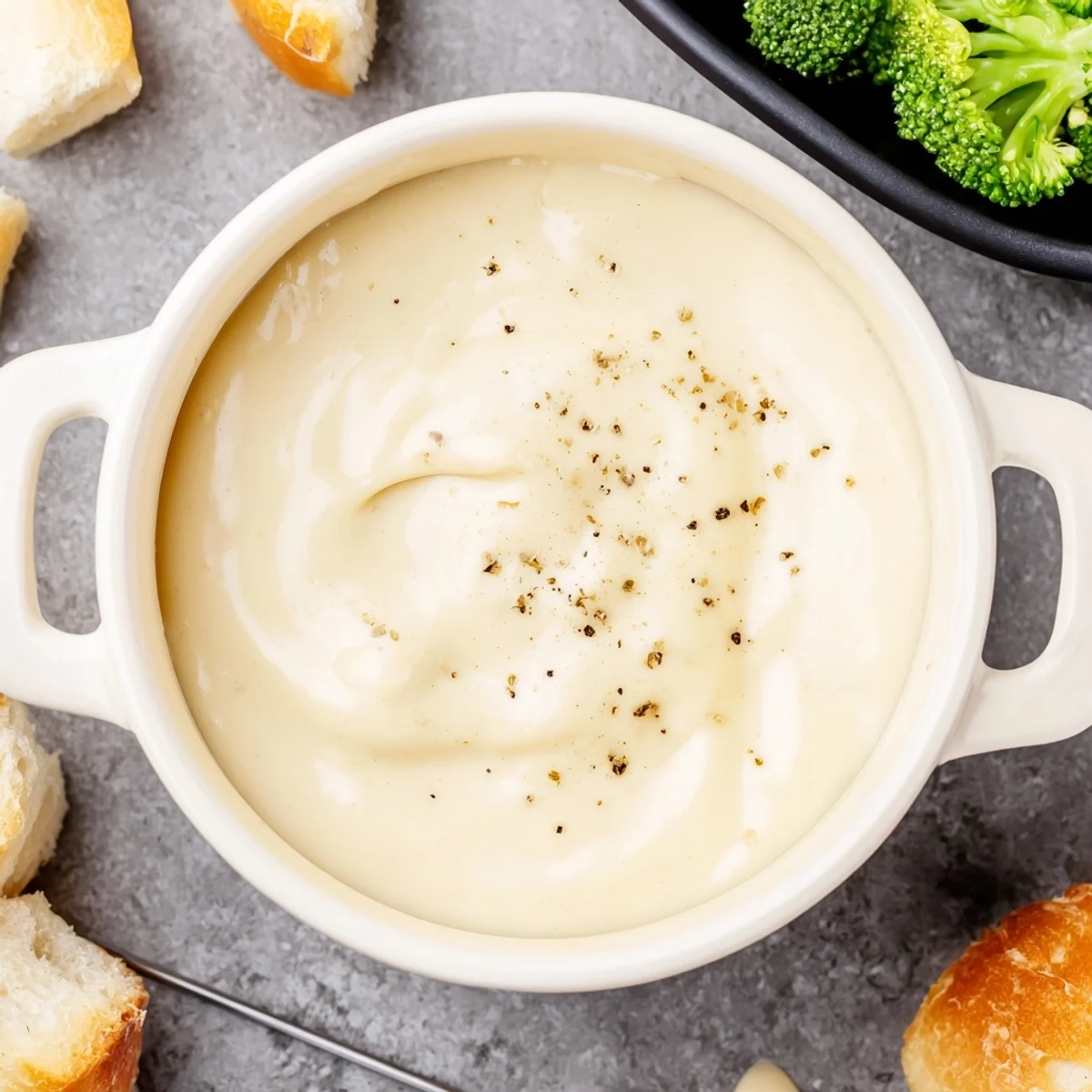
 This classic Swiss dish combines a trio of melted cheeses with fragrant garlic and a splash of dry white wine, creating a luscious and creamy base. Blended with cornstarch and optional kirsch, it thickens to a velvety texture perfect for dipping crusty bread cubes and fresh vegetables. Ideal for cozy gatherings, this fondue delivers warmth and rich flavors with every dip.
Careful preparation includes rubbing the pot with garlic, gradual melting of cheeses over gentle heat, and seasoning with nutmeg and black pepper to balance the richness. Serve immediately from a tabletop burner for an inviting communal experience.
I still remember the first time I experienced authentic cheese fondue in a tiny Swiss chalet on a snowy evening. The pot arrived at our table bubbling gently, filled with this luxurious blend of melted cheese that seemed to glow in the candlelight. My host handed me a fondue fork and said simply, "Just dip, swirl, and enjoy." That night taught me that fondue isn't really about the cheese—it's about the ritual, the laughter, and the way strangers become friends when they're gathered around something warm and golden. Years later, I recreated that magic in my own kitchen, and now I understand why Swiss families have been perfecting this dish for generations.
I hosted a fondue dinner last winter for friends I hadn't seen in months, and within minutes, the conversation shifted from catching up to debates about whether bread or broccoli was the superior vehicle for cheese. One friend dipped so enthusiastically that she nearly lost her bread cube in the pot, and we all laughed until we couldn't breathe. By the end of the evening, the pot was nearly empty, and nobody wanted to leave. That's the magic of fondue—it transforms an ordinary Tuesday night into something memorable.
Ingredients
- Gruyère cheese, 200 g grated: The backbone of authentic Swiss fondue, with a nutty depth that builds as it melts. I learned to grate it fresh rather than buying pre-shredded; the texture makes all the difference in how smoothly it incorporates.
- Emmental cheese, 200 g grated: This adds a gentle sweetness and helps the fondue stay silky. It's the cheese with those characteristic holes, and it melts like a dream when you use the freshly grated version.
- Appenzeller cheese, 100 g grated: A lovely substitute or complement that brings an earthy complexity. If you can't find it, simply use more Gruyère or Emmental—the blend is forgiving as long as your base cheeses are good quality.
- Garlic, 1 clove halved: This isn't about garlic flavor dominating; it's about a whisper of garlic that makes people say, "What is that?" as they taste something mysteriously delicious.
- Dry white wine, 300 ml: Swiss Chasselas is traditional for good reason—it's dry and mineral without being aggressive. I've used Sauvignon Blanc when Chasselas wasn't available, and it worked beautifully. The wine prevents the cheese from becoming gluggy and adds brightness.
- Lemon juice, 1 tsp freshly squeezed: A small amount keeps everything balanced and prevents the fondue from tasting one-note. Fresh is essential; bottled just doesn't have the same cutting power.
- Cornstarch, 1 tbsp: The secret to smooth fondue. When blended with kirsch, it prevents the cheese from becoming grainy as it sits warm. I learned this after one disastrous fondue that broke into oily clumps.
- Kirsch, 2 tbsp optional: Cherry brandy is the traditional finisher—it adds a subtle warmth and sweetness. Water works too, but if you can find kirsch, it elevates the whole experience.
- Crusty baguette, 1 cut into 2 cm cubes: Day-old bread is non-negotiable. Fresh bread absorbs too much cheese and becomes heavy. The crust provides texture, and those perfect cubes mean no more bread falling off forks.
- Black pepper, freshly ground to taste: Grind it just before serving. Pre-ground pepper loses its punch, and fondue deserves better.
- Nutmeg, freshly grated to taste: Just a whisper—this isn't a nutmeg showcase, but you'll know immediately when it's missing. A microplane grater makes this effortless.
Instructions
- Prepare Your Pot:
- Take your fondue pot and cut the garlic clove in half, then rub the inside vigorously with the cut sides. This leaves just enough garlic flavor to haunt every bite without overpowering anything. Discard the garlic—you're done with it, but those aromatics linger beautifully in the pot.
- Heat the Wine:
- Pour the white wine and lemon juice into your garlic-kissed pot and set it over medium heat. You're looking for steam rising gently, maybe a bubble or two at the edges—never a boil. Trust me on this; boiling wine tastes harsh and loses its subtle qualities.
- Add the Cheese Gradually:
- This is where patience matters. Add the cheese in small handfuls, stirring constantly in a figure-eight motion. That specific motion keeps everything moving and prevents pockets of unmixed cheese. As each batch melts, add the next. This takes maybe five minutes, and it's meditative.
- Create the Slurry:
- In a small bowl, whisk the cornstarch with kirsch (or water) until completely smooth with no lumps. Pour this slowly into the cheese while stirring. You'll feel the fondue thicken almost immediately—it's deeply satisfying.
- Cook to Perfection:
- Keep the heat gentle and keep stirring. You're looking for a fondue that's thick and creamy, almost like warm mousse. It should coat the back of a spoon and flow gently when tilted. This takes maybe five more minutes of gentle cooking.
- Season and Serve:
- Grind fresh black pepper over the surface, then grate nutmeg using a light touch—just enough to catch the light. Taste a tiny dip of bread if you want. Transfer the pot to your tabletop burner, light the flame underneath, and invite everyone to the table. Serve immediately while everything is silky and alive.
 Pin Recipe
 The moment I truly understood fondue was when my four-year-old nephew successfully dipped bread and pulled it out without spilling a single drop. He looked up at me with the biggest smile and said, "This is fancy!" From that moment, I stopped thinking of fondue as an intimidating Swiss tradition and started seeing it as pure joy on a fork. Now every time I make it, I remember that feeling—the pride in attempting something that seems sophisticated, the triumph when it works, and the laughter that follows.
Choosing Your Cheeses Wisely
The quality of your cheeses determines everything about this dish. I've made fondue with supermarket block cheese, and I've made it with wheels I ordered from a specialty supplier—the difference is night and day. Look for firm cheeses that smell slightly nutty and complex, not waxy or plastic. Ask the cheese counter if they have recommendations for fondue specifically; most will point you toward aged Gruyère and authentic Emmental. If Appenzeller truly isn't available, don't stress—a blend of just Gruyère and Emmental works beautifully. What matters most is using real cheese, not that plastic-wrapped stuff. Your guests will taste the difference in the first bite.
Beyond Bread: The Art of Dipping
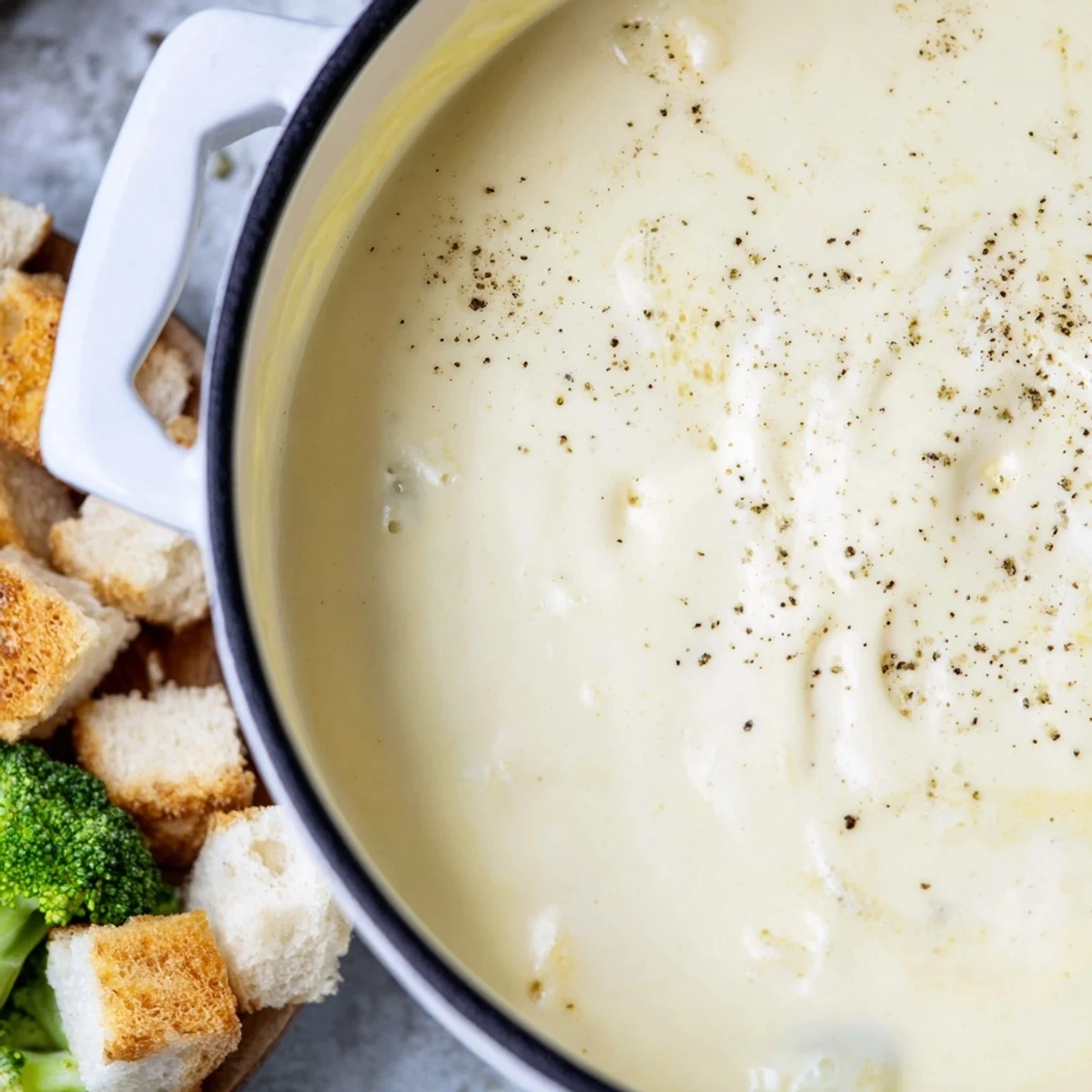
Everyone assumes bread is the only option, but fondue is actually a canvas for whatever speaks to you. I've discovered that blanched broccoli creates this incredible texture contrast—the cheese clings to it differently than bread. Cherry tomatoes add brightness. Apples (tossed in lemon juice so they don't oxidize) bring sweetness. Mushrooms cooked until golden offer earthiness. The Swiss traditionally stick to bread and maybe cornichons, but I love giving guests choices and watching their eyes light up when they discover their favorite combination. One friend always goes straight for the raw red bell pepper, claiming it's the perfect vehicle for cheese. I used to question it; now I always include it.
The Perfect Pairing and Timing
Fondue is best served alongside a crisp, dry white wine—the same wine you used in the pot, ideally. The acidity cuts through the richness and keeps your palate fresh. Some Swiss drink light black tea instead, and I tried it once and understood immediately why; the tannins work similarly. The trick with fondue is that it cools as you go, so the first dips are absolutely creamy and perfect, while later dips might feel slightly thicker. Rather than letting this bother you, embrace it—the pot keeps evolving, much like the evening itself. If the fondue does become too thick, thin it slightly with a splash of warm wine. If it somehow breaks and separates, all isn't lost; whisk in a bit of cornstarch slurry and stir gently until it comes back together. I've rescued more fondue this way than I'd like to admit, and every time felt like kitchen magic.
- Serve fondue only when your guests are settled and ready; it demands attention and shouldn't sit unattended.
- Keep the tabletop burner at the gentlest possible flame—you're maintaining warmth, not cooking anything new.
- Encourage everyone to keep their bites small and deliberate; this makes the experience last longer and keeps the pot consistent in temperature.
 Pin Recipe
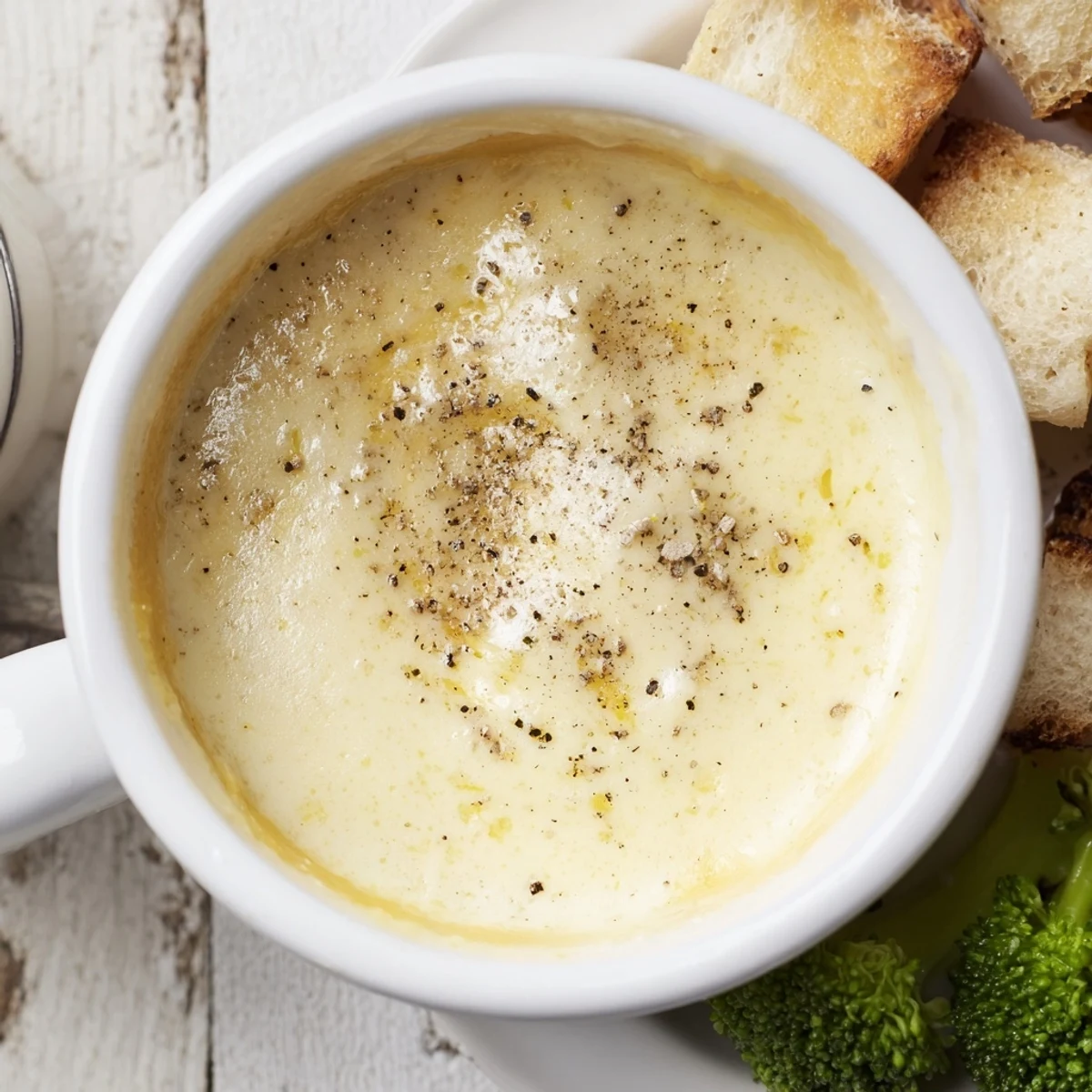
 Fondue is one of those dishes that reminds us why we cook at all. It brings people together in the simplest, most elegant way possible. Every time I make it, someone inevitably says, "We should do this more often," and I always agree.
Recipe FAQs
- → What cheeses are best for fondue?
-
Gruyère, Emmental, and Appenzeller cheeses blend smoothly, offering balanced flavor and meltability essential for a creamy fondue.
- → How do I prevent the cheese from clumping?
-
Slowly melt cheeses over medium heat while stirring constantly in a figure-eight motion. Incorporating cornstarch mixed with kirsch or water helps achieve a smooth texture.
- → Can I substitute kirsch in the mixture?
-
Kirsch adds subtle fruitiness, but you can substitute it with a bit of white wine or water without greatly affecting the fondue’s consistency.
- → What is the best bread for dipping?
-
Crusty baguette cubes, preferably day-old, provide firm texture that won’t absorb too much liquid, enhancing the dipping experience.
- → How should I season the fondue?
-
Freshly ground black pepper and grated nutmeg add warmth and depth; adjust quantities to taste for perfect balance.
- → What is the ideal cooking temperature?
-
Heat the mixture gently over medium heat, ensuring the cheese melts smoothly without boiling, preserving its creamy texture.
