
 Pin Recipe
 This custard blends whole milk, cream, eggs, sugar and cornstarch with vanilla and a touch of cinnamon. Warm the dairy gently and temper it into the eggs, then strain for a smooth texture. Pour into a 9-inch crust and bake at 350°F until the center is set but slightly wobbly (about 45–50 minutes). Cool on a rack, chill at least 2 hours, then dust with cinnamon or powdered sugar and garnish as desired.
Every December, there comes a moment when the kitchen hums with anticipation and a sweet, creamy aroma floats into every corner of the house. It's not always a grand occasion in our family, but something about making this Christmas Eve Custard Pie with cinnamon and vanilla sets the night aglow in its own easy way. The faint crackling of the oven and the swirl of vanilla in the air promise something comforting, elegant, and inviting. This pie began as a simple experiment with pantry ingredients, but quickly became something my winter evenings can't do without.
I still remember the amused look on my sister's face when she caught me anxiously peeking through the oven window, worried the custard would never set. We huddled close, swapping cheesy holiday jokes, impatiently counting down the minutes until we could dust the top with sugar and sneak our first sliver. That nervous excitement transformed the pie into the centerpiece of our little gathering—and maybe the excuse we needed to linger by the oven together.
Ingredients
- Pie Crust: I’ve learned a chilled, unbaked pie crust (homemade or store-bought) keeps everything flaky and never soggy; crimp those edges confidently.
- Whole Milk: Don’t skimp, as whole milk lays the creamy groundwork for the custard—you’ll taste the difference.
- Heavy Cream: The secret to the pie’s velvety finish; blend with the milk for ultimate richness.
- Large Eggs: Room temperature eggs prevent curdling and whisk more smoothly into the filling.
- Granulated Sugar: Keeps the custard balanced—never too sweet, never bland.
- Cornstarch: Just enough to ensure a set that’s silky, not stiff (trust me—don’t overdo it).
- Vanilla Extract: Always use real vanilla if you can; its depth lingers in every bite.
- Ground Cinnamon: Both inside and on top, it’s what gives this pie its unmistakable holiday warmth.
- Fine Sea Salt: A tiny pinch truly wakes up the sweetness and spices.
- Powdered Sugar: Dusting is optional but gives a snowy, magical look before you serve it.
Instructions
- Prepare the crust:
- Preheat your oven to 350°F and settle your unbaked pie dough into a 9-inch pan, making sure the edges are crimped to your liking.
- Warm the dairy:
- In a medium saucepan, gently heat the milk and heavy cream just until they steam—catch the fragrant swirl, but don’t let it boil.
- Mix the custard base:
- In a mixing bowl, whisk eggs, sugar, cornstarch, vanilla, cinnamon, and salt until you have a smooth, pale mixture that almost looks like melted ice cream.
- Temper and combine:
- Pour the warm milk slowly into your egg mixture, whisking constantly so the eggs gently welcome the heat without scrambling.
- Strain for smoothness:
- Strain the custard through a fine-mesh sieve—every time I do this, I catch any stray lumps and ensure a perfectly satiny pie.
- Fill and bake:
- Pour the custard into your waiting crust and bake for 45-50 minutes, watching for just-set edges and a hint of wobble at the center; foil the edges if they brown too quickly.
- Cool and finish:
- Set the pie on a wire rack to cool—the filling will settle and firm up as the kitchen fills with cinnamon-spiced air.
- Add holiday sparkle:
- Sprinkle ground cinnamon over the top and, if you like, a whisper of powdered sugar that melts into the cooled surface.
- Chill and slice:
- Let the pie chill for at least 2 hours before cutting—impatience leads to custard avalanches, but it's worth the wait.
 Pin Recipe
 There was a Christmas Eve when the table was crowded, the pie landed slightly crooked, and no one cared—one bite in, and conversation faded to the sound of spoons gently clinking on plates. I watched as people closed their eyes for a second after tasting, and it struck me how food really does draw out quiet joy.
Choosing the Right Pie Dish
I discovered that a sturdy ceramic or glass pie pan helps the custard bake evenly without cracking or forming tough edges. Metal pans sometimes speed things up, but a heavy dish gives the pie a more gentle, even heat—so take your pick with that in mind.
Easy Ways to Elevate Your Toppings
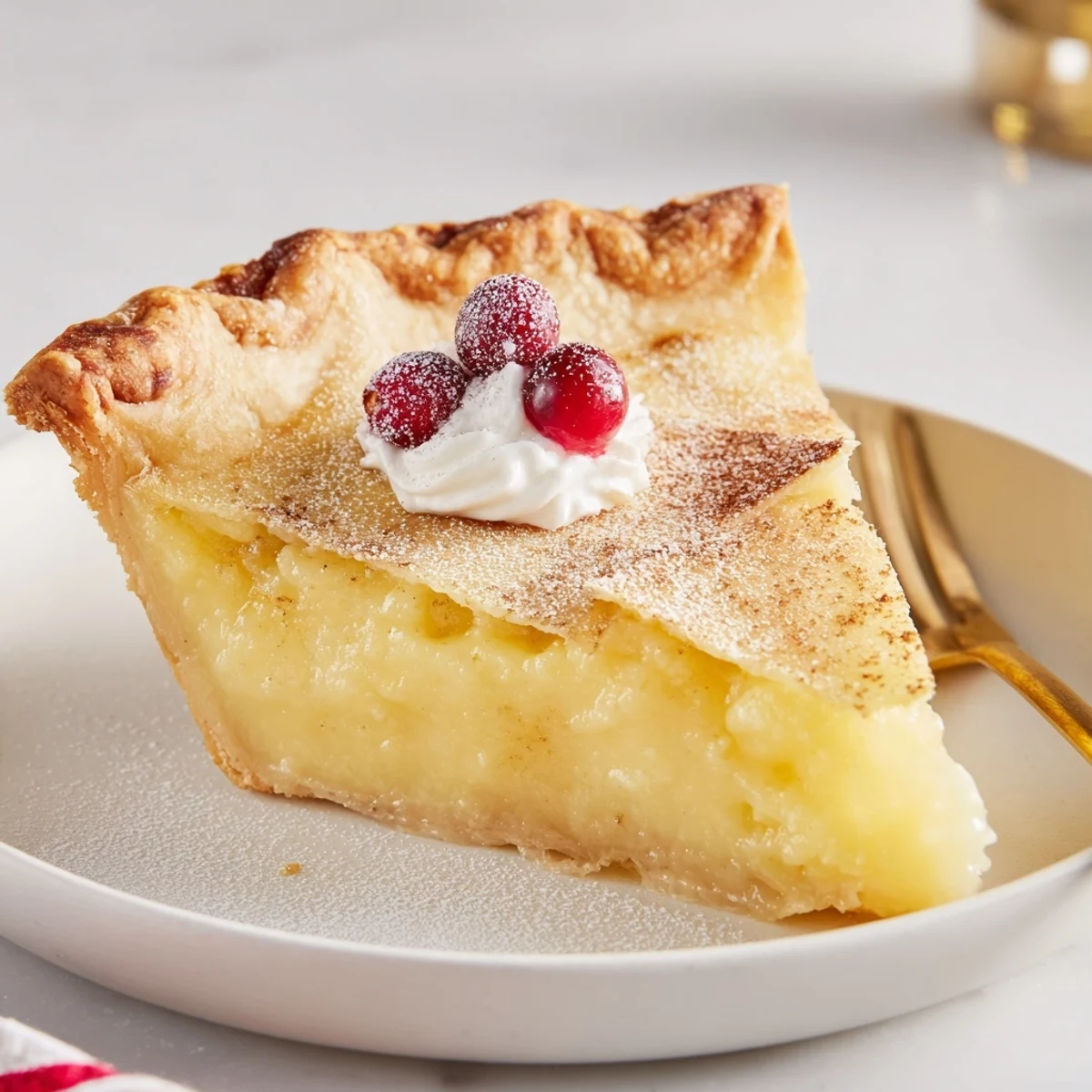
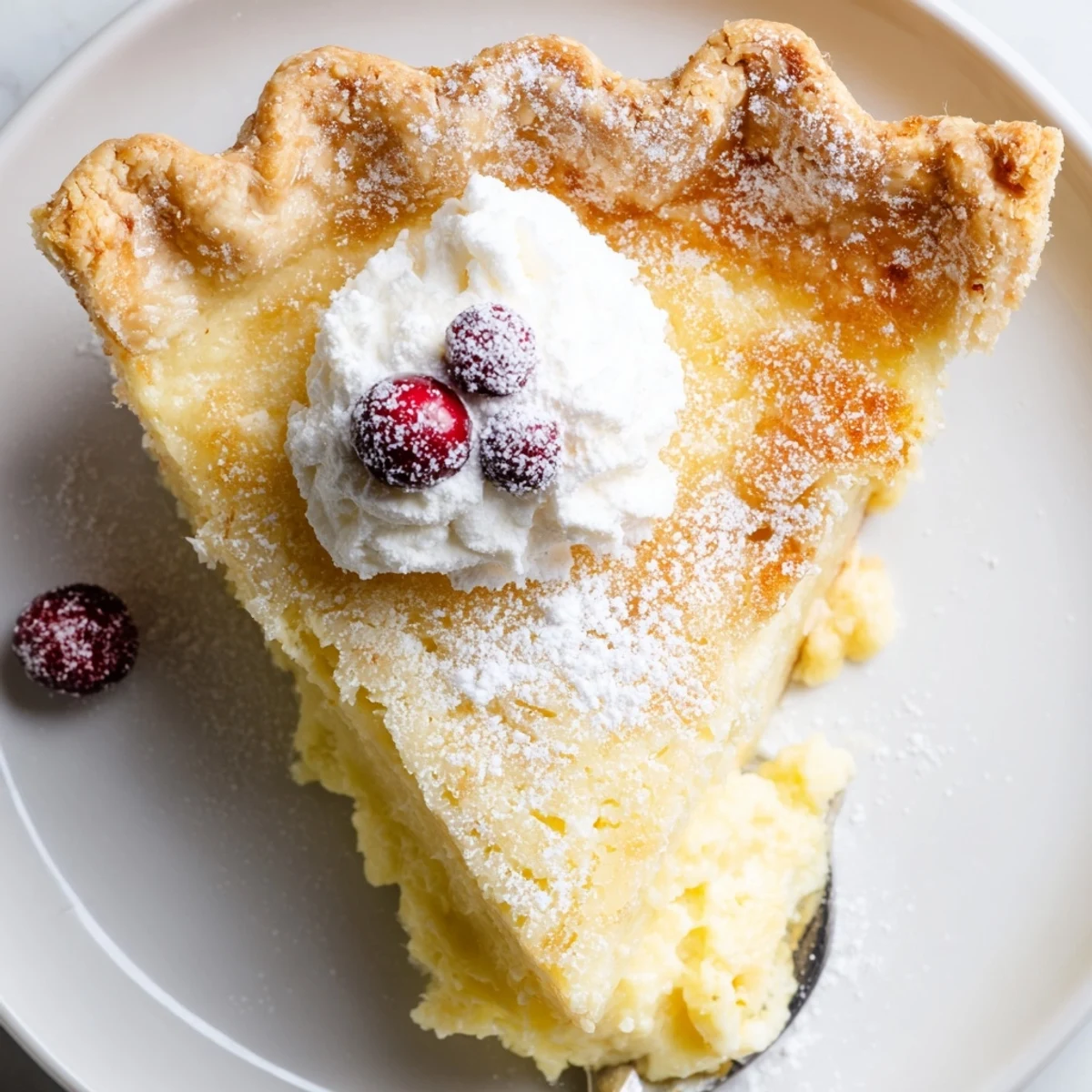
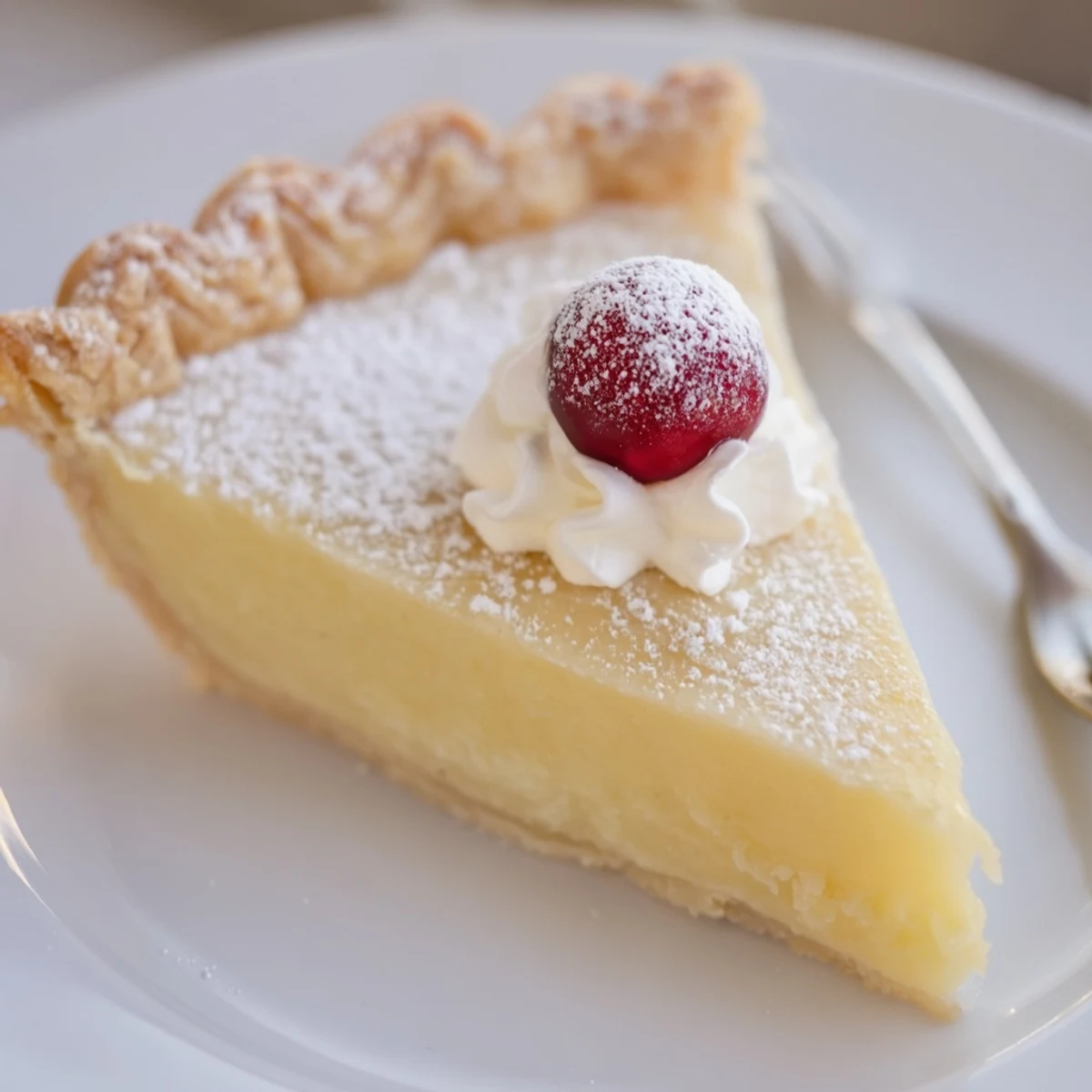
If you're feeling adventurous, try dusting with extra cinnamon or adding sugared cranberries as garnish. Homemade whipped cream with a pinch of cinnamon or nutmeg turns each slice into a miniature dessert event. Sometimes I sneak in a splash of bourbon to the cream, and it always gets a surprised smile out of guests.
Troubleshooting for Perfect Custard
If your custard cracks, it might just be slightly overbaked—pull it when the middle still trembles a bit. A water bath can help if you want to go the extra mile, too. And if the top looks a touch uneven, a quick snowy dust of powdered sugar makes it all look festive and flawless.
- Always let the pie cool before chilling to set the custard perfectly.
- Don't skip the sieve if you want that classic, creamy texture.
- Leftover slices are excellent for breakfast with hot coffee the next day.
 Pin Recipe
 This is a pie that invites you to slow down and savor, bite by sweet bite. I hope it becomes a quiet highlight of your winter table, too.
Recipe FAQs
- → How do I prevent the custard from curdling?
-
Warm the milk and cream gently—avoid boiling—and temper the eggs by whisking in the warm dairy slowly. Straining the mixture before baking removes any coagulated bits and yields a silkier filling.
- → How can I tell when the custard is done?
-
The edges should be set and the center slightly wobbly when you gently shake the pan. It will continue to firm as it cools; avoid overbaking to keep a creamy texture.
- → Should the crust be prebaked?
-
A blind-baked crust helps prevent a soggy bottom, especially if using a softer store-bought shell. If using a sturdy crust, you can fill and bake directly but monitor browning and tent edges with foil if needed.
- → Can I add alcohol or other flavorings?
-
A splash of bourbon or brandy folded into the custard adds depth. You can also stir in citrus zest, nutmeg, or a touch of molasses to vary the festive profile—adjust sugar to taste.
- → How long should it chill before slicing?
-
Chill at least 2 hours so the custard fully sets; longer chilling overnight improves texture and makes cleaner slices.
- → What are good garnishes and serving ideas?
-
Dust with ground cinnamon or powdered sugar, add a dollop of whipped cream or sugared cranberries for color. Serve chilled or lightly room-temperature for best flavor.
