
 Pin Recipe
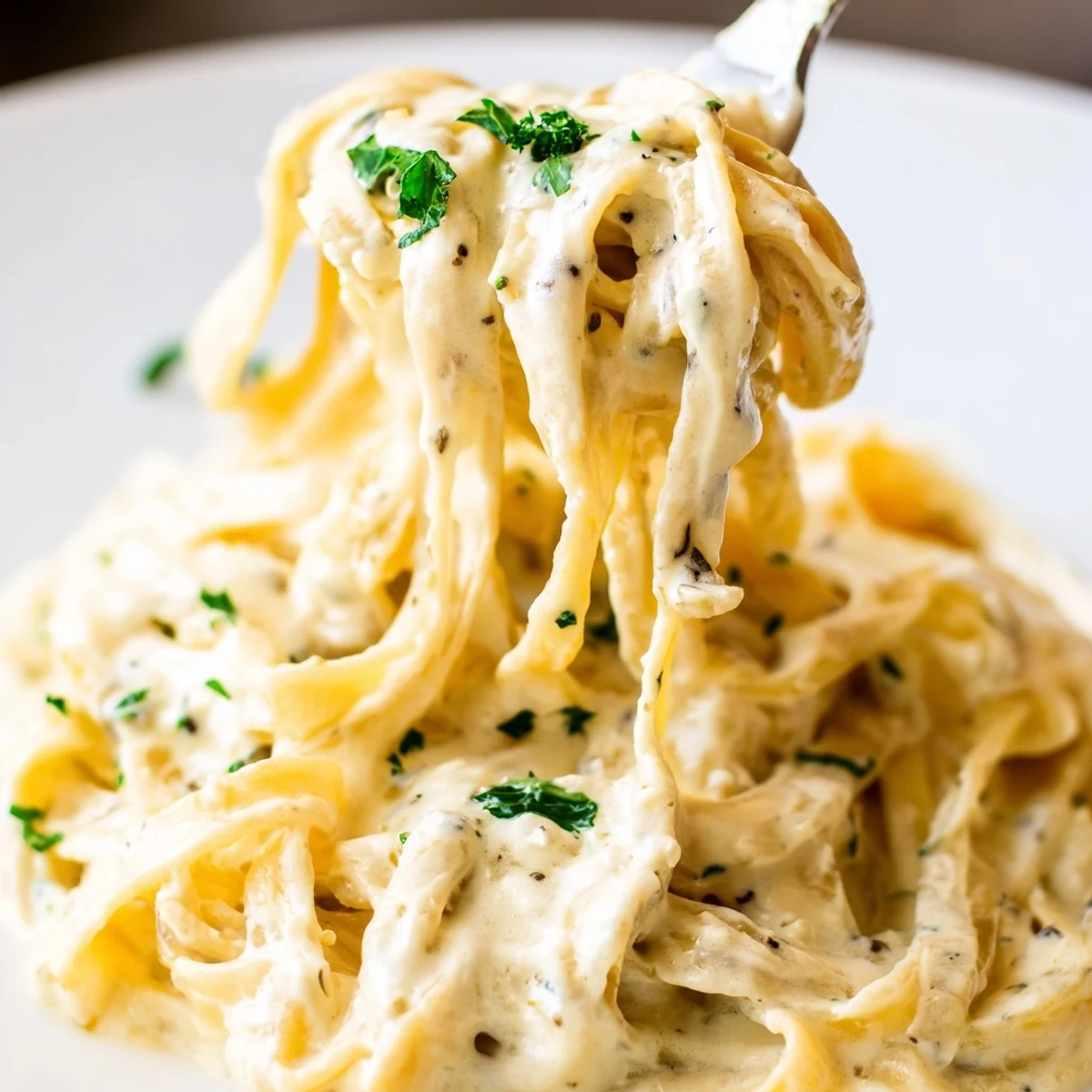
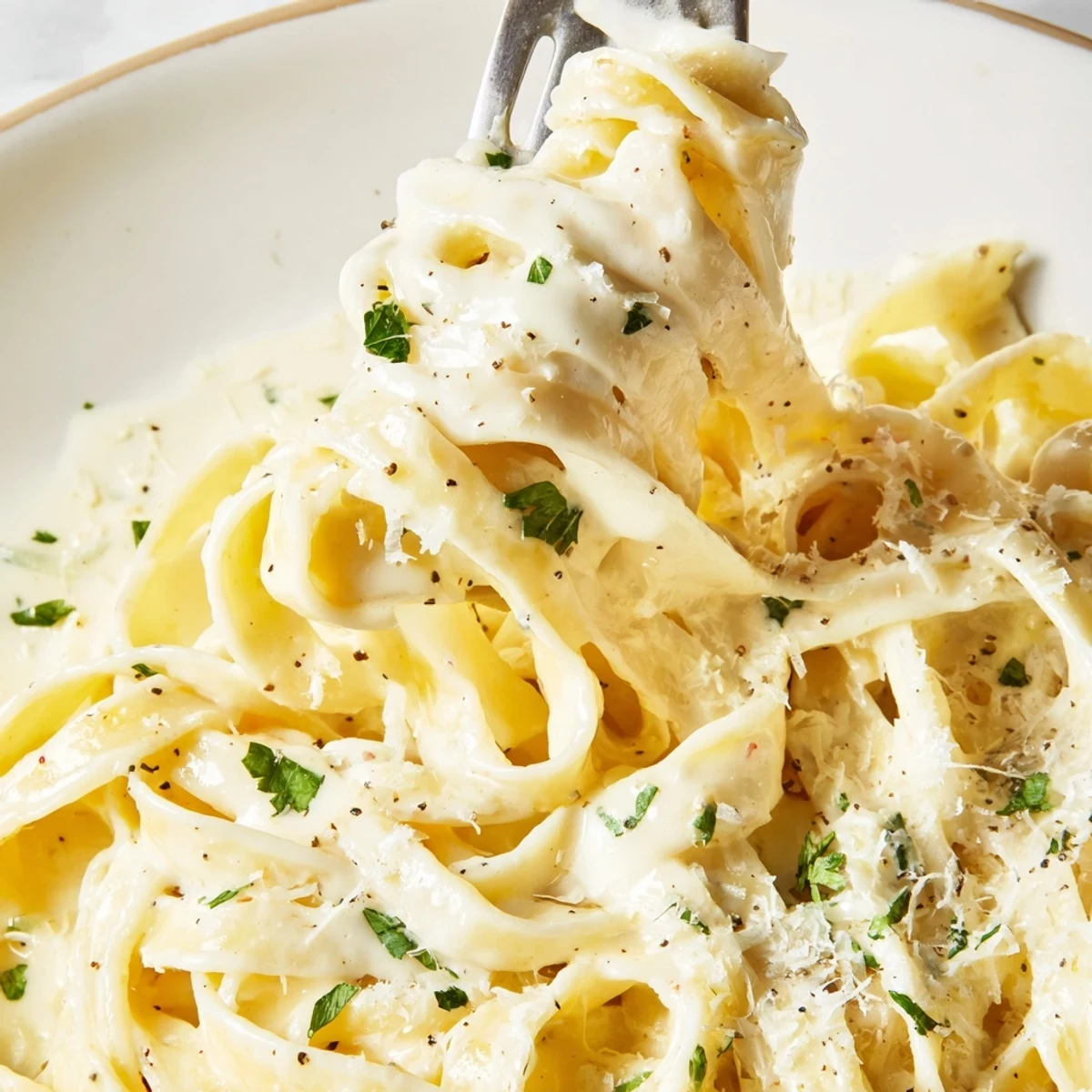
 This dish features tender fettuccine pasta enveloped in a smooth and creamy Parmesan sauce made with butter, garlic, and heavy cream. The sauce is gently simmered and seasoned with freshly ground black pepper and salt for a balanced flavor. Garnished with fresh parsley and extra Parmesan, it offers a comforting, velvety texture perfect for a quick, satisfying meal.
Cooking involves boiling pasta until al dente, preparing the sauce in a skillet, and combining them with a splash of reserved pasta water for a silky finish. Variations include adding chicken or shrimp, swapping pecorino cheese, and using different pasta types to suit preferences.
There's a particular kind of quiet that settles over the kitchen when you're making Alfredo—no sizzling, no simmering urgency, just the soft clink of a wooden spoon against warm cream and the building scent of butter and garlic melting into something golden. I stumbled into this dish one weeknight when I had exactly three things I wanted to avoid: takeout menus, complicated instructions, and letting a bottle of heavy cream go bad. Twenty-five minutes later, I had something so luxuriously smooth it felt like I'd cheated.
I made this for my neighbor one random Tuesday after she mentioned offhandedly that she hadn't had real Alfredo in years. Watching her face when that first bite happened—the way she closed her eyes and got very still—reminded me that some dishes don't need a special occasion. They just need someone who cares enough to get the cream warm and the cheese fine.
Ingredients
- Fettuccine or tagliatelle (350 g / 12 oz): Wide, flat ribbons are the keeper here—they catch and hold the sauce in every bite instead of letting it slide past.
- Unsalted butter (2 tbsp): Use good butter if you can; it becomes the foundation flavor, so salty butter will throw everything off.
- Garlic (2 cloves, finely minced): Mince it small and watch it like a hawk—the line between fragrant and burnt is about thirty seconds.
- Heavy cream (1 cup / 240 ml): Don't use half-and-half or cream substitutes here; the fat content is what makes this silky, not just thick.
- Freshly grated Parmesan (100 g / 1 cup): This is where the recipe either sings or falls flat—block cheese grated fresh tastes like nothing compared to the pre-grated stuff, which has anti-caking agents that throw grit into the sauce.
- Freshly ground black pepper (1/4 tsp): Grind it right before you use it, or you're tasting the cardboard box instead of the pepper.
- Salt (to taste): Taste as you go; you need less than you think because the pasta water, butter, and cheese all carry salt.
- Fresh parsley (2 tbsp chopped): A bright finish that cuts through the richness and makes the whole dish feel intentional.
Instructions
- Boil the pasta:
- Get your water salted well—it should taste like the sea. This is your only chance to season the pasta itself. Cook until al dente, which means it still has a slight resistance to the bite, because it keeps cooking the moment it hits the warm sauce. Before you drain it, scoop out that pasta water; it's liquid gold for adjusting the sauce later.
- Toast the garlic:
- Melt butter over medium heat and let it get foamy, then add your minced garlic. You're listening for it to smell amazing and watching for it to stay pale gold—the moment it starts to color, take the pan off heat for a breath. Garlic burned is garlic bitter, and there's no coming back from that.
- Build the cream base:
- Pour in your cream and bring it to a gentle simmer, not a rolling boil—just lazy bubbles at the edges. Let it go for 2-3 minutes, stirring often, so it thickens slightly and the dairy flavors mellow out.
- Add the cheese:
- This is where patience becomes everything. Drop the heat to low and add your Parmesan slowly, a handful at a time, stirring constantly until each addition melts and disappears into the cream. Rushing this part means lumpy, broken sauce. Slow means smooth.
- Season and taste:
- Crack in your pepper, add salt gradually, and taste. The flavors should feel bright and clean, not one-note and heavy.
- Marry the pasta and sauce:
- Toss in your drained pasta and coat every strand in that sauce. If it feels thick, splash in some of that reserved water—just a little at first, a little at a time. You're looking for a silky coat, not a soup.
- Finish and serve:
- Plate it immediately while everything is still hot and creamy, then scatter parsley and extra Parmesan over the top. The heat of the dish will keep everything moving; wait five minutes and it starts to get stiff.
 Pin Recipe
 There was one night when I made this for someone I was trying to impress, and I got nervous and overcooked the garlic. The sauce tasted like charred bitterness, and I almost threw the whole thing out. Instead, I added another quarter cup of cream and a little more cheese, and something in the chemistry rebalanced. It wasn't the dish I'd planned to make, but it was actually better—a reminder that mistakes in the kitchen aren't failures, they're just different paths.
The Science of Silky Sauce
Alfredo works because of an emulsion—fat and dairy binding together through heat and motion into something smooth and glossy. The Parmesan isn't just flavor; it's an emulsifier, which is why block cheese melts into silk but pre-grated cheese (with its cellulose coating) turns grainy. Understanding this changed how I approached the recipe. It's not just nostalgia food; it's actually chemistry you can taste.
Why Your Sauce Might Break
High heat and impatience are the two ways to ruin this dish. A cream sauce breaks when the fat separates out, and it happens fast—usually because you're adding cold cheese to hot cream or cooking at too high a temperature. I've found that the low-heat, slow-addition method feels glacially slow, which is exactly when you know it's working.
Variations and Company
This recipe is a beautiful blank canvas, which is maybe why it's lasted as long as it has. I've made it pure and simple countless times, but I've also topped it with sautéed chicken, crispy bacon, or mushrooms that have been pan-fried until they're almost caramelized. A shower of red pepper flakes changes the whole mood, or add a squeeze of lemon juice right before serving and suddenly it feels lighter. The beauty is that the sauce stays the same—you're just adding to the story.
- Pan-seared shrimp or grilled chicken adds protein without disrupting the sauce's balance.
- Fresh lemon juice (about a teaspoon) brightens everything without overwhelming the cream.
- A pinch of nutmeg is traditional in Italian kitchens and adds warmth most people can't quite identify.
 Pin Recipe
 This is one of those dishes that taught me that the simplest recipes often require the most attention. There's nowhere to hide when you're working with four ingredients, so you might as well fall in love with the process.
Recipe FAQs
- → What type of pasta works best with this sauce?
-
Fettuccine or tagliatelle pasta are ideal as their flat ribbons hold the creamy sauce well.
- → How can I make the sauce more flavorful?
-
Sautéing garlic gently enhances aroma, and using freshly grated Parmesan adds depth to the sauce.
- → Is there a way to adjust the sauce's thickness?
-
Add reserved pasta cooking water gradually when mixing sauce and pasta to achieve a silky texture.
- → Can I use a different cheese instead of Parmesan?
-
Replacing Parmesan with pecorino offers a sharper flavor, enhancing the sauce’s richness.
- → What garnishes complement this dish?
-
Fresh chopped parsley and a sprinkle of extra Parmesan brighten the dish and add texture contrast.
- → How long does it take to prepare this dish?
-
The total time is about 25 minutes, including 10 minutes prep and 15 minutes cooking.
