
 Pin Recipe
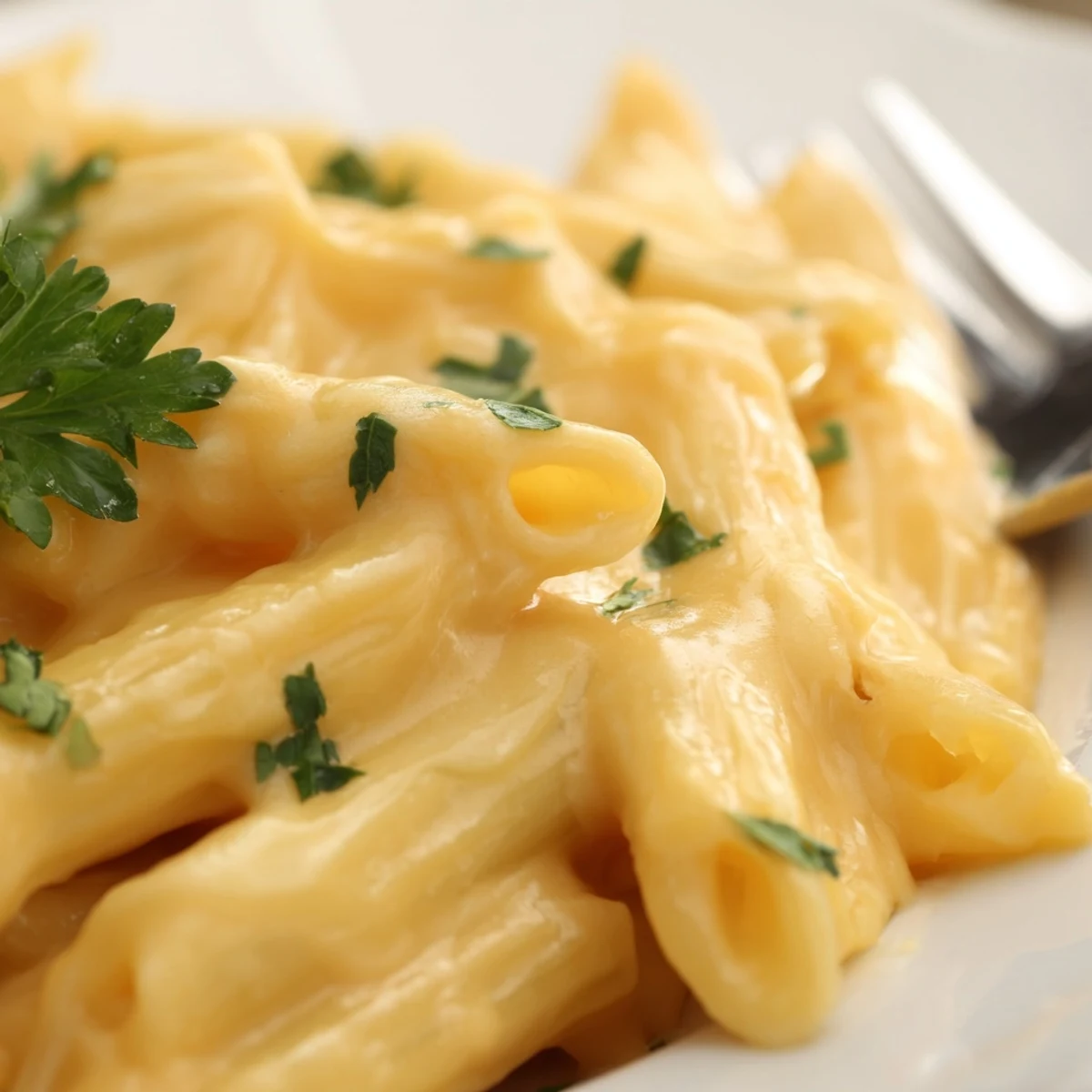
 This dish combines tender pasta with a velvety cheese sauce made from melted cheddar and Parmesan. A simple roux of butter and flour is whisked with milk to create the creamy base, seasoned delicately with garlic powder and black pepper. Tossed together, the pasta absorbs the rich sauce perfectly, resulting in a comforting meal ideal for busy weeknights or relaxed evenings. Garnish with fresh parsley or extra Parmesan to elevate the flavors.
There's something about the way butter and flour meet in a hot pan that signals comfort is coming. I stumbled onto this creamy pasta years ago during a rainy Tuesday when I wanted something warming but had no energy for anything complicated. The sauce came together so easily, and soon I was twirling forkfuls of silky, cheese-coated pasta, wondering why I'd ever bothered with jarred anything before.
I made this for my partner on a night when we were both exhausted, and they sat at the counter while I cooked, telling me about their terrible day. By the time I set down the bowl, something had shifted. The meal felt like a small act of quiet love, the kind that doesn't need to be announced.
Ingredients
- Pasta (350 g / 12 oz): Use whatever shape you have on hand, though penne and fusilli trap the sauce beautifully. Don't reach for the fancy stuff; good dried pasta is all you need.
- Water and salt for pasta: Generously salted water is your flavor foundation. It should taste like the sea.
- Unsalted butter (2 tablespoons): This is your roux base, so use real butter. The flavor matters here in ways that substitutes can't replicate.
- All-purpose flour (2 tablespoons): This thickens the sauce without any fussiness. Keep it level with a knife.
- Whole milk (2 cups / 480 ml): Room temperature milk incorporates smoothly without shocking the hot roux. Cold milk can seize up and get lumpy.
- Cheddar cheese (1 cup / 100 g): Sharp cheddar adds character. Avoid pre-shredded if you can; it melts unevenly because of the anti-caking powder.
- Parmesan cheese (1/2 cup / 50 g): Freshly grated Parmesan brings nuttiness and helps the sauce grip the pasta. The stuff in the green can just doesn't perform the same way.
- Garlic powder, black pepper, salt: These seasonings are subtle here but necessary to make the cheese shine without tasting flat.
- Fresh parsley and extra Parmesan for garnish (optional): A fresh finish brightens everything and makes it feel intentional.
Instructions
- Boil your pasta with confidence:
- Fill the pot with enough water that the pasta can move freely as it cooks. Add salt generously and bring to a rolling boil before adding the pasta. Stir it once so nothing sticks.
- Cook to al dente:
- Follow the package timing, but start tasting a minute before it's supposed to be done. You want that slight resistance when you bite through. Reserve 1/2 cup of the starchy pasta water before draining.
- Build your roux:
- Melt the butter over medium heat until it stops foaming. Add the flour and stir constantly for about a minute. This removes the raw flour taste and thickens the mixture slightly.
- Whisk in the milk slowly:
- Pour the milk in gradually while whisking to avoid lumps forming. The mixture will seem thin at first, but keep whisking steadily over medium heat.
- Watch for the sauce to thicken:
- After about 3 to 5 minutes, the sauce will visibly coat the back of a spoon. You'll see it thicken right before your eyes, and you'll know exactly when it's done.
- Add the cheese off heat:
- Lower the heat and add both cheeses, stirring gently until smooth. Melting them off high heat prevents the proteins from seizing up and turning grainy.
- Season and taste as you go:
- Sprinkle in the garlic powder, pepper, and salt. Taste it. Add more if it needs it. This is your moment to make it perfect.
- Combine and adjust:
- Toss the hot pasta with the sauce until every piece is coated. If it seems too thick, splash in a little pasta water and stir again until the consistency feels right.
- Serve right away:
- This dish is best enjoyed warm and creamy, straight from the pan to the plate. Add parsley and Parmesan on top if you have them.
 Pin Recipe
 Once I served this to friends who showed up unannounced on a Sunday evening, and it became the kind of meal that gets talked about months later. Nothing fancy, nothing intimidating, just genuine and filling and made with care.
The Magic of Simplicity
This recipe thrives because it doesn't try to be anything other than what it is. There's no unnecessary complexity, no exotic ingredients, just a handful of things working together the way they're supposed to. Sometimes the most satisfying meals are the ones built on technique rather than effort.
Variations That Work
The beauty of this sauce is how forgiving and adaptable it becomes once you understand the basics. Sautéed mushrooms stirred in at the end add earthiness, fresh spinach wilts right into the warmth, and cooked peas bring sweetness. You can swap cheddar for Gruyère or fontina if you want a different flavor profile without changing a single step. The foundation stays solid no matter what you add.
Serving and Pairing
Serve this warm, straight from the pan while the sauce is still clinging to every strand. A simple green salad alongside cuts through the richness beautifully, and if you're in the mood, a glass of Chardonnay complements the cream and cheese without competing. The contrast of fresh vegetables and crisp acidity makes the meal feel more complete than the pasta alone.
- Add a squeeze of fresh lemon juice right before eating for brightness.
- A sprinkle of red pepper flakes brings subtle heat and sophistication.
- Toast your pasta water and serve extra on the side in case anyone wants a thinner consistency.
 Pin Recipe
 This is the kind of dish that reminds you that good food doesn't need to be complicated. It just needs to be made with attention and served with warmth.
Recipe FAQs
- → What pasta types work best for this dish?
-
Penne, fusilli, or fettuccine are excellent choices, as they hold the smooth cheese sauce well.
- → How do I make the cheese sauce smooth and lump-free?
-
Whisk the milk gradually into the roux and continue stirring until the sauce thickens to prevent lumps.
- → Can I adjust the sauce thickness?
-
Yes, adding reserved pasta cooking water helps loosen the sauce to your desired consistency.
- → What variations can enhance the flavor?
-
Incorporating sautéed mushrooms, spinach, or peas adds texture and depth to the creamy base.
- → Which cheeses complement the sauce well?
-
Cheddar and Parmesan provide a rich flavor; alternatives like Gruyère or fontina offer delicious differences.
