
 Pin Recipe
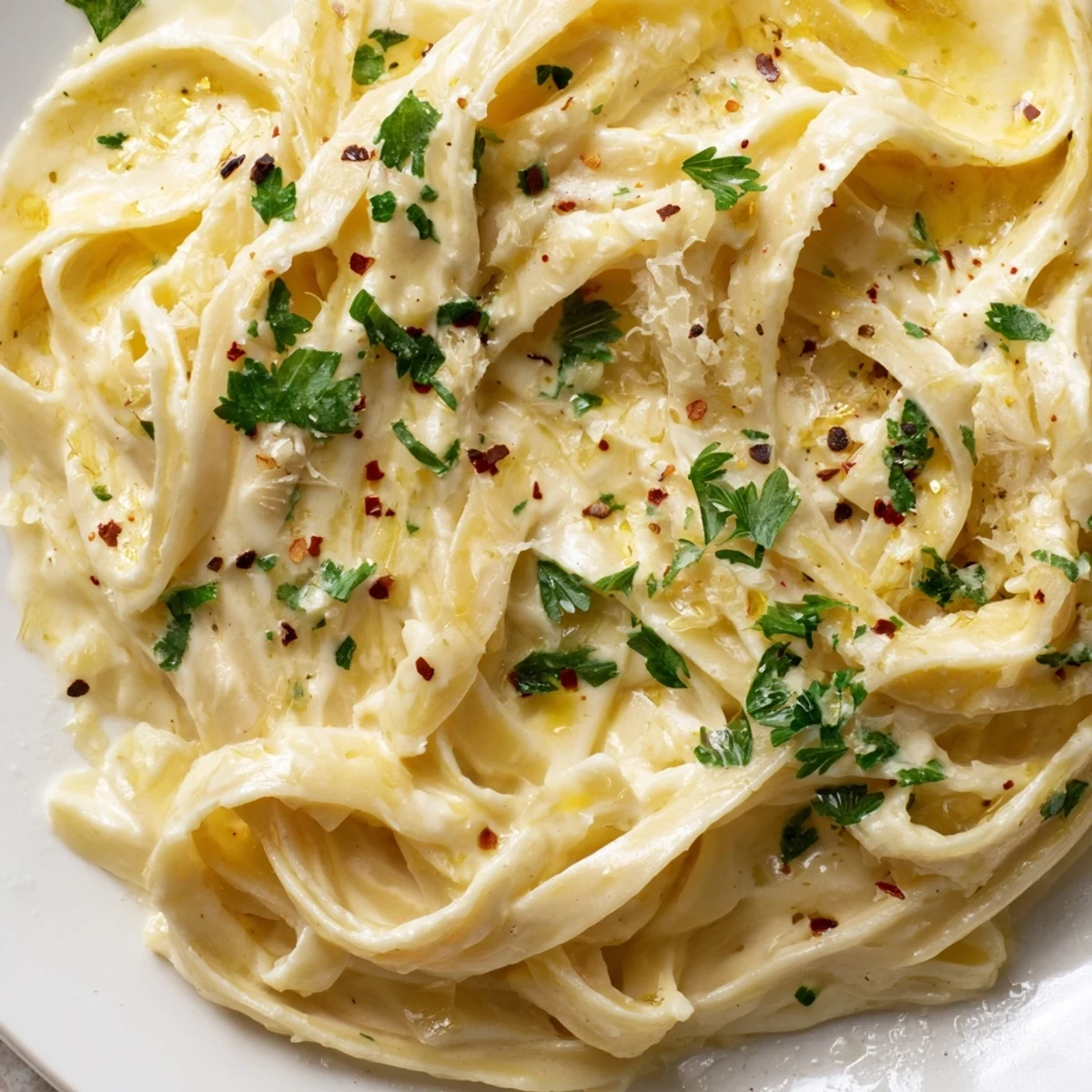
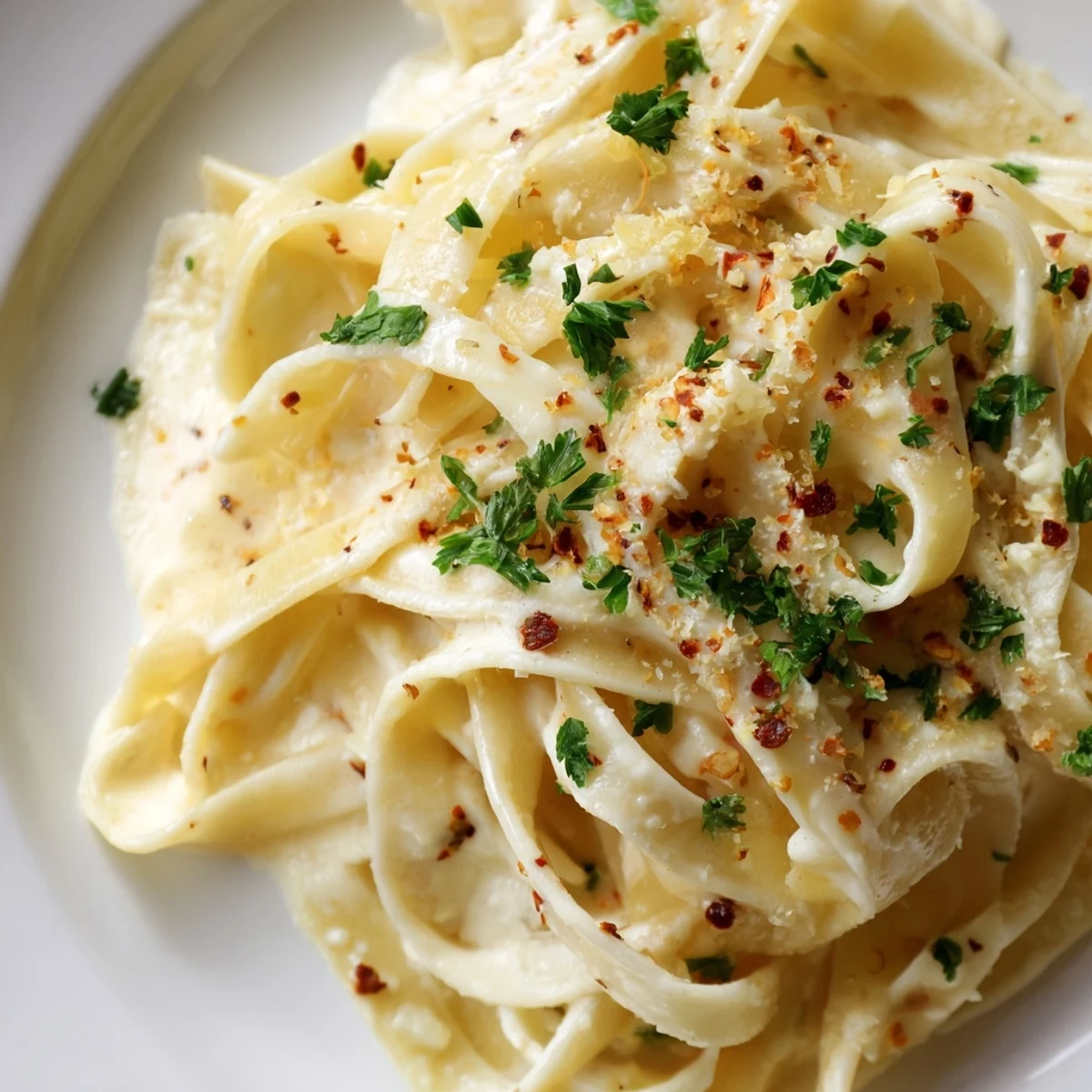
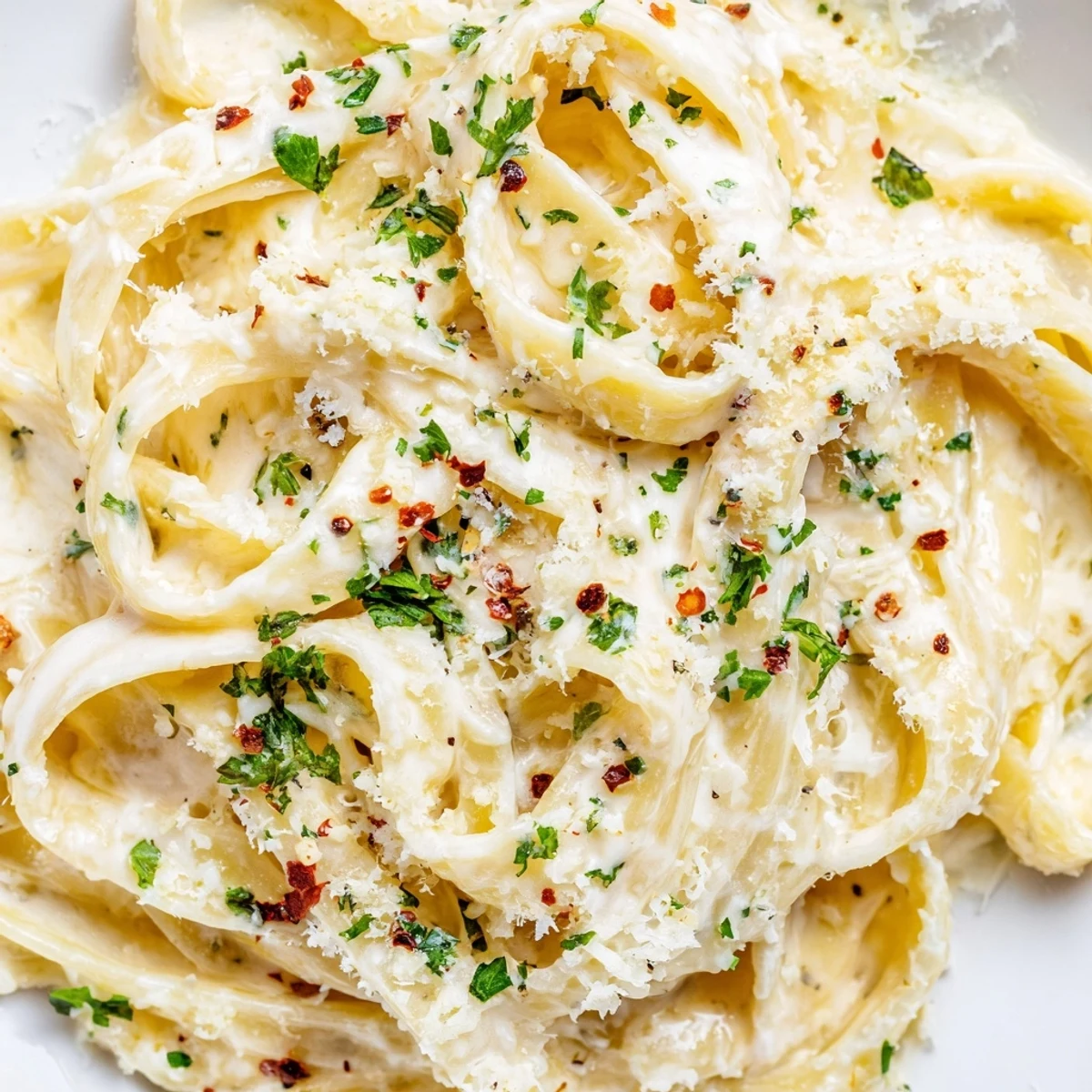
 This dish blends tender pasta with a smooth garlic cream sauce, enriched by buttery notes and Parmesan. Fresh parsley adds a bright, herbal touch, balancing the richness. The sauce is gently simmered to achieve a silky texture, perfect for coating the pasta evenly. Optional red pepper flakes introduce a hint of warmth, while reserved pasta water helps perfect the sauce consistency. Quick and straightforward to prepare, it offers a satisfying and aromatic meal ideal for weeknight dining. Customize with added veggies or proteins to suit your taste.
There's something about the smell of garlic hitting hot butter that makes you stop whatever you're doing. I discovered this pasta on an ordinary Tuesday evening when I had twenty minutes, a half-empty fridge, and a sudden craving for something that felt fancy but required barely any effort. One pan, a handful of ingredients, and somehow a dish that tastes like you've been simmering things for hours. It's become my go-to when I want comfort without the complexity.
I made this for my sister on a rainy Saturday when she stopped by unannounced, and she sat at the counter watching the cream turn golden while we talked about nothing important. By the time I twisted the pasta onto her plate and grated that final handful of Parmesan, she'd already decided she was staying for seconds. That's when I knew this recipe had staying power.
Ingredients
- Fettuccine or spaghetti (350 g): The wider ribbons of fettuccine cradle the cream better, but spaghetti works beautifully if that's what you have.
- Unsalted butter (2 tbsp): Don't skip the unsalted version; salted butter will throw off your seasoning control.
- Garlic (4 cloves, finely minced): This is where texture matters—minced finer than you think you need, so it melts into the cream rather than bite through it.
- Heavy cream (1 1/4 cups): Cold cream straight from the fridge helps prevent the sauce from breaking when it hits the hot pan.
- Freshly grated Parmesan cheese (1/2 cup): Block cheese grated by hand tastes sharper and melts more smoothly than pre-grated, which contains anti-caking agents.
- Black pepper (1/4 tsp, freshly ground): Fresh ground makes a noticeable difference in brightness.
- Salt (1/4 tsp, plus more to taste): You'll adjust this after tasting, so don't commit to the first measurement.
- Red pepper flakes (pinch, optional): A tiny whisper of heat that nobody quite identifies but everyone notices.
- Fresh flat-leaf parsley (1/2 cup, chopped): The herb that saves this from tasting one-note; add most of it at the end so it stays bright.
- Extra Parmesan for serving: Always have more at the table—people will want it.
Instructions
- Start the pasta:
- Get a large pot of salted water boiling—it should taste like seawater. Drop in your pasta and cook until it's just barely tender, which is usually a minute or two before the package says to stop.
- Build the sauce base:
- While the pasta cooks, melt butter in a large skillet over medium heat until it's foaming but hasn't turned golden. Add your minced garlic and let it wake up for about a minute, stirring constantly so it softens without browning.
- Add the cream:
- Pour in the cold heavy cream and let it come to a gentle simmer, stirring occasionally. You'll see it start to thicken slightly and smell incredibly rich.
- Season into silkiness:
- Stir in the grated Parmesan, salt, black pepper, and red pepper flakes if you're using them. Watch as the cheese melts and transforms the cream into something glossy and smooth.
- Bring it together:
- Add your drained pasta directly to the skillet and toss everything together. If the sauce clings too thickly, loosen it with reserved pasta water, a splash at a time.
- Finish with brightness:
- Remove from heat and fold in most of the chopped parsley, saving some for the top. This final touch changes everything.
 Pin Recipe
 What struck me most was realizing this dish became the thing my partner requests when they've had a long day, the one that feels like both comfort and celebration somehow. Pasta this simple shouldn't carry such meaning, but it does.
The Math of Garlic
I used to think more garlic meant more flavor, and I'd triple it without thinking. Then I made a batch where the cream curdled from the intensity and learned that garlic's power comes from how it's treated, not how much of it exists. Four cloves minced almost to paste, sautéed just until fragrant, gives you all the depth you need. The cream amplifies it in a way that makes you feel like you've been generous even when you're actually being restrained.
Pasta Water Magic
That reserved pasta water isn't just a backup plan; it's an ingredient. The starch in it works like an emulsifier, helping the cream and cheese coat the pasta evenly instead of slicking off into a pool at the bottom of the bowl. I learned this the hard way after making three batches too thin and wondering why everything felt slippery instead of silky. Now I always measure it out and keep it hot.
Room to Breathe
This recipe is forgiving in ways that make it perfect for learning, which is partly why it's become my favorite to cook with someone new in the kitchen. The garlic can't really be overshadowed, the cream is hard to break if you watch the heat, and the parsley redeems any small misstep with its fresh brightness.
- If your sauce seems grainy, you added cheese too fast or the heat was too high; a smooth blend of cream and butter first prevents this.
- If it tastes flat, you need more salt and definitely more parsley—don't be shy with the garnish.
- If you're nervous about cooking, this is the dish that will remind you that simple food cooked with attention tastes infinitely better than complicated food made anxiously.
 Pin Recipe
 This is the kind of cooking that reminds you why people gather around tables—not because the food took hours, but because it tastes like someone cared. Make it for yourself on a Tuesday, or make it for someone else on their difficult day.
Recipe FAQs
- → What type of pasta works best?
-
Fettuccine or spaghetti are ideal for coating with the creamy sauce, but any long pasta can work well.
- → How can I adjust the sauce thickness?
-
Use reserved pasta water incrementally to thin the sauce until it reaches your preferred consistency.
- → Can I add heat to the dish?
-
Yes, adding red pepper flakes during sauce preparation adds a gentle spicy kick without overpowering flavors.
- → Is there a suitable vegetarian protein to add?
-
Grilled tofu or sautéed mushrooms complement the creamy sauce and add extra texture and protein.
- → How do I keep parsley fresh for garnish?
-
Chop parsley just before serving to maintain its bright color and fresh herbal aroma.
