
 Pin Recipe
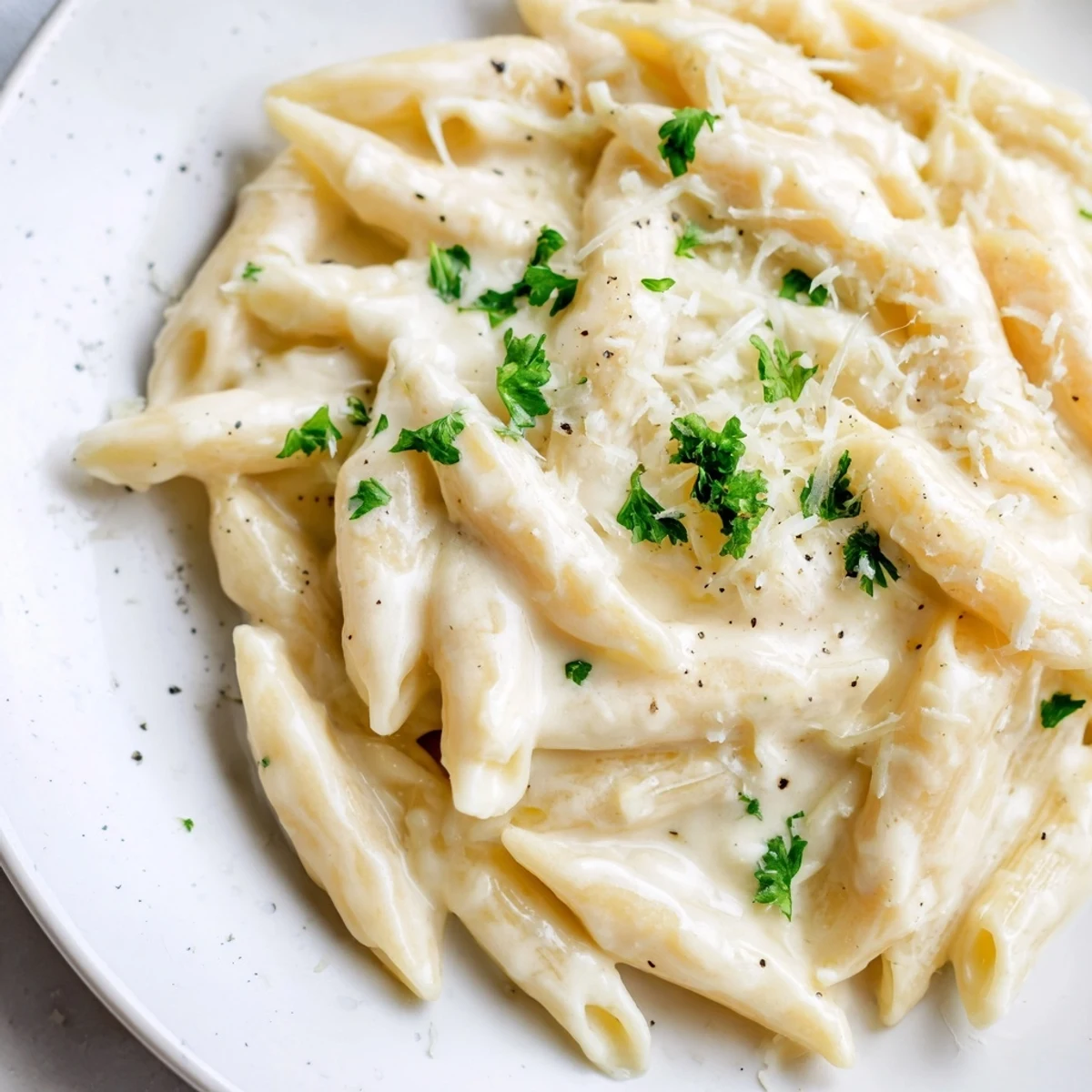
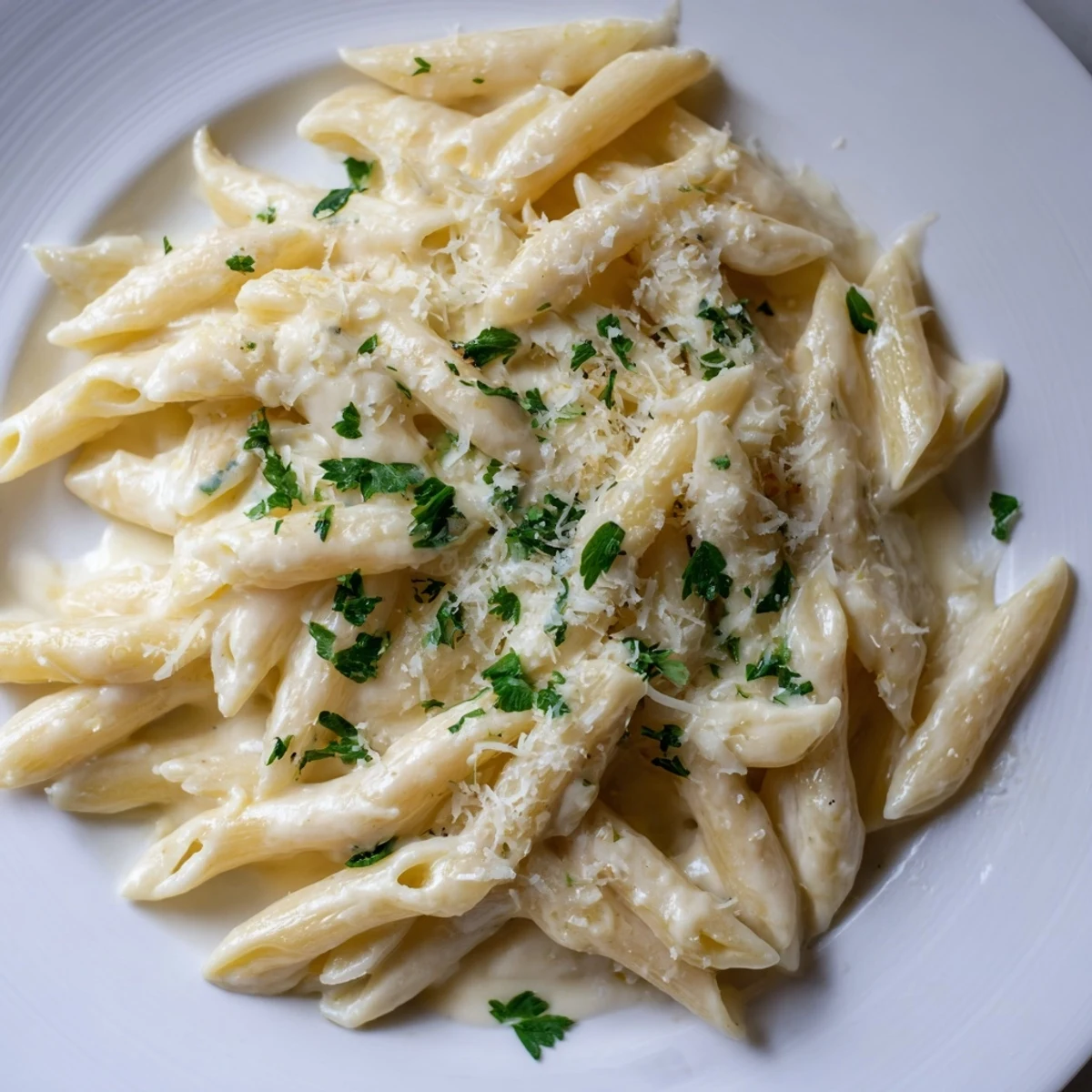
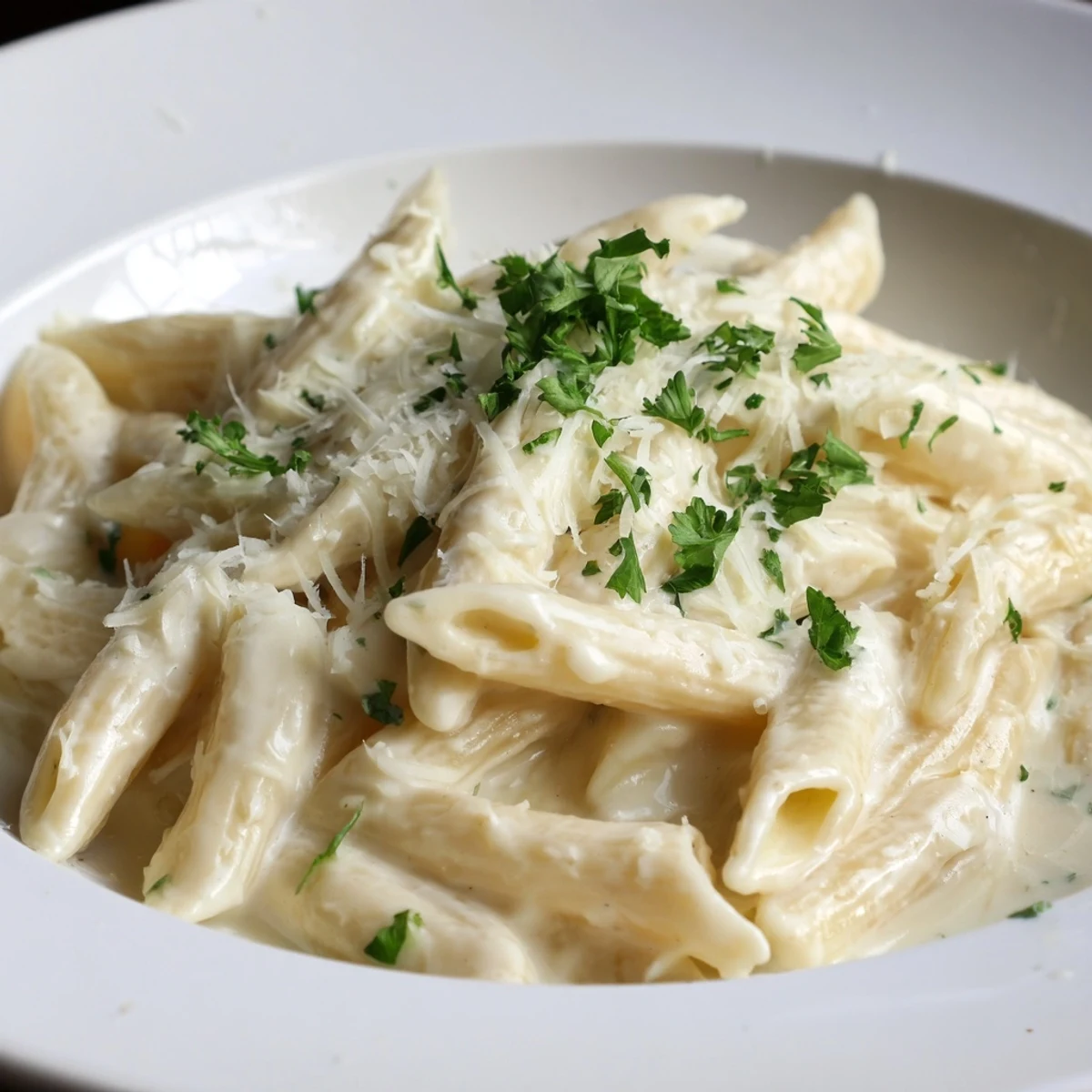
 This comforting dish features pasta cooked al dente, tossed in a rich, creamy sauce made from butter, garlic, heavy cream, milk, and Parmesan. Seasoned with salt, pepper, and a pinch of nutmeg, the sauce is gently simmered to develop silky texture. Garnished with fresh parsley and extra Parmesan, it delivers a smooth, flavorful experience perfect for weeknights or entertaining. Adjust texture by adding reserved pasta water as needed. Variations include mushrooms or spinach for added depth.
There's something about cream sauce that stops time in the kitchen. I was twenty-three, standing in a tiny apartment with barely two burners, when my mom called asking what I was making for dinner. I said creamy pasta without thinking, and she laughed—said it was the first thing she taught me to cook. That night, watching the cream turn from translucent to silky, I understood why she'd chosen it: it's foolproof, fast, and somehow feels like you've done something special.
I made this for someone I was trying to impress once, and I got so nervous about the sauce breaking that I added milk like it was a life raft. Turns out that little splash of milk was the secret—it keeps everything smooth and forgiving, which is exactly what I needed that night. The dish came together, we ate by candlelight, and I learned that sometimes your accidents are actually your best moves.
Ingredients
- Dried fettuccine or penne (350 g): Thicker, ribbon-like pasta catches cream sauce better than thin strands, holding onto every silky bit.
- Unsalted butter (2 tablespoons): Start here—it's the foundation that everything else builds on, so use good butter if you have it.
- Garlic (2 cloves, finely minced): One minute in hot butter is all it needs; any longer and it turns bitter and ruins the whole moment.
- Heavy cream (250 ml): This is where the luxury lives—don't skip it or substitute with something lighter if you want that restaurant-quality coat.
- Milk (60 ml): Acts as a safety net, making the sauce more forgiving and less likely to break or separate.
- Parmesan cheese (60 g, grated): Freshly grated is worth the three minutes it takes; pre-grated tastes like cardboard in comparison.
- Salt and black pepper: Taste as you go—cream needs more seasoning than you think to shine.
- Ground nutmeg (pinch, optional): A whisper of this elevates everything, but it's easy to overdo, so go light.
- Fresh parsley and extra Parmesan (for garnish): These aren't just decorative; they finish the dish with brightness and richness.
Instructions
- Get your pasta started:
- Fill a pot with salted water—it should taste like seawater—and bring it to a rolling boil. Add pasta and cook until al dente, which means it still has a tiny bite to it. Set aside half a cup of that starchy water before draining; you'll use it later to loosen the sauce if needed.
- Build the base:
- Melt butter in your skillet over medium heat, then add minced garlic. Let it sizzle for exactly one minute—you want fragrant and golden, not brown and bitter. The smell will tell you when it's right.
- Create the sauce:
- Pour in the cream and milk, stirring gently as you bring everything to a simmer. Watch how the liquid begins to shimmer at the edges; that's your cue that it's warm enough.
- Season and thicken:
- Sprinkle in the Parmesan a handful at a time, stirring constantly so it melts evenly. Add salt, pepper, and that pinch of nutmeg if you're using it. Let it bubble quietly for two to three minutes until the sauce coats the back of a spoon.
- Bring it together:
- Toss the drained pasta into the sauce, coating every strand. If it seems too thick, add a splash of that reserved pasta water and keep tossing until you hit that perfect creamy consistency.
- Finish and serve:
- Remove from heat, scatter parsley over top, and shower it with extra Parmesan. Serve right away while everything is hot and silky.
 Pin Recipe
 There was an afternoon when my sister came home upset about something, and I made this without her asking. We sat at the kitchen table in silence for the first few bites, then she looked up and smiled. That's when I realized this dish does something beyond filling your stomach—it's a small act of care that says 'I know what you need right now.'
When to Add Mix-Ins
This sauce is a blank canvas, which is both its strength and the reason people get nervous about making it their own. If you want to add sautéed mushrooms or wilted spinach, do it before the pasta goes in—let those vegetables soften in the cream for a minute. If you're adding grilled chicken, slice it thin and toss it in right at the end so it just warms through without drying out. The beauty is that nothing fights with the sauce; it only gets better.
The Pasta Water Trick
That half cup of reserved pasta water is liquid gold. It's starchy and salted, which means a splash of it loosens a too-thick sauce without diluting the flavor. I learned this when I got cocky and skipped saving it, then ended up with a sauce that was almost cement. Now I always save it, and nine times out of ten I don't need it—but that one time I do, I'm grateful.
What Makes This Different
Creamy pasta sounds simple, and it is, but there's a reason it shows up on fancy restaurant menus: the combination of butter, cream, and Parmesan hitting your palate all at once is almost primal in its satisfaction. It's not about doing anything complicated; it's about respecting the ingredient and giving each one space to shine. The milk is the secret weapon most home cooks skip, but it's what keeps everything velvety and forgiving.
- Taste the sauce before the pasta goes in—it should taste almost aggressively seasoned because pasta will mellow it.
- Use a wooden spoon for stirring, never a whisk, so you don't break up the cream and fat.
- Have everything ready before you start cooking because once the sauce is warm, it moves fast.
 Pin Recipe
 This pasta is proof that you don't need hours or a long ingredient list to make something memorable. It's become my go-to when I want to feel like I've done something kind, either for myself or someone else.
Recipe FAQs
- → What pasta types work best for this dish?
-
Fettuccine or penne hold the creamy sauce well, providing a balanced bite and texture.
- → How can I adjust the sauce consistency?
-
Adding reserved pasta water a little at a time helps thin the sauce without losing creaminess.
- → Can I substitute heavy cream for a lighter option?
-
Yes, half-and-half can be used for a lighter, less rich sauce while maintaining smoothness.
- → What flavor does the nutmeg add?
-
A subtle warmth and depth enhancing the creamy Parmesan notes without overpowering.
- → Is fresh parsley necessary in this dish?
-
Fresh parsley adds a bright, herbaceous contrast to the creamy sauce, enhancing overall flavor balance.
