
 Pin Recipe
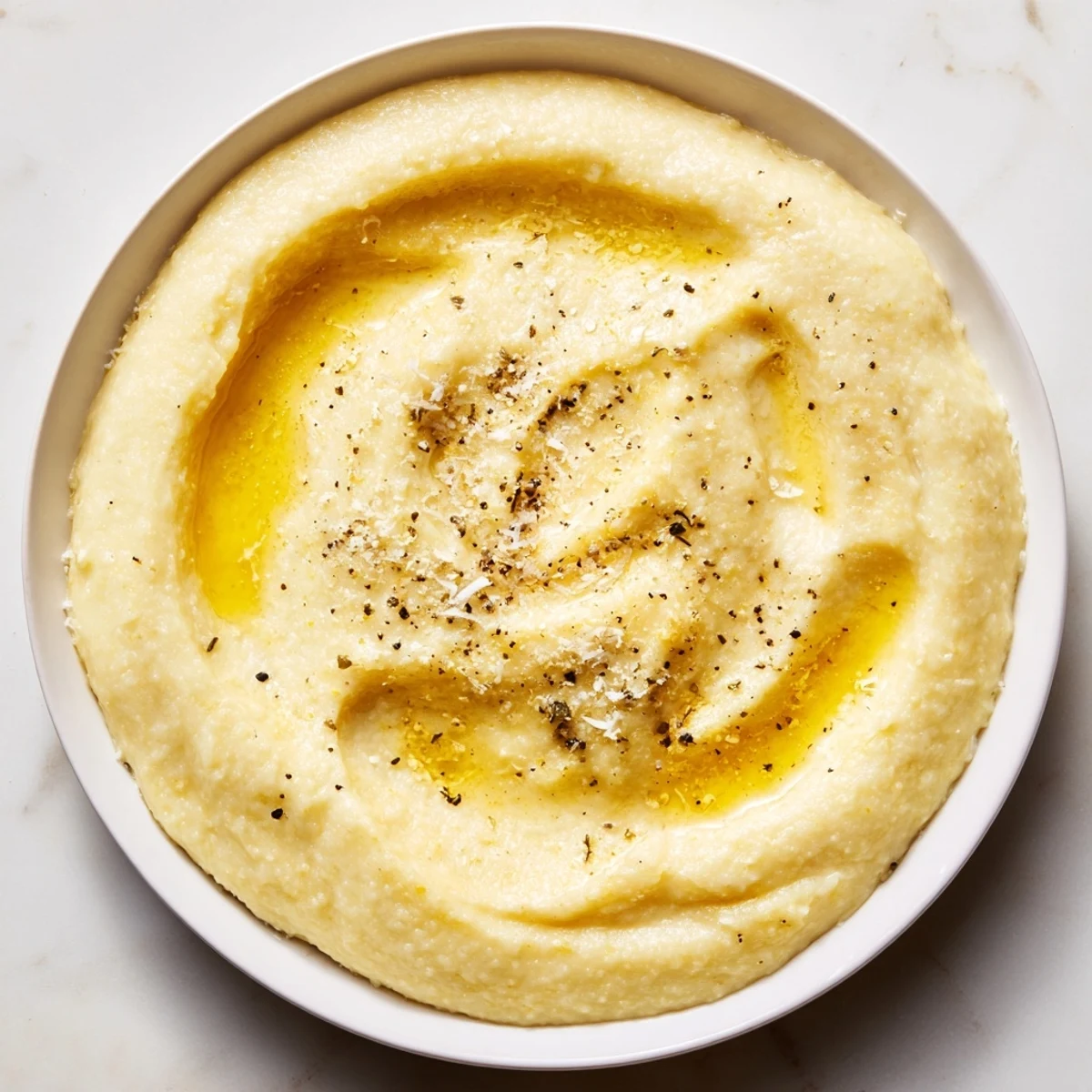
 This creamy Italian-style polenta combines coarse cornmeal cooked slowly to a tender consistency with butter, Parmesan cheese, and milk for a rich, smooth texture. It offers a comforting balance of flavors ideal alongside roasted vegetables, braised meats, or mushroom dishes. Preparation is straightforward, starting with boiling water and salt, then gradually whisking in cornmeal to avoid lumps, followed by simmering and enrichment for deep creaminess. Seasoned simply with black pepper, this dish highlights classic Italian comfort without fuss.
I first discovered the magic of creamy polenta on a chilly autumn evening in a small trattoria tucked away in the hills of Tuscany. The chef stirred a copper pot with such care and patience, and when I tasted that silky, golden spoonful, I understood why Italians have perfected this humble dish for centuries. What started as a simple peasant staple transformed into something so luxurious and comforting that I knew I had to learn to make it myself. Now, whenever I stir a pot of polenta on my own stove, I'm transported back to that moment—and my kitchen fills with the same warmth I felt that night.
I remember serving this to my book club one winter evening, and the group fell silent the moment they tasted it. No one expected something so simple could be so satisfying. One friend asked for the recipe right there at the table, and I realized polenta had that rare quality—it feels indulgent but never fussy, impressive but honest.
Ingredients
- Water: Four cups is your foundation—it gives the polenta room to absorb and bloom. I learned the hard way that skimping here results in a grainy, dense outcome rather than that creamy dream.
- Coarse cornmeal (polenta): One cup is the magic ratio. Make sure it's truly coarse cornmeal, not fine cornflour—the texture difference is everything. Buy it from the bulk section if you can; it's fresher and kinder to your wallet.
- Salt: One teaspoon in the cooking water is essential. It seasons as the polenta hydrates, so don't skip this step or add it all at the end.
- Unsalted butter: Two tablespoons stirred in at the very end transforms polenta from good to silk. Use real butter—it makes a difference you can taste.
- Freshly grated Parmesan cheese: Half a cup, grated fresh if possible. Pre-grated cheese has anti-caking agents that prevent it from melting as smoothly. The flavor is also brighter and more alive.
- Whole milk: Half a cup adds the final whisper of luxury. Don't use skim; the fat is what makes it truly creamy. Taste as you go—you might want a splash more depending on your preference.
- Freshly ground black pepper: Added at the end to taste. A good grind tastes alive in a way pre-ground pepper simply cannot match.
Instructions
- Bring your water to a rolling boil:
- Pour four cups of water into your medium saucepan and add the salt. Let it come to a proper boil over medium-high heat—you want it truly bubbling and eager, not just steaming. This is when you take a breath and settle in, because the next step requires your full attention.
- Whisk in the cornmeal slowly and deliberately:
- Here's where patience saves you. Lower the heat slightly if needed, then pour the polenta in a thin stream while whisking constantly. Imagine you're teaching the cornmeal to swim in the water rather than dumping it in all at once. Keep whisking—no lumps allowed. This takes about two minutes, and it's the most important two minutes of the whole process.
- Reduce heat and settle in for the long stir:
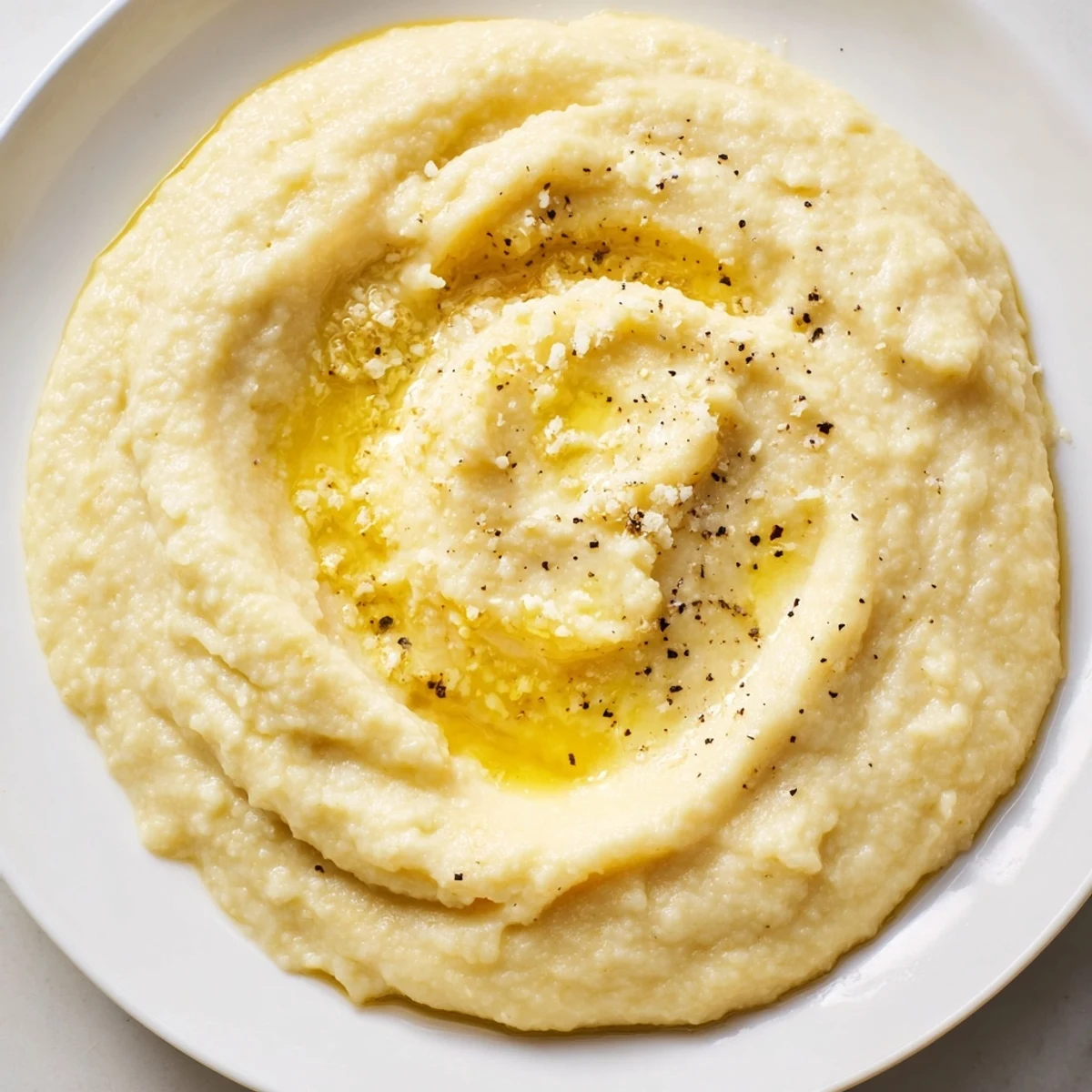
- Once the cornmeal is incorporated, lower the heat to low and switch to a wooden spoon. Now comes the meditative part: stir frequently, every few minutes, for about 25 to 30 minutes. The polenta will begin to bubble gently like a sleeping dragon. You'll notice it thicken gradually, and the raw cornmeal taste will fade away. The polenta is done when it's creamy, thick enough that your spoon leaves a trail that slowly fills back in, and the individual grains have softened completely.
- Remove from heat and enrich it:
- Take the pot off the heat and immediately stir in the cold butter until it melts into silky ribbons. Now add the freshly grated Parmesan and half cup of milk, stirring gently but thoroughly. Taste it. If you want it creamier, add a splash more milk. If it needs more cheese, add it now. This is your moment to make it exactly what you want.
- Season and serve while it's warm:
- Finish with a generous grind of black pepper and adjust the salt if needed. Remember, you already salted the water, so taste first before adding more. Pour into bowls or onto plates while it's still steaming, and serve immediately with whatever toppings call to you.
 Pin Recipe
 There was a moment during one of those long stirring sessions when my daughter wandered into the kitchen, drawn by the warm, toasted corn smell. She climbed onto a stool next to me, and I let her take a turn with the spoon. We stirred together in comfortable silence, and she asked why this simple dish required so much attention. I told her it was because good things deserve patience, and that's when polenta stopped being just dinner and became a lesson we both needed.
The Art of Stirring
Many people fear polenta because they've heard horror stories about it scorching or clumping. The truth is simpler: polenta just wants to be noticed. It's not complicated or temperamental—it simply asks for your presence and your attention. A wooden spoon in hand, stirring every few minutes, becomes almost meditative. Some of my best thinking happens during those 30 minutes. There's something about the rhythm that settles the mind while the cornmeal slowly transforms into silk.
Pairing and Serving Suggestions
Creamy polenta is endlessly generous—it plays well with almost everything. I've served it beneath a glossy beef ragù, under sautéed mushrooms that have been coaxed into deep caramelized sweetness, and even as a bed for roasted vegetables with a drizzle of good olive oil. It's equally at home as a side dish for braised short ribs or as the foundation for a vegetarian main course. The beauty of polenta is that it enhances without overwhelming, supporting the star ingredients with its luxurious texture and subtle corn flavor.
Variations and Flavor Adventures
Once you've mastered the basic recipe, polenta becomes your canvas. I learned to stir in fresh herbs during the last minute of cooking—rosemary adds a piney earthiness, thyme brings herbal grace, and sage lends a slightly peppery sophistication. Some evenings I've substituted a quarter of the water with chicken or vegetable stock for deeper flavor. For extra indulgence, I've replaced some of the milk with cream, creating something almost dessert-like in its richness. The formula stays the same, but these small changes reveal new dimensions every time you cook.
- Try a mixture of butter and a good quality olive oil instead of butter alone for a more complex flavor.
- Fresh herbs stirred in at the end—rosemary, thyme, or sage—add garden freshness without overwhelming the dish.
- A pinch of nutmeg whispered into the finished polenta creates an unexpected warmth that guests will taste but not identify.
 Pin Recipe
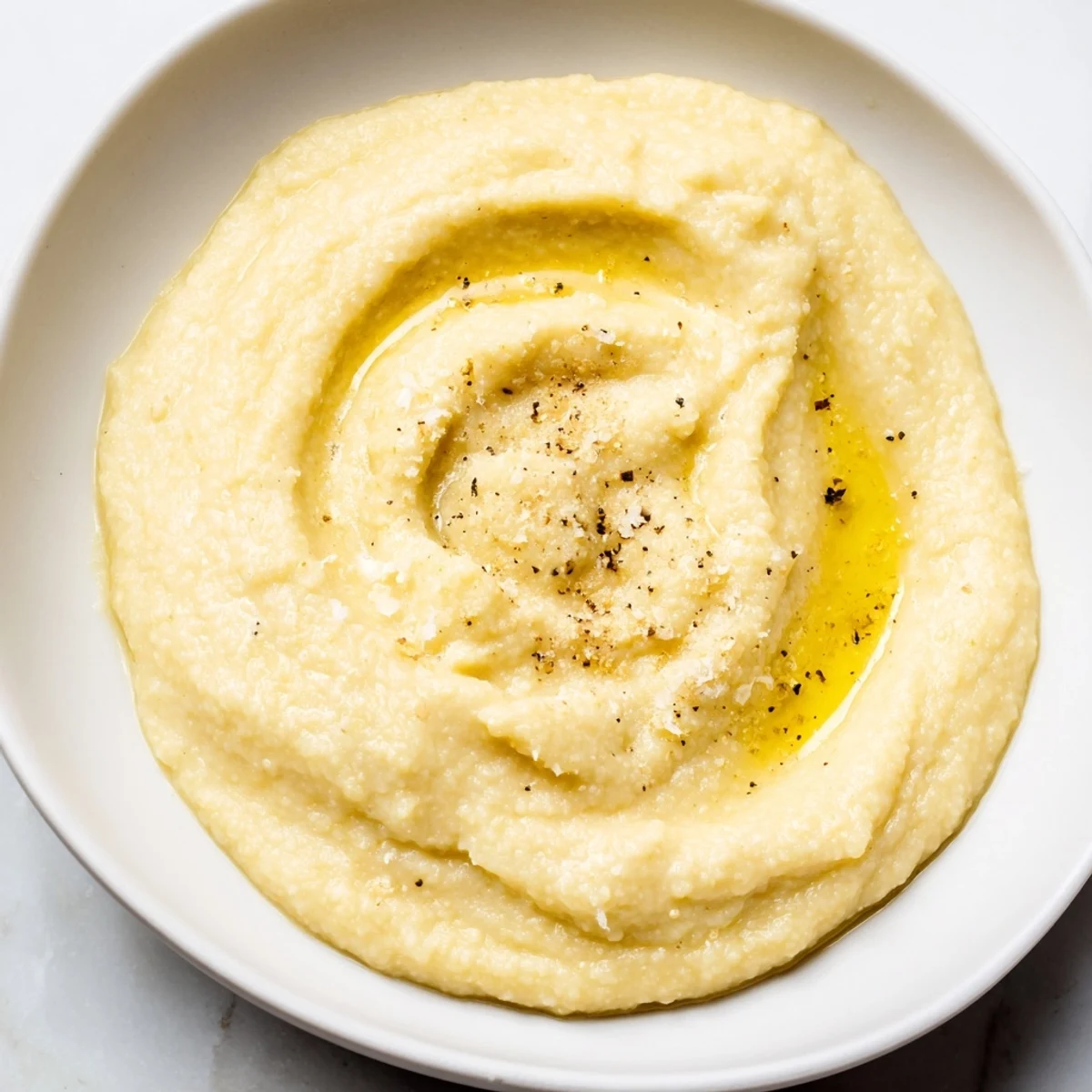
 Polenta taught me that the most nourishing meals don't require complexity—just good ingredients, your full attention, and the willingness to slow down. Every time I make it, I'm grateful for that quiet lesson.
Recipe FAQs
- → What type of cornmeal is best for creamy polenta?
-
Coarse cornmeal provides the ideal texture, allowing the polenta to become tender yet slightly grainy, which is key for an authentic feel.
- → How can I make the polenta extra creamy?
-
Adding butter, Parmesan cheese, and milk or cream towards the end of cooking enhances creaminess and richness.
- → What is the ideal cooking time for tender polenta?
-
Simmering the polenta for about 25 to 30 minutes with frequent stirring ensures a smooth, tender texture without lumps.
- → Can herbs be added for flavor variation?
-
Yes, stirring in fresh herbs like rosemary or thyme adds aromatic depth and complements the creamy base.
- → What dishes pair well with creamy polenta?
-
It pairs beautifully with braised meats, sautéed mushrooms, and roasted vegetables, providing a warm, satisfying accompaniment.
