
 Pin Recipe
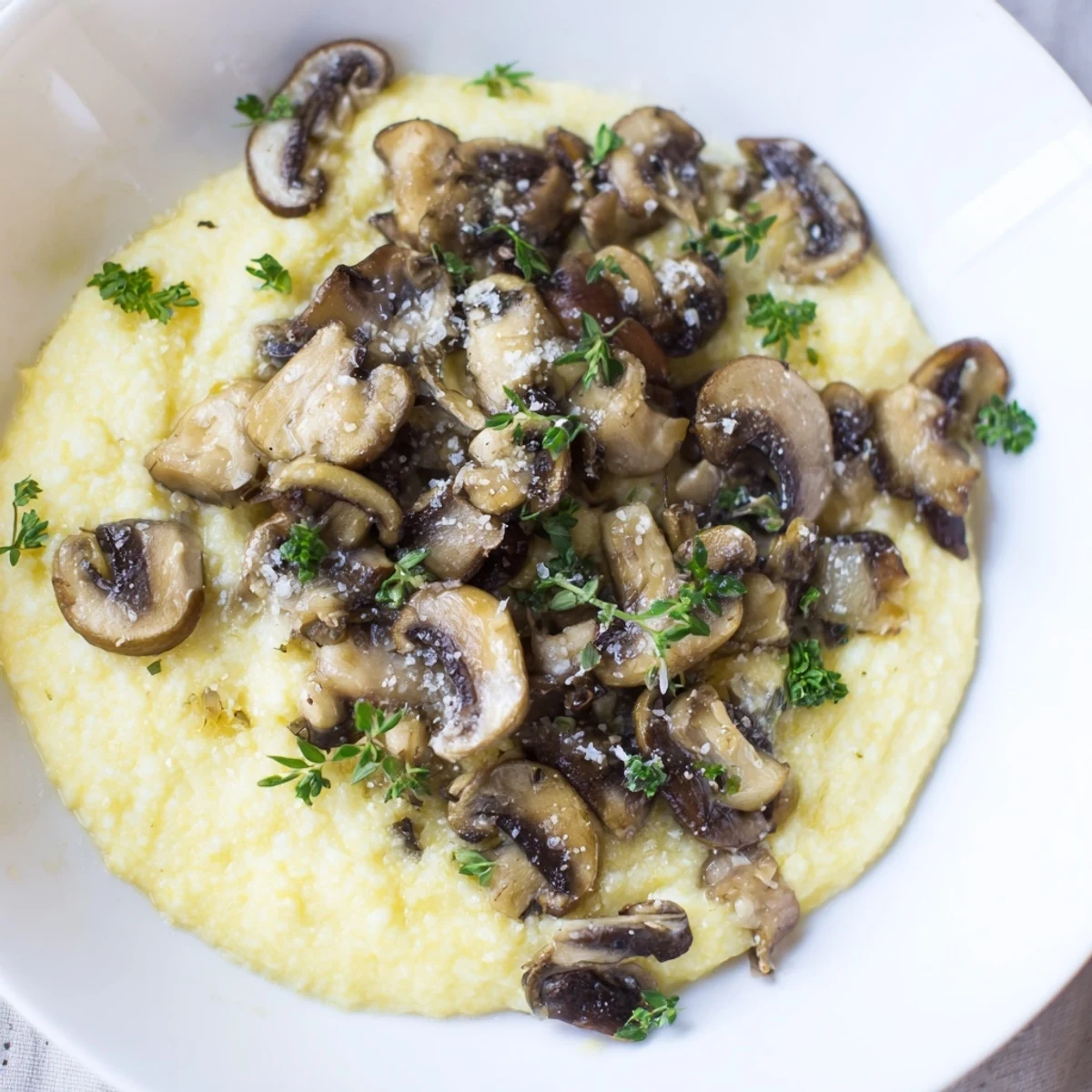
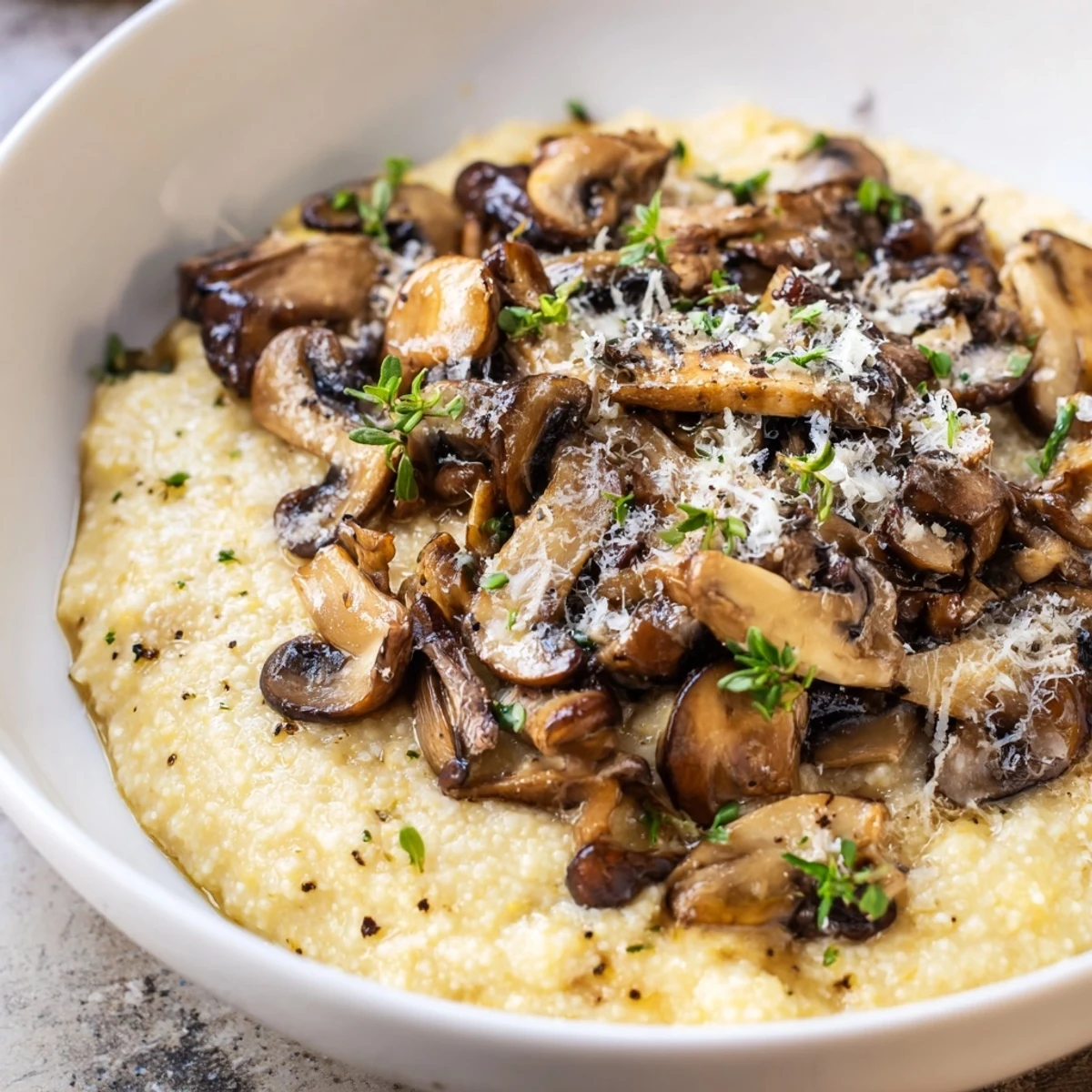
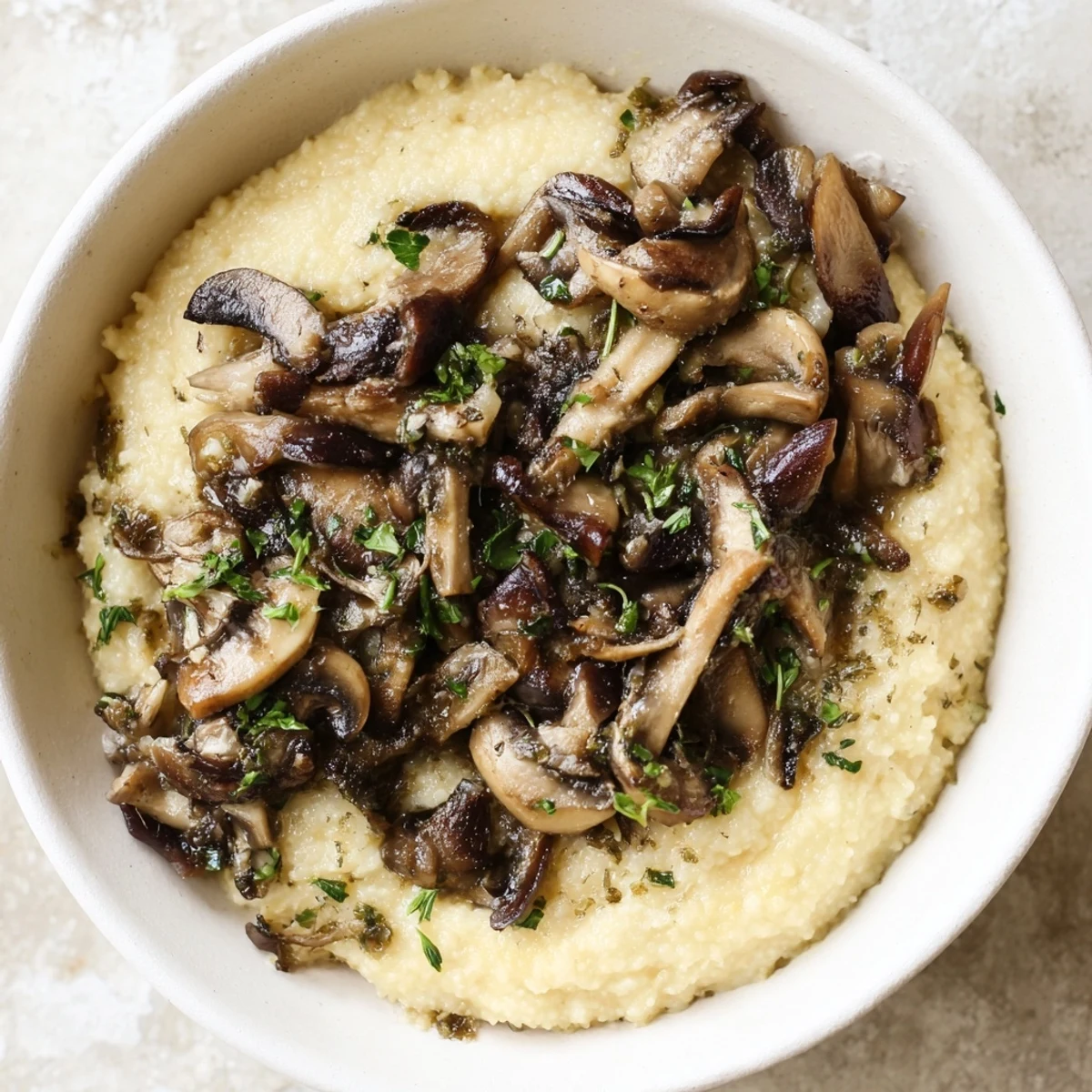
 This dish features smooth, creamy polenta made from coarse cornmeal simmered in milk and water until tender. It's enhanced with butter and Parmesan for richness and a perfect balance of seasoning. The highlight is a sautéed topping of assorted wild mushrooms combined with garlic, shallots, white wine, and fresh thyme, bringing out deep earthy flavors. Finished with fresh parsley and optional Parmesan garnish, this comforting main offers rustic Italian flavors ideal for any season.
There's something about standing over a pot of polenta that makes time slow down. I'd been living in a tiny apartment with barely any counter space when a friend brought over a basket of wild mushrooms from the farmer's market, and I realized I had no choice but to get creative. Polenta seemed like the obvious answer—creamy, forgiving, and ready to cradle whatever I could sauté alongside it. That first bowl changed how I thought about weeknight cooking.
I made this for a dinner party once when my oven broke and I needed something that wouldn't require it, and everyone crowded into the kitchen instead of the living room. They watched the polenta bubble and thicken, smelled the garlic and thyme hitting the hot butter, and by the time we sat down to eat, the whole evening felt less like a dinner party and more like a kitchen gathering. That's when I knew this dish had something special.
Ingredients
- Coarse cornmeal (polenta): Don't grab the instant kind by mistake—it won't have the same texture or depth of flavor.
- Whole milk: This adds richness that water alone can't give, and it keeps the polenta from tasting one-dimensional.
- Unsalted butter: You're controlling the salt level, so unsalted lets you be intentional.
- Parmesan cheese: Freshly grated if you can manage it; it melts differently and tastes sharper than pre-shredded.
- Mixed wild mushrooms: Cremini, shiitake, and oyster each bring their own personality—use whatever looks freshest.
- Dry white wine: The acidity cuts through the richness and the alcohol cooks off, leaving behind a subtle brightness.
- Fresh thyme and parsley: These aren't optional; they're what lifts the whole dish from heavy to balanced.
Instructions
- Bring water and milk to a gentle simmer:
- Medium heat is your friend here—you're not rushing. Add salt to the liquid before anything else so every grain of cornmeal is seasoned from the start.
- Whisk in the cornmeal slowly:
- Pour it in like you're being deliberate about it, whisking constantly to break up any lumps that try to form. This is the moment that matters most.
- Let it bubble and thicken on low heat:
- Stir every few minutes and listen for the rhythm of the wooden spoon scraping the bottom—that sound means it's cooking evenly. Twenty-five to thirty minutes of this, and it'll go from grainy soup to something velvety and rich.
- Finish with butter, cheese, and pepper:
- Stir these in off the heat so the cheese doesn't scramble. Taste as you go and adjust salt carefully—polenta soaks up seasoning differently than other dishes.
- Heat oil and butter for the mushrooms:
- Get the pan hot enough that the butter foams immediately when it hits, but not so hot that it burns. This is where the sauté starts to matter.
- Cook the shallot and garlic first:
- They'll soften and sweeten just enough to lay a flavor base for the mushrooms. One minute for shallot, thirty seconds for garlic—no longer.
- Add mushrooms and let them sit:
- They need space in the pan to brown, not steam. Stir only every minute or so and you'll get golden edges that taste almost nutty. Once they release their liquid, keep cooking until that liquid evaporates—usually six to eight minutes total.
- Pour in wine and thyme:
- The wine hits the hot pan and sizzles immediately, and that sizzle is doing something—cooking off the alcohol while the thyme releases its oils. Two minutes is enough.
- Finish with salt, pepper, and parsley:
- Parsley added at the end stays bright and alive instead of turning dark. Taste the mushrooms one more time before you plate.
- Spoon and top:
- The polenta should be creamy enough to hold its shape but soft enough to just sit there quietly on a spoon. Pile the mushrooms on top and let them make the dish their own.
 Pin Recipe
 The first time someone told me they'd made this dish at home after tasting it at my place, I felt something shift. It wasn't fancy or complicated, but it had somehow become theirs too—passed along like a small piece of a dinner party memory. That's what I love about recipes like this one.
Why Polenta Works
Polenta has this quiet power—it's humble and patient, willing to be the background to whatever you put on top. I used to think it needed cream or complicated sauces to be worth eating, until I realized that the cornmeal itself, cooked slowly with milk and butter, already knows what it's doing. It tastes like comfort without any fuss, and that's rare in cooking.
Choosing Your Mushrooms
The beauty of wild mushrooms is that they each taste like something different—cremini are earthy and mild, shiitake bring an almost smoky depth, oyster mushrooms are delicate and sweet. I started using a mix because I got impatient one day and grabbed whatever was in the farmers market bin, and the combination turned out to be more interesting than using just one type. Now that's what I do every time.
Timing and Pacing in the Kitchen
The thing about this dish is that both parts—polenta and mushrooms—need attention but not at the same time. Start the polenta first so it has those thirty minutes to transform, then begin your mushrooms around the halfway point. By the time the mushrooms are golden and the wine has cooked down, your polenta is ready to plate. There's an ease to the timing if you think about it this way.
- If guests are coming, start the polenta about forty minutes before you want to eat.
- You can prep all your mushrooms and garlic and shallots hours ahead—having everything ready means the actual cooking is just assembly.
- Taste everything before plating; mushrooms and polenta both absorb salt differently depending on how much liquid they've released.
 Pin Recipe
 This is the kind of meal that makes people want to linger at the table talking about food and life, which is really the only measure of a recipe that matters. Make it and watch what happens.
Recipe FAQs
- → What type of cornmeal is best for creamy polenta?
-
Coarse cornmeal is ideal as it cooks slowly, creating a smooth and creamy texture without becoming gummy.
- → Can I use other types of mushrooms for the topping?
-
Yes, a mix of wild or cultivated mushrooms like cremini, shiitake, or oyster enhances flavor with varied textures.
- → How do you prevent lumps when cooking polenta?
-
Slowly whisk cornmeal into simmering water and milk while stirring continuously until thickened to avoid lumps.
- → What herbs complement the mushroom topping?
-
Fresh thyme and parsley add an earthy, aromatic quality that brightens the rich mushroom flavors.
- → Is it possible to make this dish vegan?
-
Yes, substitute plant-based milk and vegan butter, and omit the Parmesan to keep it dairy-free while maintaining creaminess.
