
 Pin Recipe
 Fresh garlic cloves bring bold flavor and depth to savory dishes. Begin by separating cloves from the bulb, then gently crush each with the flat side of a knife to loosen the skin. Peel carefully, trim the root, and mince, slice, or crush as needed. To mellow the taste, roasting peeled cloves at 350°F for 20–25 minutes works well. Store peeled cloves sealed in the fridge for up to a week to maintain freshness.
My grandmother kept a ceramic jar of garlic cloves on her kitchen counter, and the smell of it became inseparable from the idea of home cooking. Years later, I realized that knowing how to properly prepare a single clove—to release its papery skin with a confident knife press, to coax out its sweetness or bite depending on how I cut it—was the foundation of everything she made taste the way it did. There's no technique I've learned that matters more than this one.
I remember a friend who always ordered takeout because she thought home cooking was intimidating, watching me press a garlic clove and having this small moment of realization—that some of the best skills in the kitchen look deceptively simple. She started cooking that night, and it began with garlic. Now she texts me photos of her dinner parties.
Ingredients
- Fresh garlic cloves: The real deal matters here; look for bulbs that feel firm and heavy for their size, with papery skin that hasn't dried out or sprouted green shoots. Two cloves yield about a tablespoon of minced garlic, enough to anchor most savory dishes.
Instructions
- Separate your clove:
- Pull one clove away from the bulb with a gentle twist or firm tug; you'll feel it release. The papery layers should stay mostly intact at this stage.
- Press to loosen the skin:
- Lay the clove flat on your cutting board, place the flat side of your chef's knife over it, and press down with the heel of your hand using your body weight—you'll hear a crack, feel the clove yield beneath the blade. This small violence is what frees the skin so easily.
- Peel and trim:
- The skin should now slip off with just your fingertips; pull it away and trim the dry root end with a quick knife stroke. What's left is the pale, smooth clove ready for whatever comes next.
- Finish as needed:
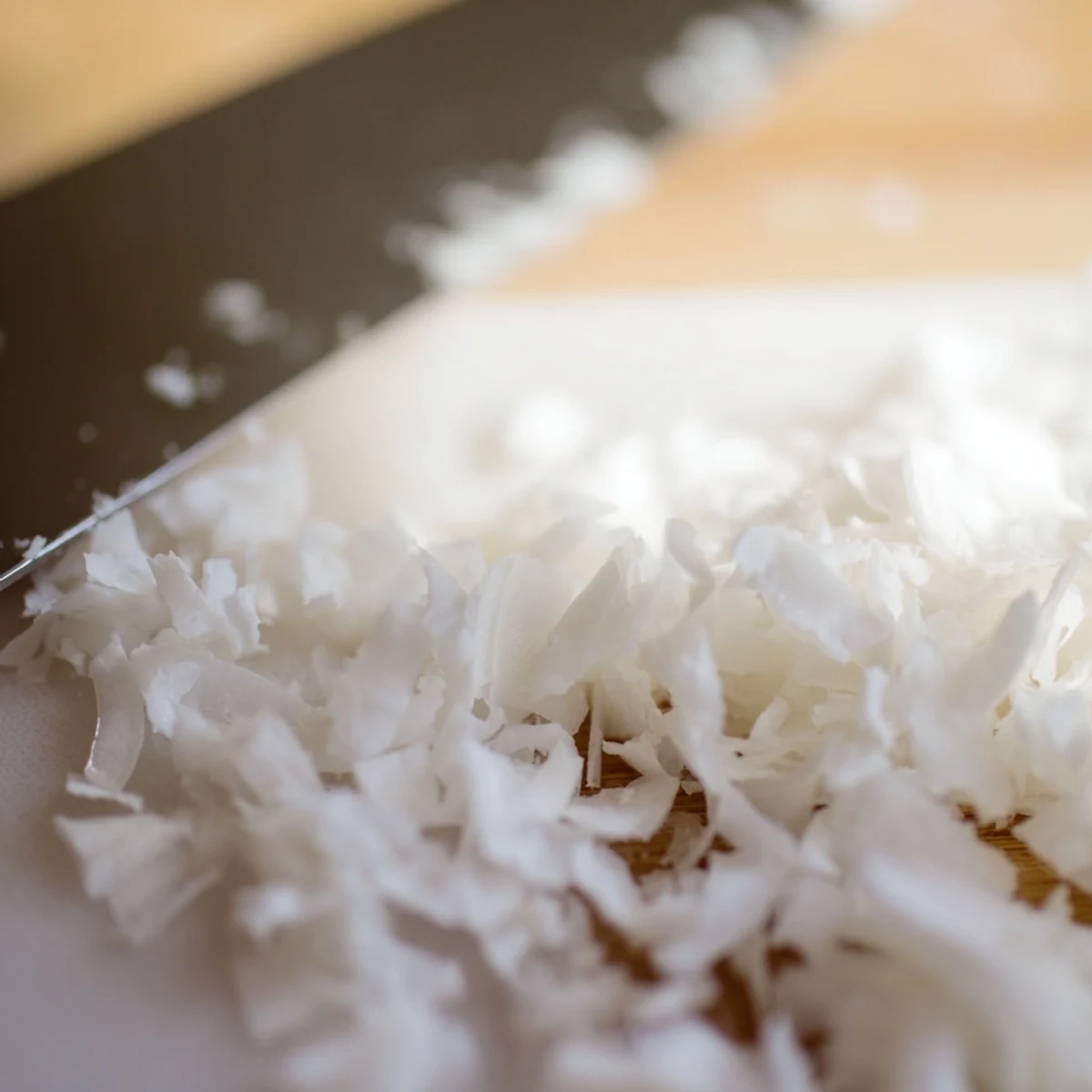
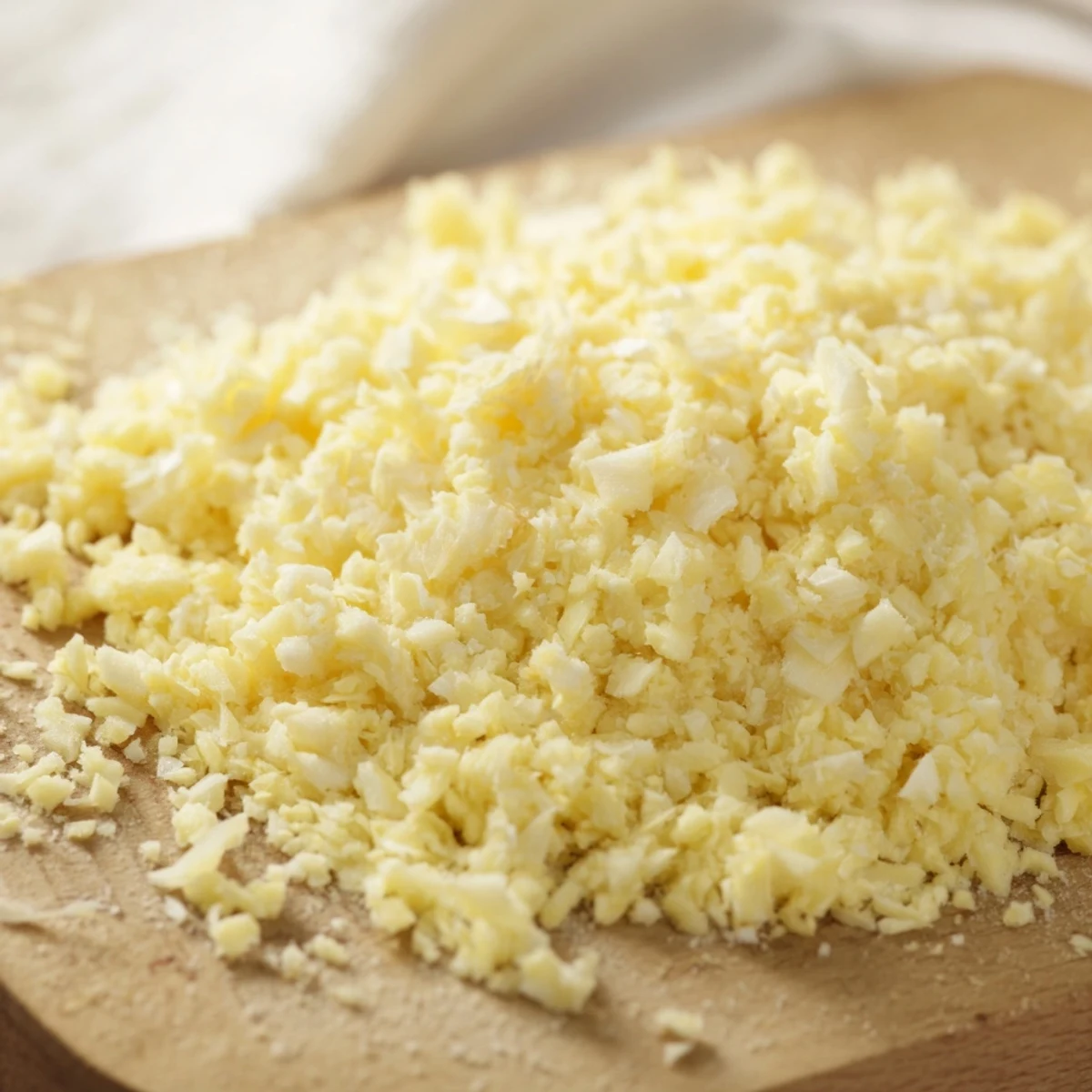
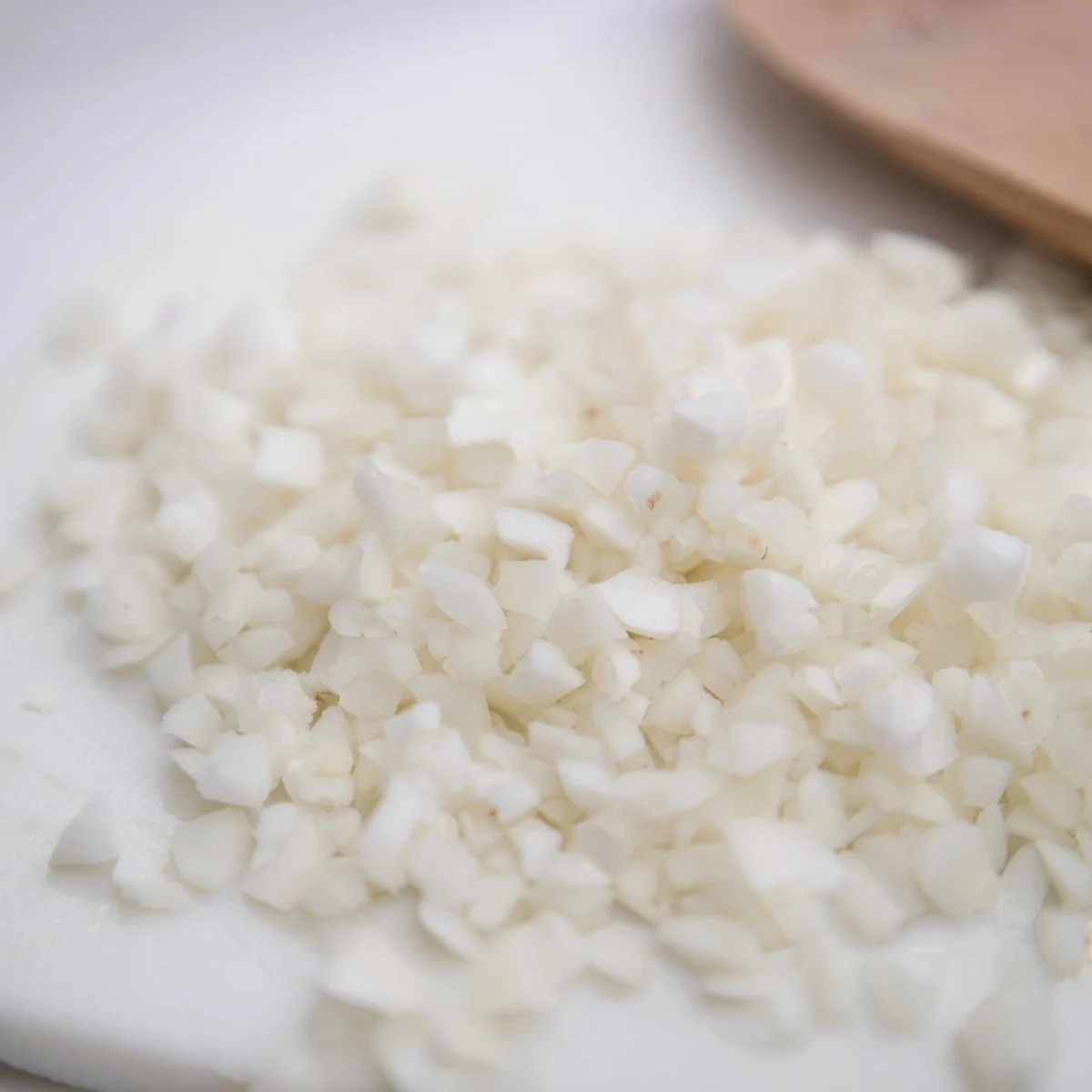
- Slice it thin for gentle dishes, mince it fine for bold flavor, or crush it completely to release every last drop of pungency. The cut you choose changes everything about what the clove gives to your food.
 Pin Recipe
 There was an afternoon when I taught someone to cook their first dinner alone, and they called me mid-preparation in a small panic because they'd never peeled garlic before. By the time they pressed that first clove and felt the papery skin give way, I heard the relief in their voice—they realized that cooking wasn't about following rules perfectly, it was about understanding one small thing deeply and building from there.
When to Use Fresh vs. Powder
Fresh garlic brings brightness and a living texture to raw applications like salads, marinades, and fresh salsas where you want its bite to cut through. Garlic powder works beautifully in dry rubs, soups, and slow-cooked dishes where you need even distribution and a mellower presence; substitute half a teaspoon of powder for each fresh clove if that's what you have.
The Roasting Secret
If raw garlic feels too aggressive or you're cooking for someone hesitant about its flavor, peel your cloves and roast them at 350°F for twenty to twenty-five minutes until they're golden and smell like toasted honey. They become almost sweet, almost creamy, almost a different ingredient entirely—it's worth doing this occasionally just to understand garlic's full range.
Storage and Longevity
Peeled cloves last about a week in a sealed container in your refrigerator, though they'll start to dry out around day five. Whole unpeeled bulbs sit happily in a cool, dark spot on the counter for weeks, which is why keeping them accessible matters—the easier they are to grab, the more likely you'll use them.
- An unpeeled bulb in the pantry stays fresh longer than peeled individual cloves.
- If a clove has sprouted a green shoot inside, slice it out; the rest is still good and that green part tastes bitter anyway.
- Never store garlic in the refrigerator unpeeled, as cold and moisture create the conditions for mold.
 Pin Recipe
 Garlic doesn't ask much from you, just a few seconds of attention and the willingness to trust your knife. Once you know how, you'll do it without thinking, the same way my grandmother did.
Recipe FAQs
- → How do I easily peel garlic cloves?
-
Press the garlic clove gently with the flat side of a chef’s knife to loosen the skin, then peel away the papery layers.
- → What are alternative ways to prepare garlic cloves?
-
You can mince, slice, or crush garlic depending on the texture and intensity desired in your dish.
- → Can I alter garlic flavor for milder taste?
-
Roasting peeled cloves at 350°F for 20–25 minutes softens and sweetens their flavor.
- → How should peeled garlic cloves be stored?
-
Keep peeled cloves in a sealed container in the refrigerator to preserve freshness up to one week.
- → Are there substitutions if fresh garlic is unavailable?
-
Half a teaspoon of garlic powder can substitute for one fresh clove when necessary.
