
 Pin Recipe
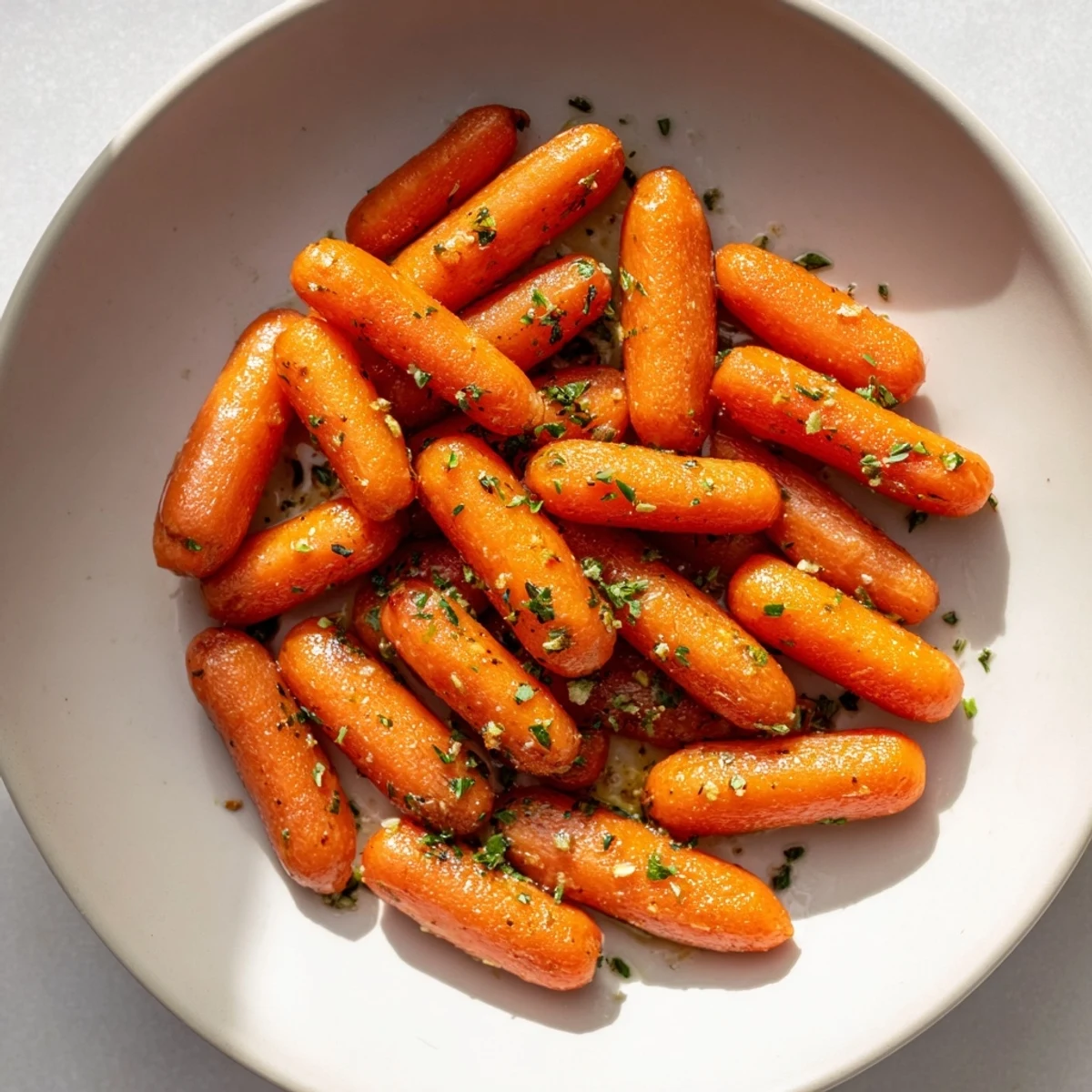
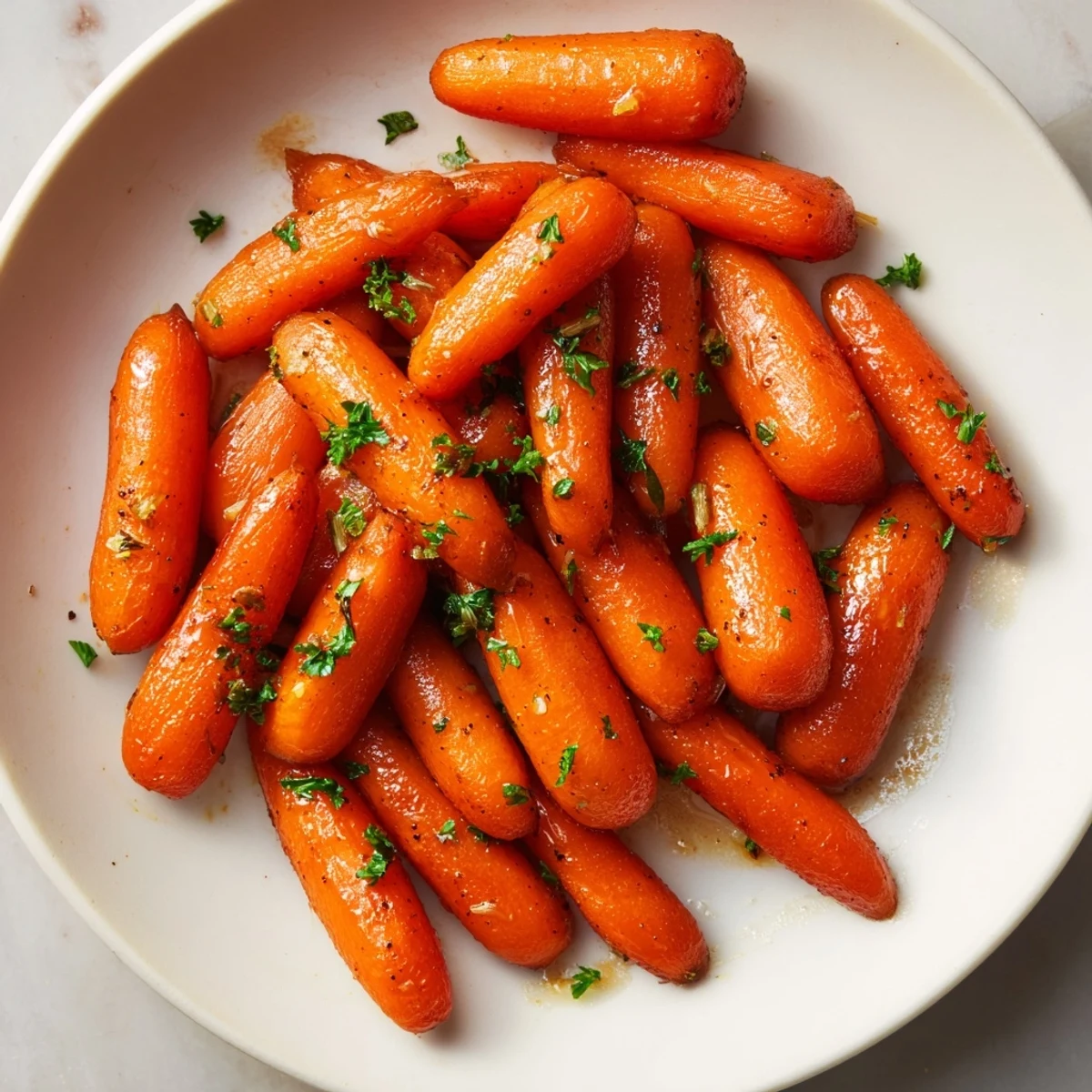
 This dish features tender baby carrots tossed in olive oil, minced garlic, thyme, salt, and pepper, then roasted until caramelized. The roasting enhances natural sweetness, while fresh parsley adds a bright finish. Perfect as a simple, flavorful side that complements various main courses. Try adding lemon juice or swapping herbs to vary the profile.
I still remember the first time I roasted baby carrots with garlic—it was a Sunday dinner at my parents' house, and I was tasked with bringing a side dish. I grabbed whatever looked good at the market: these petite, candy-colored carrots that promised something special. Twenty minutes in a hot oven with a handful of garlic cloves and fresh herbs, and suddenly the kitchen filled with the most incredible aroma. My mom peeked over and said, "You made those?" That simple reaction taught me that sometimes the most impressive dishes are the ones that ask the least of us. Now, I make these whenever I want to feel like I've got something figured out in the kitchen.
I served these at a dinner party last fall when a friend brought her new partner over. There was this moment when everyone went quiet mid-conversation, focused entirely on their plates, and I realized it was because of these carrots. Something about the way the roasted edges caramelized and the garlic infused every bite made them feel indulgent. That's when I truly understood: good cooking isn't about complexity. It's about coaxing out flavors that were already waiting there.
Ingredients
- 1 lb (450 g) baby carrots, peeled: These smaller varieties are sweeter than their full-sized cousins and roast evenly. I always peel mine to remove any grit, and the thinner skins cook down to nothing. If you can only find regular carrots, cut them into similar-sized batons so they roast at the same rate.
- 3 cloves garlic, minced: This is where the magic happens. Fresh garlic mellows significantly during roasting, becoming creamy and almost candy-like. Don't skip it or use powder—the transformation from sharp to subtle is essential.
- 1 tbsp fresh parsley, chopped (plus more for garnish): Fresh herbs make all the difference. The parsley stays bright and adds a fresh finish that balances the sweetness of the carrots. I learned to reserve some for the end—that final sprinkle makes the dish feel intentional.
- 1/2 tsp dried thyme (or 1 tsp fresh): Thyme is earthy and warm without being overpowering. If using fresh, add it with the fresh parsley at the end so it doesn't lose its delicate flavor in the oven heat.
- 2 tbsp olive oil: This is your carrier. Good olive oil coats the carrots evenly and helps them caramelize. Use something you'd actually taste—it matters here.
- 1/2 tsp sea salt: Season generously. Carrots need salt to taste like themselves. I learned this after years of underseasoned roasted vegetables.
- 1/4 tsp freshly ground black pepper: Fresh cracked pepper adds a subtle heat that wakes up the sweetness. Pre-ground loses its punch, so take 30 seconds to crack it fresh.
Instructions
- Preheat and prep your space:
- Turn your oven to 425°F (220°C) and line a baking sheet with parchment paper. This matters—the paper prevents sticking and makes cleanup almost effortless. I learned this the hard way years ago, scrubbing caramelized carrots off a bare sheet.
- Toss everything together:
- In a large bowl, combine your peeled baby carrots with the olive oil, minced garlic, dried thyme, salt, and pepper. Use your hands if you need to—really make sure every carrot gets coated. The oil should glisten on everything. This step takes just a minute, but it determines whether you get evenly roasted carrots or some burnt bits and some pale ones.
- Spread in a single layer:
- Pour the carrots onto your prepared sheet and spread them out so each one has room to breathe. They shouldn't be piled on top of each other. This is how they roast instead of steam, and where that caramelization magic happens.
- Roast with a stir:
- Pop them into the oven for 20–25 minutes. Halfway through, open the oven door and give them a gentle stir. You'll start to see the edges turn golden and caramelized—that's the natural sugars in the carrots beginning to concentrate. Your kitchen will smell incredible at this point.
- Finish with fresh herbs:
- Remove the hot baking sheet from the oven. While the carrots are still warm, sprinkle the fresh chopped parsley over top and give everything a gentle toss. The heat will just barely wilt the parsley, releasing its fresh green flavor throughout.
- Serve warm:
- Transfer to a serving dish while they're still warm. They hold their temperature well and are just as good when they cool slightly. That's another reason I make these—no need for constant reheating.
 Pin Recipe
 These carrots showed up at a potluck once, and someone asked for the recipe written down. I realized then that my sister had started requesting them for her kids' school lunches. It became one of those unexpected victories in the kitchen—a simple side that somehow made people feel cared for. That's what it's really about, I think.
Variations to Try
The beauty of this recipe is how easily it adapts to what you have on hand or what you're in the mood for. I've roasted these carrots with balsamic vinegar drizzled on top in the last minute of cooking—the sweetness deepens and creates this incredible sticky glaze. Another time, I added a touch of maple syrup to the oil mixture, which played up the natural sugars and felt almost like a holiday dish. You can swap the thyme for rosemary if you're serving alongside lamb or beef, or try dill if you're pairing these with fish. Even the color of your carrots can vary—I've used purple and yellow varieties, which roast beautifully and add visual interest to the plate.
Storage and Make-Ahead Tips
One of my favorite things about this recipe is that you can prepare it ahead. Toss your carrots with all the seasonings in the morning, cover the bowl, and refrigerate until dinner. They'll roast just the same, maybe needing a minute or two extra since they're starting cold. Leftovers keep beautifully in an airtight container for up to four days, and I've actually eaten them cold straight from the fridge as a snack—they're sweet enough to satisfy that urge without being dessert. You can reheat them gently in a 350°F oven for about 10 minutes if you want them warm again, though honestly, they don't need it.
Pairing Ideas and Serving Suggestions
These roasted carrots are the kind of side dish that plays well with almost anything. I serve them alongside herb-roasted chicken, where they pick up the savory notes from the pan drippings. They're equally at home on a vegetarian table with grains and other roasted vegetables, adding natural sweetness to balance earthier dishes. For smaller gatherings, I've plated them next to grilled fish, where their richness complements the delicate protein without overwhelming it. The garlic and thyme echo what you'd typically use with roasted meats, so they bridge the gap between vegetarian and omnivore tables beautifully.
- Serve these warm or at room temperature—they're flexible and honestly don't demand to be piping hot
- A squeeze of fresh lemon juice right before serving brightens everything and cuts through the richness just enough
- If you're doubling this recipe for a larger crowd, just spread the carrots on two baking sheets and roast them side by side
 Pin Recipe
 What started as a simple side dish has become one of those recipes I make whenever I want to feel capable in the kitchen. There's something grounding about roasting vegetables, about letting time and heat do most of the work while you step back and wait for the alchemy to happen.
Recipe FAQs
- → How can I tell when the carrots are perfectly roasted?
-
Look for tender texture with slight caramelization around the edges; stirring halfway ensures even roasting.
- → Can I substitute fresh thyme with other herbs?
-
Yes, dill or chives work well as alternatives, offering different but complementary herbal notes.
- → What is the best way to prepare baby carrots for roasting?
-
Peel the carrots and evenly coat them with olive oil, garlic, herbs, and seasoning to ensure balanced roasting.
- → How does adding lemon juice affect the flavor?
-
A squeeze of fresh lemon juice brightens the dish with subtle acidity, enhancing the roasted sweetness.
- → Is this dish suitable for gluten-free diets?
-
Yes, it contains no gluten ingredients and is safe for gluten-free preferences.
