
 Pin Recipe
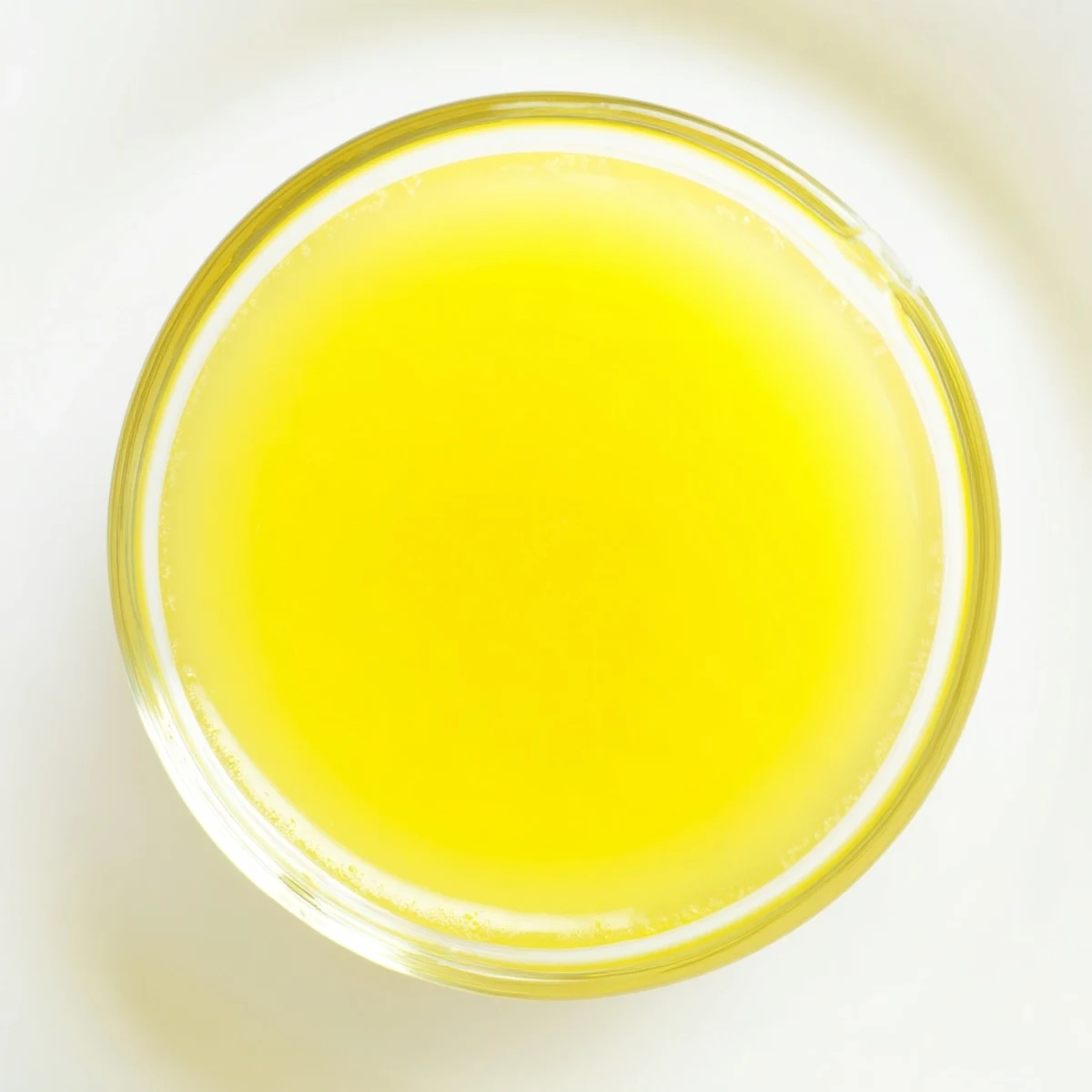
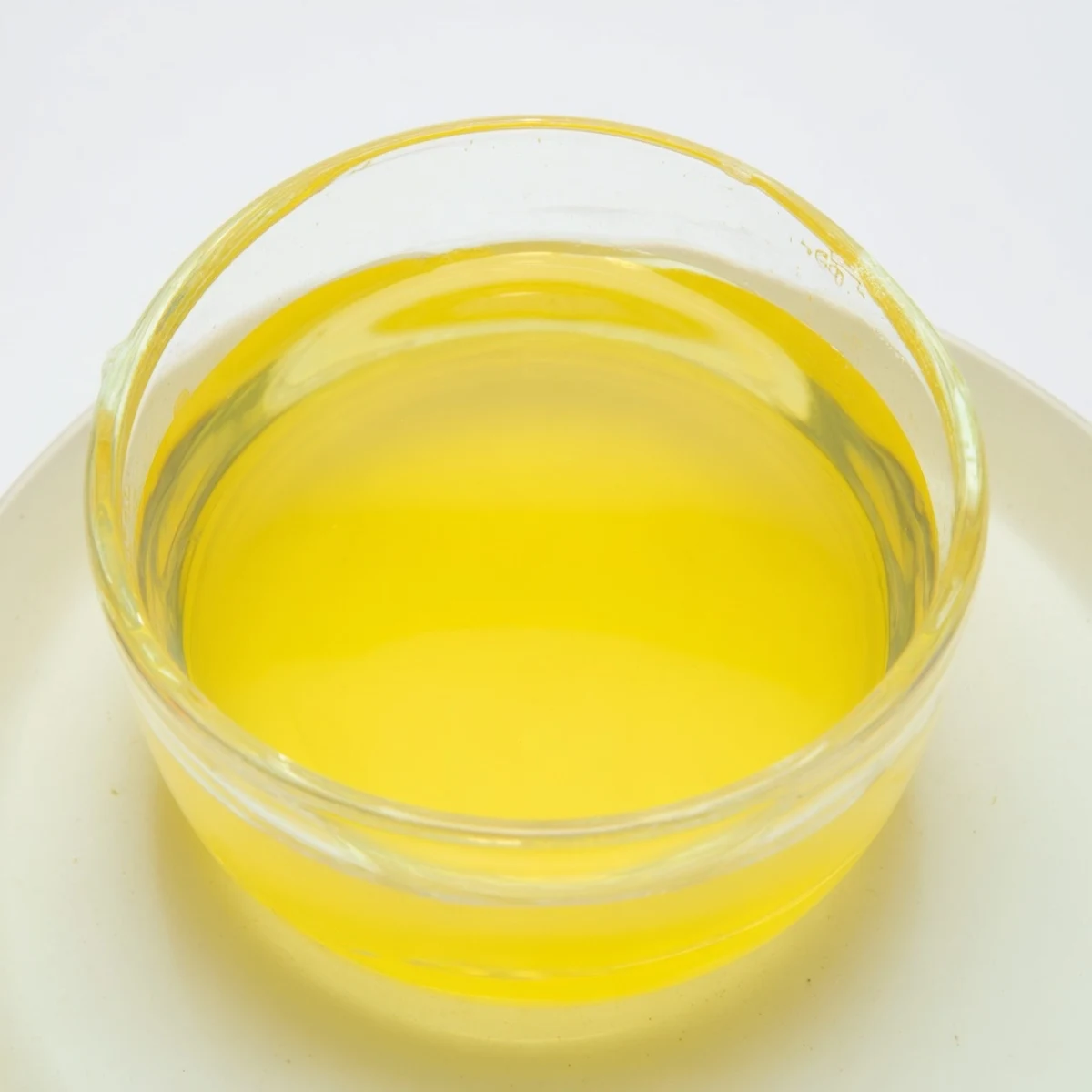
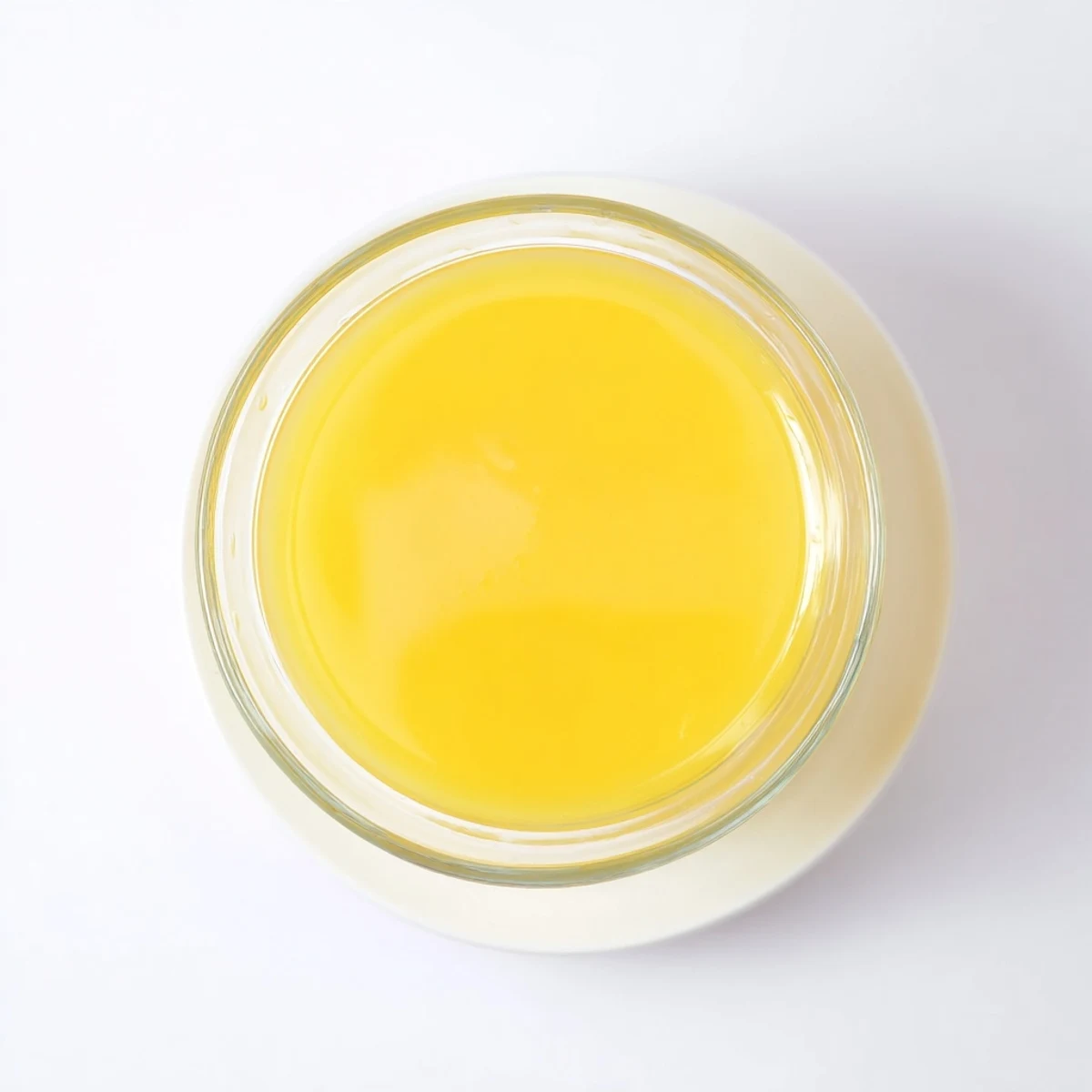
 Fresh lemon juice offers a bright and tangy flavor, enhancing drinks, dressings, marinades, and desserts. This simple preparation involves rolling, cutting, and juicing lemons, optionally sweetened with superfine sugar and a pinch of salt for extra balance. Use immediately or store chilled for up to three days. Warming lemons slightly before juicing boosts yield, while freezing juice in ice cube trays preserves freshness for months. Ideal for adding vibrant citrus notes in various culinary uses.
There's something almost meditative about squeezing fresh lemon juice—the way your hands warm the fruit, that first bright spray hitting your palm, the sudden shift from a yellow ball to liquid gold. I discovered the real power of homemade lemon juice during a humid summer when store-bought bottles just felt flat and tired. One afternoon, I grabbed three lemons from the farmers market, rolled them on my counter like I was giving them a massage, and everything changed. That sharp, clean taste became the backbone of almost every meal I made.
I remember making a salad for friends who always complained about dressing tasting the same everywhere, and when I dressed the greens with juice I'd squeezed that morning, someone actually asked what secret restaurant I'd stolen the recipe from. It wasn't a secret—just lemons treated with a little intention and warmth.
Ingredients
- 3–4 medium lemons: Pick ones that feel heavy for their size, a sign they're packed with juice. Room-temperature lemons always yield more than cold ones straight from the fridge.
- Superfine sugar (optional, 1 tsp): For those moments when you want to balance tartness without making it a syrup.
- Salt (optional pinch): This tiny amount awakens the brightness and rounds out the sharpness in an unexpected way.
Instructions
- Wash and prepare the lemons:
- Rinse them under cold water, then hold one in your palm and roll it firmly on the counter for about 10 seconds. You'll feel it soften as the internal membranes start to break apart—that's when you know the juice will flow freely.
- Cut and juice:
- Slice each lemon in half crosswise, then use a citrus reamer or juicer to extract every drop. Press firmly and twist slightly to coax out the last bit of juice hiding near the center.
- Strain for clarity (optional):
- Pour the juice through a fine mesh strainer if you prefer it without pulp and seeds. Some people like the texture of pulp, so taste a spoonful first to decide.
- Season if desired:
- Stir in the sugar if you want a touch of sweetness, and add a tiny pinch of salt to deepen the flavor. Both are optional but make a real difference.
- Use or store:
- Use it immediately in dressings, drinks, or baking, or seal it in a jar for up to three days in the fridge. The flavor stays vibrant and clean.
 Pin Recipe
 I learned the power of lemon juice when I made a batch of ice cream one summer and added a squeeze of this fresh juice instead of reaching for vanilla extract. That bright note made everyone pause mid-bite and ask what was different. It was just one ingredient, but it felt like discovering color in a black-and-white room.
Making It Your Own
The beauty of fresh lemon juice is how honestly it shows what you're working with. There's nowhere to hide—no emulsifier or preservative softening the edges. Some days I make it slightly sweeter for drinks, other days I keep it sharp and unsweetened for marinades. Pay attention to what your kitchen needs and adjust accordingly.
Storage and Freezing
Fresh lemon juice is fragile and beautiful, so treat it with care. A sealed jar in the fridge keeps it bright for three days, but here's the trick I learned: freeze it in ice cube trays for up to three months. Pop out a cube whenever you need that burst of citrus without the waste of leftover juice browning in a bottle.
When to Reach for Fresh Lemon Juice
Fresh lemon juice earns its place in salad dressings, cocktails, baking recipes, and marinades—anywhere you want the citrus to shine without compromise. It's the ingredient that makes an ordinary green salad feel intentional, or that transforms a glass of sparkling water into something that tastes like a celebration. Use it generously and watch how quickly it becomes your most-reached-for condiment.
- A squeeze in pasta water lifts the whole dish without competing with sauce.
- In baking, it brightens flavors and adds moisture to cakes and cookies.
- Freeze it immediately after squeezing to capture peak brightness and prevent browning.
 Pin Recipe
 Making your own lemon juice isn't about being precious or slow—it's about choosing something real over something tired. Once you've tasted the difference, you'll understand why it matters.
Recipe FAQs
- → How can I extract more juice from lemons?
-
Warming lemons for 10 seconds in the microwave softens them, making juicing easier and increasing juice yield.
- → Is it necessary to strain lemon juice?
-
Straining removes seeds and pulp, resulting in a smoother juice ideal for dressings and drinks, but it's optional based on preference.
- → How long can fresh lemon juice be stored?
-
Store fresh lemon juice in a sealed container in the refrigerator for up to three days to maintain its bright flavor.
- → Can lemon juice be frozen?
-
Yes, freezing lemon juice in ice cube trays preserves its flavor for up to three months, perfect for longer storage.
- → What tools are recommended for juicing lemons?
-
A citrus juicer or reamer, a knife, and a fine mesh strainer help efficiently extract and clarify lemon juice.
