
 Pin Recipe
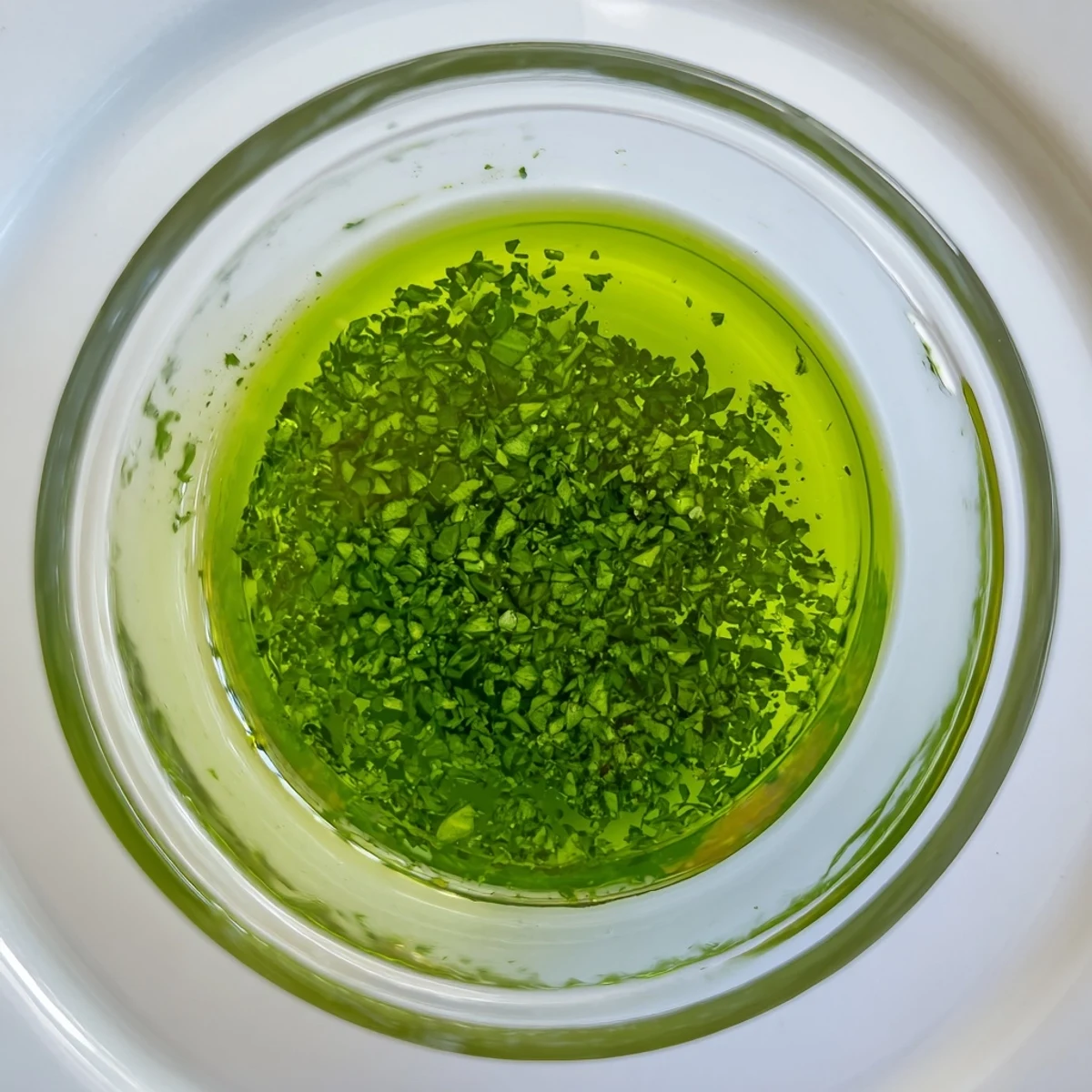
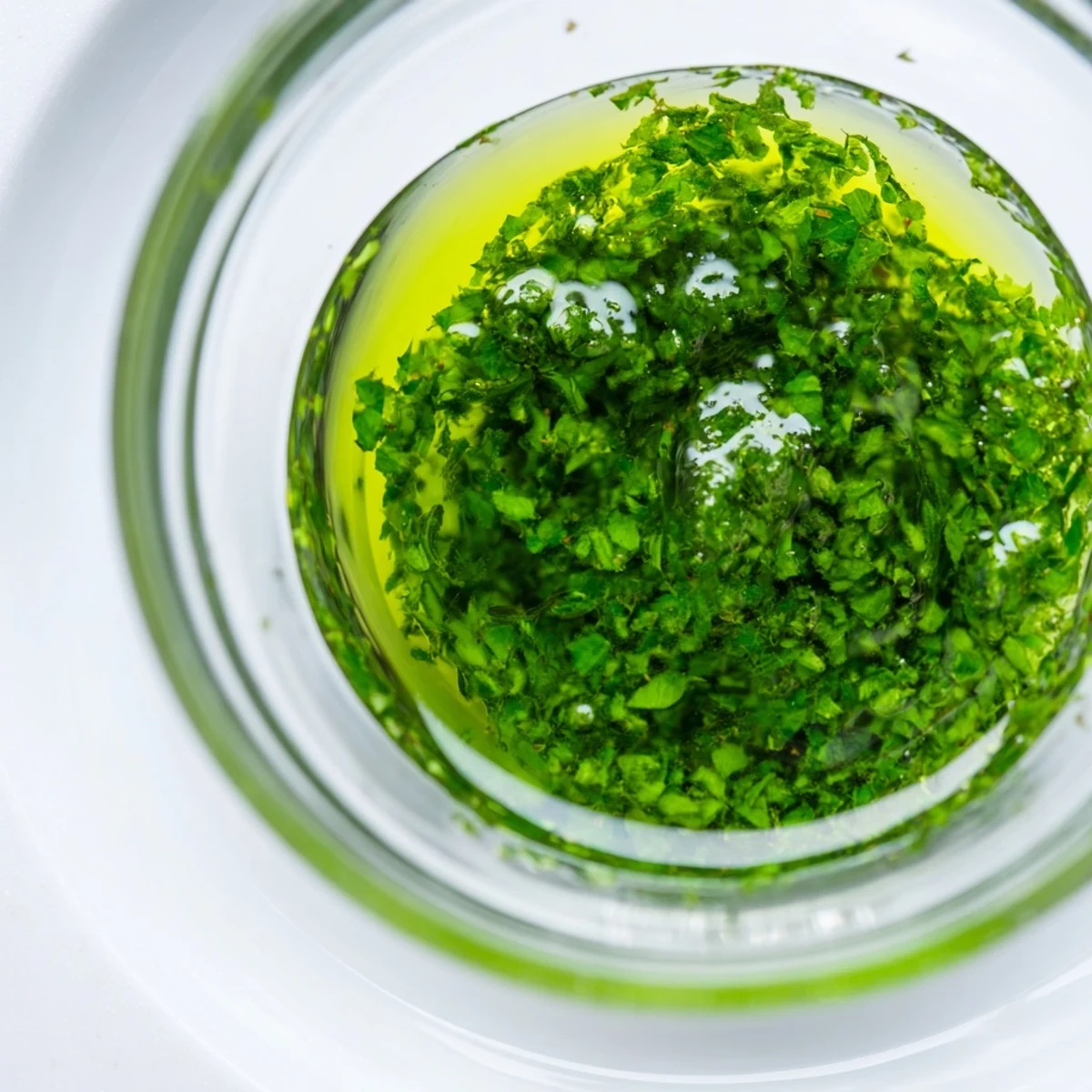
 This bright green oil blends fresh blanched mint leaves with a neutral oil to create a vibrant, aromatic infusion. Ideal as a finishing touch, it complements grilled meats, roasted vegetables, salads, or even desserts with a fresh herbal note. Preparation involves blanching mint leaves briefly, blending with oil, and straining for a smooth texture. Season lightly with salt and store refrigerated up to a week. Variations can include basil or cilantro for added depth. A simple, elegant condiment to elevate your dishes naturally.
There's something almost magical about the first time you taste a truly fresh mint oil—mine happened on a sunny afternoon when a friend brought one to a dinner party, and they drizzled it over grilled lamb with such casualness that I nearly missed the moment. The oil caught the light like liquid emerald, and the aroma that rose up was so clean and alive it felt like tasting summer itself. That night, I went home determined to make my own, and after a few experiments, I discovered that blanching the mint first is the secret to keeping that brilliant color and preventing any bitterness. Now it's become one of those things I keep on hand, ready to elevate whatever's on the plate.
I remember making this for a small garden dinner party last summer, and watching my guests' faces when they tasted it on roasted beets was worth every second of effort. One of them asked if I'd bought it at a fancy market, and I got to say casually, "Oh, I made it," which felt pretty good. It became the thing everyone asked about that night, more than the actual main course, which tells you something about the power of a really good finishing oil.
Ingredients
- Fresh mint leaves (1 cup, packed): Make sure they're truly dry after washing—any lingering water will dilute the oil and cloud its color, so pat them thoroughly with paper towels.
- Neutral oil (1 cup): Grapeseed and sunflower oils work beautifully because they let the mint shine without competing flavors, staying light on the palate.
- Salt (pinch, optional): A tiny pinch brings out the mint's natural brightness, but taste first and decide if your dish needs it.
Instructions
- Set up your cooling station:
- Bring a small pot of water to a boil and prepare a bowl of ice water nearby—you'll want everything ready because blanching happens fast and speed matters here.
- Blanch the mint gently:
- Drop the mint leaves into boiling water for exactly 10 seconds (count carefully), then plunge them straight into ice water to stop the cooking and preserve that brilliant green color. The ice bath is not optional—it's the difference between vibrant and dull.
- Dry and blend:
- Drain the mint well and pat it dry with paper towels until no moisture clings to the leaves. Add the blanched mint and oil to your blender and run it on high for 1–2 minutes until the oil transforms into a luminous green and the mint is completely pureed.
- Strain with patience:
- Pour the mixture through fine-mesh sieve or cheesecloth into a clean container, pressing gently on the solids to coax out every drop of that precious green oil without forcing debris through. This step determines whether your oil stays clear or turns cloudy, so take your time.
- Taste and store:
- Add a pinch of salt if you'd like, stir gently, and transfer to a sealed container for the refrigerator where it'll keep fresh for up to a week. Each time you open it, that smell will greet you like a good memory.
 Pin Recipe
 What surprised me most was discovering that this oil could make someone close their eyes and smile while eating simple roasted vegetables—there's something about the combination of heat and that fresh herbal brightness that reaches past hunger into pure pleasure. It reminded me that cooking isn't always about complexity; sometimes it's about finding one perfect finishing touch that makes people say, "What is that?"
When to Use Mint Oil
The beauty of mint oil is its versatility—I've drizzled it over grilled lamb chops and watched it complement the richness perfectly, scattered it across a platter of roasted beets where it sang alongside the earthiness, and even finished a chocolate cake with it for a cooling, unexpected twist. It works on any protein that benefits from brightness, any vegetable that needs a lift, and even desserts where that herbal coolness feels like a gentle surprise. The key is using it as a finisher, after cooking, so the fresh mint flavor doesn't get lost to heat.
Storage and Shelf Life
Keep your mint oil in a sealed container in the refrigerator, where it'll stay fresh and vibrant for about a week. I use small glass bottles with pour spouts so I can drizzle easily without mess, and labeling them with the date helps me remember when I made them. Cold storage preserves the color and flavor better than anything else, though the oil may thicken slightly in the fridge—just let it sit at room temperature for a few minutes before using if you prefer it more fluid.
Flavor Variations and Experiments
Once you've mastered the basic mint oil, you can play with additions—I've added a handful of basil leaves for a spicier, more complex profile, and cilantro works beautifully if you want something slightly citrusy and different. The blanching technique works for almost any tender herb you want to infuse, so don't feel locked into mint alone. These variations take the same 15 minutes but open up a whole world of finishing possibilities for your kitchen.
- Basil adds warmth and a peppery note that makes mint oil taste more sophisticated.
- Cilantro brings a bright, almost citrus quality that pairs beautifully with Asian or Latin dishes.
- Tarragon creates a more delicate, anise-forward oil perfect for seafood and light poultry.
 Pin Recipe
 Making mint oil taught me that some of the most impressive kitchen creations are the simplest ones, and that sometimes the best way to impress people is to understand what makes good ingredients sing. Keep a bottle in your fridge and you'll find yourself reaching for it more often than you'd expect.
