
 Pin Recipe
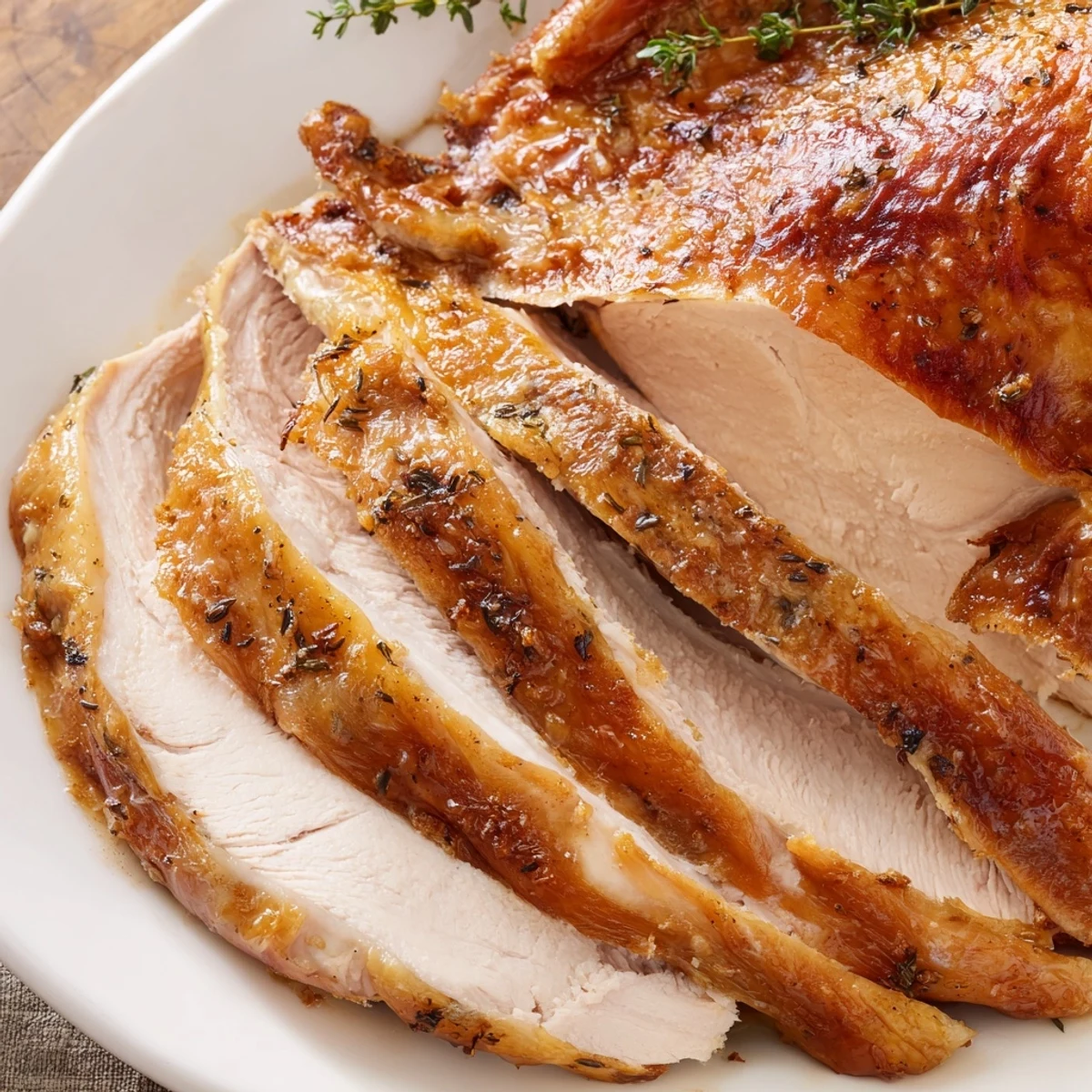
 This dish highlights a whole turkey roasted to juicy perfection with a crispy golden skin. Aromatics like onions, lemon, garlic, rosemary, thyme, and sage infuse the meat with deep, savory flavors. Butter and olive oil ensure moistness while roasting, while periodic basting enhances the crisping process. The turkey rests after roasting to maintain tenderness, making it perfect for a festive centerpiece. Additional tips include adding vegetables to the roasting pan and serving with traditional accompaniments such as pan gravy and cranberry sauce.
The first time I roasted a turkey, I was terrified. My grandmother had always handled the bird, and I'd only ever watched from the sidelines, clipboard in hand, writing down what she did. When she finally handed me the responsibility, I realized she'd never actually explained anything—she just knew. So I stood in my kitchen at dawn, this massive 13-pound turkey sitting on the counter like a responsibility I wasn't sure I could handle, and I decided to do it right: herbs under the skin, a proper baste schedule, and a meat thermometer I didn't fully trust but carried like a talisman.
I remember my sister walking in halfway through the basting—I was elbow-deep in steam, fork in hand, spooning those amber pan juices over the skin for the third time. She wrinkled her nose at the heat, but then she smelled it: rosemary, thyme, and something deeply savory that filled the entire house. She didn't say anything, just sat at the kitchen counter with a cup of tea and stayed there for the next two hours, becoming my unofficial sous chef and taste-tester.
Ingredients
- 1 whole turkey (12–14 lbs), thawed if frozen: The size matters—anything smaller and you risk drying out the white meat, anything larger and timing gets tricky; I learned to give a frozen bird at least 24 hours to thaw in the fridge.
- 2 onions, quartered: These aren't just flavoring; they act as a aromatic buffer in the cavity and keep the inside moist.
- 1 lemon, halved: The acidity brightens the meat from the inside and helps break down proteins.
- 1 head garlic, halved horizontally: Halving it this way lets the cloves stay intact and perfume the cavity without overpowering.
- 4 sprigs fresh rosemary & 4 sprigs fresh thyme & 2 sprigs fresh sage: Fresh herbs are non-negotiable here—dried will taste dusty in comparison, but if you must substitute, use one-third the amount.
- 120 g (½ cup) unsalted butter, softened: Softened butter rubs into the skin cleanly and seasons the meat where it matters most.
- 2 tbsp olive oil: This helps the butter distribute evenly and prevents any dry patches.
- 2 tsp kosher salt & 1 tsp freshly ground black pepper & 1 tsp paprika (optional): Kosher salt grains are larger and easier to distribute evenly than table salt; paprika adds color and a whisper of smoke.
- 1 cup (240 ml) low-sodium chicken broth: This becomes your basting liquid and the base for gravy, so taste it first—a salty broth will compound by the end.
Instructions
- Prep your bird:
- Remove giblets and neck first—they're usually in a packet inside the cavity. Pat the turkey completely dry with paper towels; any moisture on the skin will steam instead of crisp. This is the most important step, even though it feels tedious.
- Season under the skin:
- Gently work your fingers between the skin and meat over the breast, being careful not to tear anything. Slide about half the softened butter under there, pressing gently to distribute it evenly. This keeps the white meat from drying out while the outside gets crispy.
- Butter the outside:
- Mix the remaining butter with olive oil and rub it all over the turkey—under the wings, over the thighs, everywhere. Season generously with salt, pepper, and paprika.
- Stuff the cavity:
- Layer in the quartered onions, lemon halves, garlic, and all those herbs. You're not making a bread stuffing here—just aromatics that will infuse the meat as it roasts.
- Truss and position:
- Tie the legs together with kitchen twine to keep them compact and ensure even cooking. Tuck the wing tips under the body. Place the turkey breast-side up on a rack in your roasting pan—the rack keeps the bird elevated so air circulates underneath.
- Add liquid and roast:
- Pour chicken broth into the pan around the bird (not on top of it). Roast uncovered at 325°F for about 13–15 minutes per pound. This low temperature gives you time to build color and flavor without burning the skin.
- Baste and monitor:
- Every 45 minutes, use a basting brush or spoon to scoop up those pan juices and brush them over the breast and legs. If the skin is browning too fast, lay a loose tent of foil over the top. The thermometer is your friend—insert it into the thickest part of the thigh without touching bone, and you're done when it reads 165°F.
- Rest before carving:
- Remove the turkey from the oven and let it rest, loosely tented with foil, for at least 20–30 minutes. This lets the juices redistribute throughout the meat instead of running all over your cutting board.
 Pin Recipe
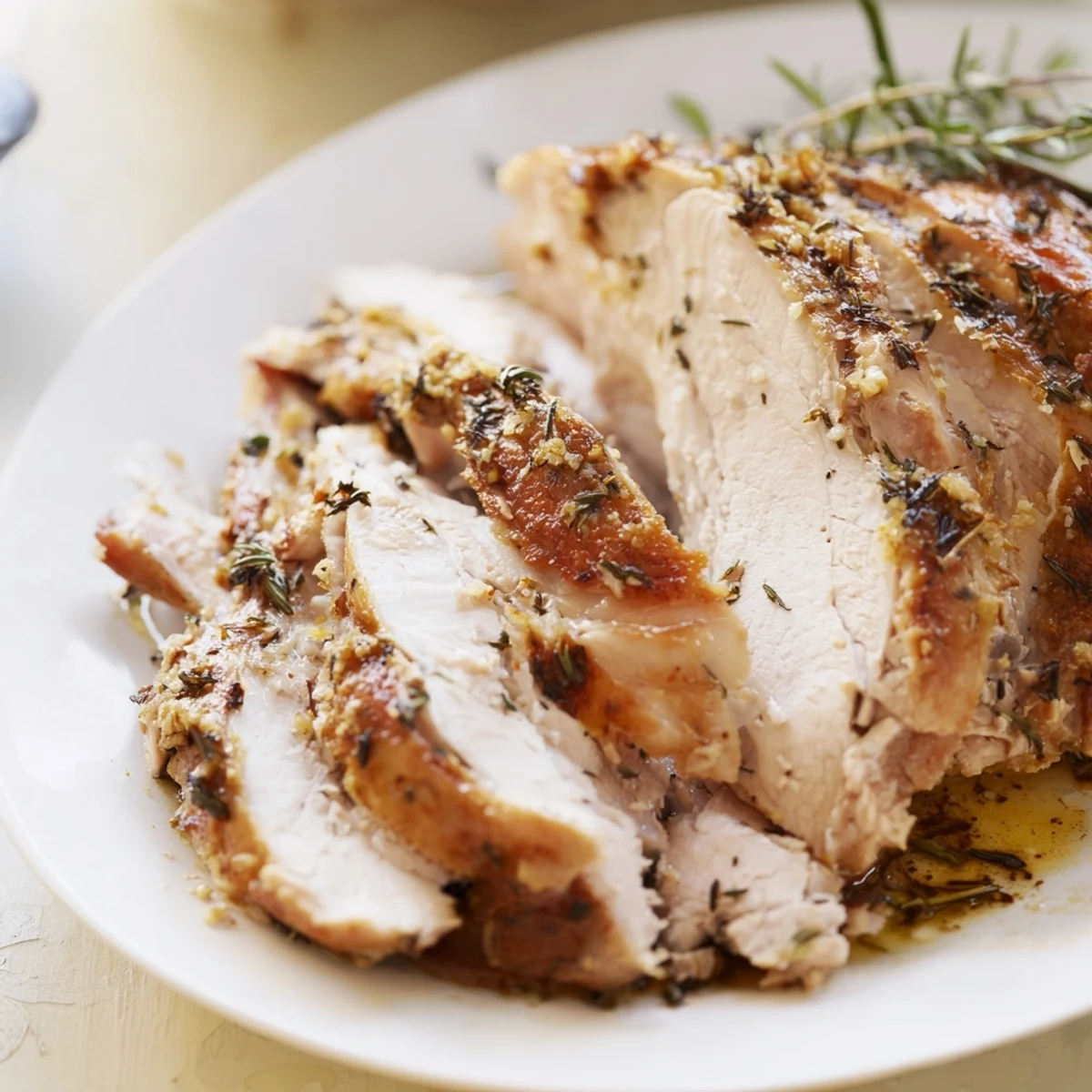
 When I finally carved that first turkey, I was shaking a little. The skin crackled under the knife, and when I cut into the thigh, the juices ran clear. My grandmother, sitting at the table, closed her eyes and took a bite without saying anything. After a moment, she looked at me and smiled—the kind of smile that meant I'd done something right. That's when I understood it wasn't really about the recipe; it was about showing up and doing it with care.
The Magic of Proper Seasoning
I used to think seasoning meant salt and pepper, evenly distributed. Then I realized that getting butter and oil under the skin changes everything—it's not just flavoring the exterior, it's seasoning the meat from the inside out where it actually matters. The herbs in the cavity don't infuse as aggressively as you'd think, but they create an aromatic environment that subtly flavors the bird. The key is layering: butter under the skin, herbs in the cavity, a good rub outside.
Basting: The Patient Art
Basting every 45 minutes sounds tedious until you realize it's the only time you can actually check on the bird without relying on a timer. Those pan juices are liquid gold—they're concentrated turkey flavor, fat, and whatever the aromatics have released. Each time you baste, you're building a richer crust and keeping the white meat moist. I learned to set a phone alarm so I wouldn't miss a basting window; missing one costs you nothing, but hitting all of them costs you only a few minutes and transforms the outcome.
Storing and Using Leftovers
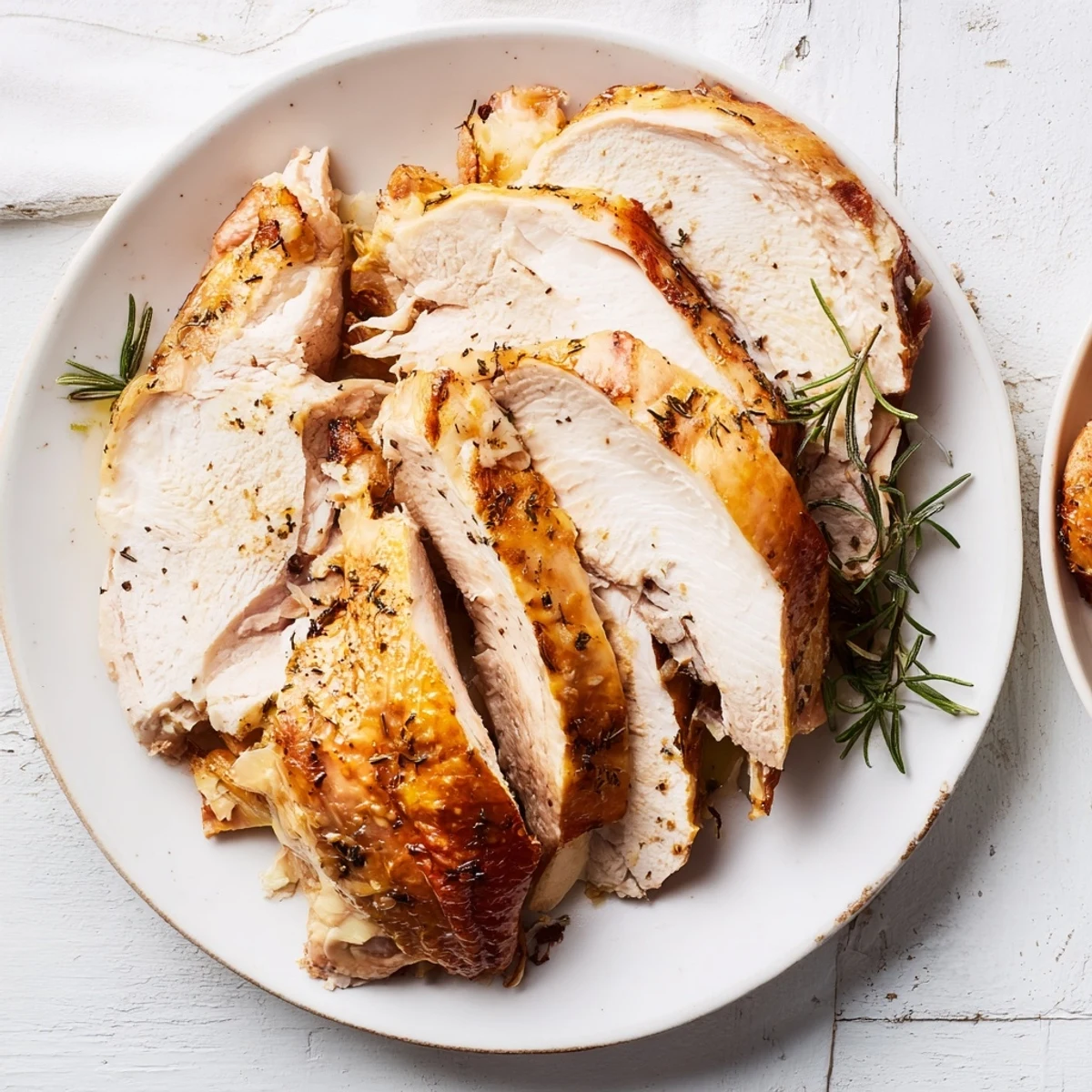
Cold turkey is often better than hot turkey, honestly. Sliced thin and piled on bread with cranberry sauce or gravy, it's a meal in itself. I always strip every bit of meat off the bones as soon as it cools enough to handle, then refrigerate both the meat and the carcass separately. The carcass becomes stock within a day or two, and the meat stays fresh for sandwiches, soups, or picked straight from the container at midnight.
- Store leftover turkey in an airtight container for up to 4 days, or freeze it for up to 3 months.
- That carcass makes the most incredible stock for soup or gravy.
- Reheat sliced turkey gently in a low oven with a little broth to keep it from drying out further.
 Pin Recipe
 Roasting a turkey is less about following steps perfectly and more about paying attention. Show up early, stay present, and trust your instincts—and that thermometer. The dish becomes less about the holiday and more about the care you put in.
Recipe FAQs
- → How do I keep the turkey skin crispy?
-
Applying butter under the skin and basting regularly helps achieve crispy, golden skin. Tent the turkey with foil if browning too quickly.
- → What fresh herbs complement the turkey?
-
Rosemary, thyme, and sage provide aromatic, earthy notes that enhance the turkey's natural flavor.
- → Can I prepare the turkey ahead of time?
-
Yes, seasoning the bird and stuffing it with herbs a few hours before roasting deepens the flavors.
- → What is the ideal cooking temperature and time?
-
Roast at 325°F (165°C) for about 13-15 minutes per pound until the internal temperature reaches 165°F (74°C).
- → How long should the turkey rest after cooking?
-
Rest the turkey loosely tented with foil for 20-30 minutes to allow juices to redistribute before carving.
