
 Pin Recipe
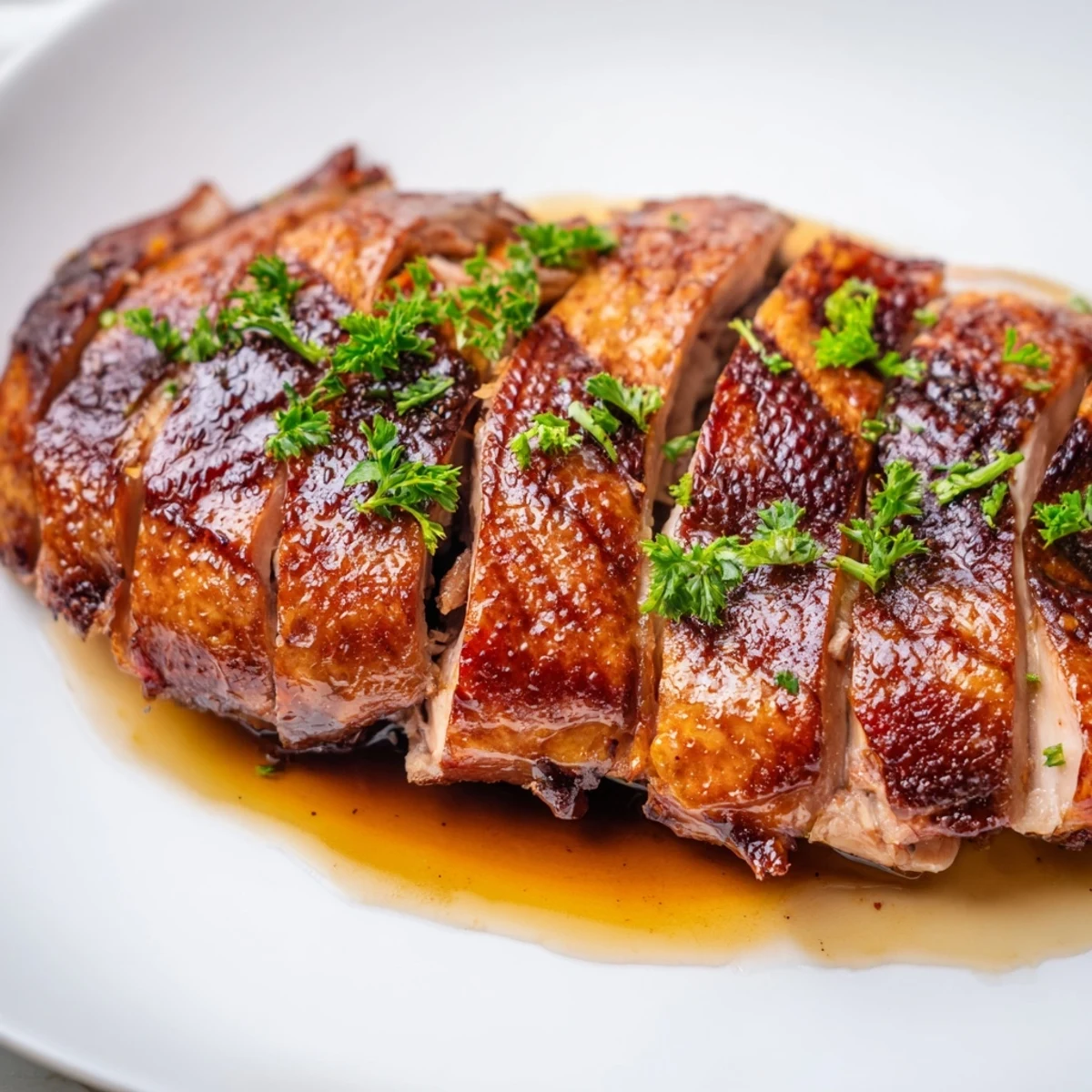
 This dish features duck breasts scored and seared skin side down until crispy, complemented by thyme and garlic aromatics. Honey and balsamic vinegar create a rich glaze, finished with buttery spooning and a rest period for juiciness. Ideal for elegant dinners, the balance of crispy skin and tender meat delivers a deeply satisfying culinary experience.
I still remember the first time I attempted roasted duck breast—it was for my partner's birthday dinner, and I was terrified. Duck seemed so fancy, so restaurant-exclusive, something I assumed required years of culinary school to master. But then a friend shared her method: score the skin, render it slowly, finish in the oven with a touch of honey and balsamic. That evening, as the kitchen filled with the most incredible aroma of crispy skin and caramelized glaze, I realized that perfection often comes from simplicity, not complexity. Now, this is the dish I make whenever I want to feel a little elegant without the stress.
The turning point came when I stopped worrying about overcooking the duck and trusted my senses instead. Watching the skin turn from pale to golden, hearing that gentle sizzle as fat rendered away—it became almost meditative. My guests that night kept saying it was the best thing I'd ever made, and honestly, it was less about technical skill and more about finally believing I could pull it off.
Ingredients
- Duck breasts (2, about 180–200 g each, skin on): This is where quality matters most. Look for duck breasts with smooth, unblemished skin and meat that's a deep burgundy color. The skin-on requirement isn't just for flavor—it's what gives you that crackling exterior that makes people close their eyes when they eat.
- Sea salt (1 tsp): Don't skip the seasoning step or use table salt. Sea salt granules dissolve more gently and won't make your meat taste harsh. This is your foundation.
- Freshly ground black pepper (½ tsp): Freshly ground makes all the difference here. Pre-ground pepper tastes dusty by comparison, and when your dish is this simple, every ingredient speaks for itself.
- Fresh thyme leaves (2 tsp, or 1 tsp dried): Thyme has this woody, almost savory quality that whispers rather than shouts. It pairs with duck the way it's meant to—complementing without overpowering.
- Garlic cloves (2, crushed): Crushing the garlic releases its oils and lets it infuse the pan without burning. This small act of respect for your ingredients pays off.
- Honey (1 tbsp): The honey doesn't make this dessert-sweet; instead, it caramelizes on the duck's surface and adds a subtle richness that balances the balsamic's acidity.
- Balsamic vinegar (1 tbsp): Use proper aged balsamic if you can—the cheapest stuff tastes like sweetened vinegar, while the real thing has depth and complexity that transforms the dish.
- Unsalted butter (1 tbsp): At the very end, butter becomes your basting brush, coating the duck in a glossy finish that catches the light on the plate.
- Fresh parsley (1 tbsp chopped, optional): A whisper of green brightens the plate and your palate, cutting through the richness of the meat.
Instructions
- Prepare Your Space:
- Preheat your oven to 200°C (400°F). This matters more than you'd think—duck is forgiving, but a hot oven ensures the inside stays rosy while the outside crisps. While that's happening, pat your duck breasts completely dry with paper towels. Any moisture on the skin is an enemy of crispness.
- Score the Skin:
- Using a sharp knife, score the duck skin in a crosshatch pattern—think gentle lines, not deep gouges. You're just scoring the skin itself, being careful not to cut into the meat underneath. This is what allows the fat to render evenly and gives you that beautiful, crackling texture.
- Season Generously:
- Salt and pepper both sides with care. This isn't the time to be shy. The seasoning will sink into the meat as it cooks, creating layers of flavor.
- Render the Skin:
- Place your heavy, oven-safe skillet over medium heat. No oil needed—the duck has plenty of its own. Set the duck breasts skin-side down and listen to that beautiful sizzle. For 6–8 minutes, watch as the skin transitions from pale to golden and the fat melts away. Spoon off excess fat as it renders (save it for roasting potatoes later—liquid gold). You'll know it's ready when the skin is crackling and the meat releases easily from the pan.
- Introduce the Aromatics:
- Flip the duck breasts over gently. Now add the crushed garlic and thyme to the skillet, letting them toast for just a minute. The heat releases their fragrance, and it fills your kitchen with an aroma that says 'something special is happening here.'
- Glaze and Finish:
- Drizzle the honey and balsamic vinegar over the duck breasts. This is the magic moment—watch as they begin to caramelize. Now transfer the entire skillet to your preheated oven. Cook for 6–8 minutes for medium-rare, or a bit longer if you prefer your duck more cooked through. This is where you trust yourself and your oven.
- The Final Touch:
- Remove from the oven carefully (the handle will be hot). Add the cold butter to the pan and tilt it, spooning the foaming butter over the duck repeatedly. This basting step coats the meat in a silky glaze that's almost too beautiful to eat. Almost.
- Rest and Serve:
- Let your duck rest for 5 minutes on a warm plate. This pause is crucial—it lets the juices redistribute throughout the meat, ensuring every bite stays tender. Slice thinly against the grain, plate with intention, and garnish with a whisper of fresh parsley.
 Pin Recipe
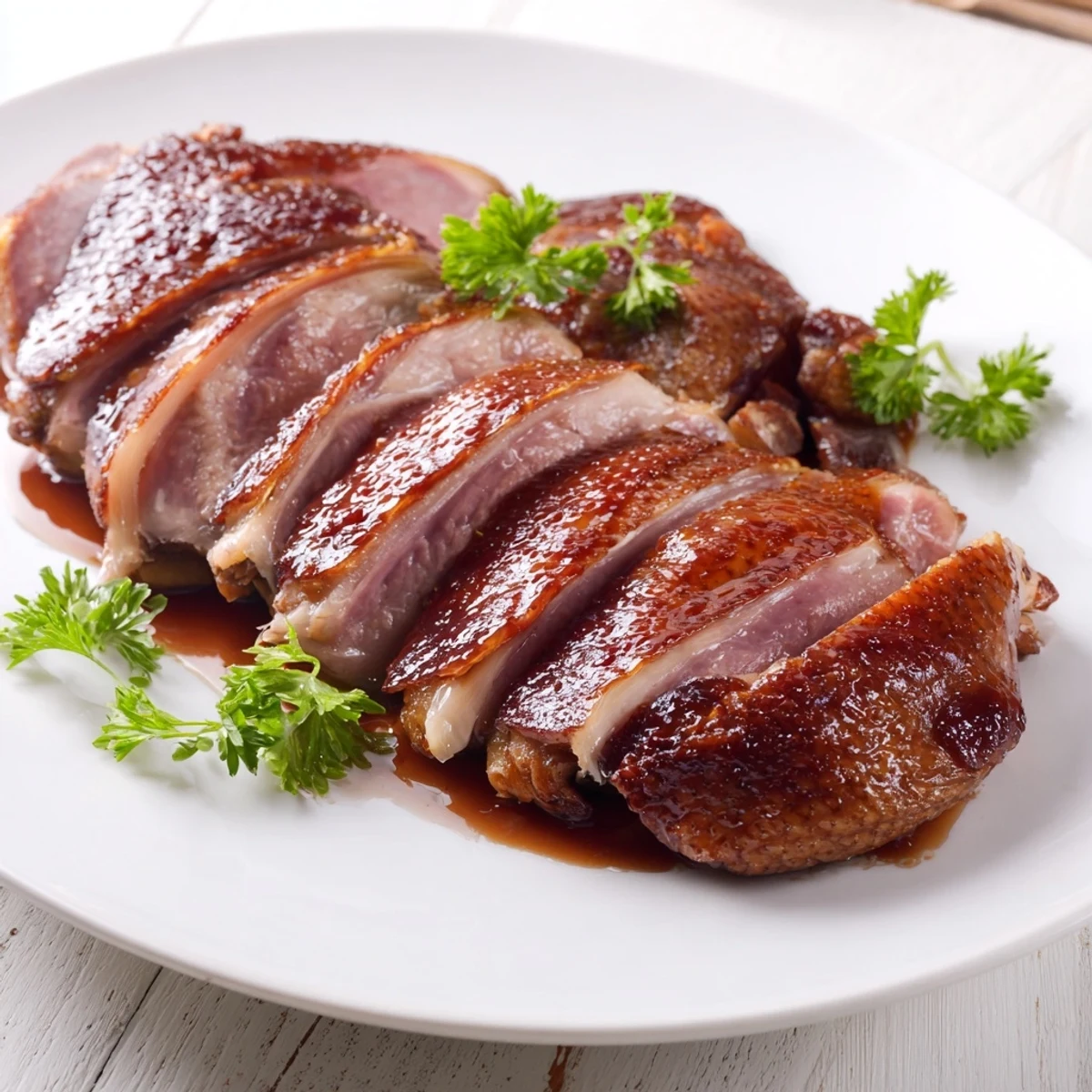
 There was a moment, just after I plated that first homemade roasted duck breast, when I stepped back and looked at what I'd created. The skin was glistening, the meat was sliced to reveal its rosy interior, and it looked exactly like something from a restaurant kitchen—because I'd made it with my own hands. That's when cooking stopped being about following instructions and started being about confidence. Now, every time I make this dish, I remember that evening, and it reminds me that elegance is often just one good technique away.
The Science of Crispy Skin
There's real magic in what happens when you score duck skin and let it render slowly over medium heat. The fat under the skin melts away, pooling in the pan, while the skin itself slowly dehydrates and crisps. This isn't luck—it's chemistry. The Maillard reaction, which creates that beautiful golden color, happens at a specific temperature range, which is why medium heat (not high) gives you that perfect crackling exterior. High heat burns the skin before the fat has finished rendering, and low heat never crisps it at all. Understanding this changed how I approach the whole recipe. Now I listen to the sizzle, watch the color, and trust that the process knows what it's doing.
Pairing and Serving Suggestions
Roasted duck breast is rich enough to stand alone, but it sings when paired thoughtfully. The honey and balsamic glaze opens the door to fruit—a cherry gastrique, an orange sauce, even a simple pan sauce made with duck stock and raspberries. Beside it, roasted root vegetables (parsnips, carrots, beets) echo the richness, while a crisp green salad with a acidic vinaigrette cuts right through it. I've also served it alongside a silky cauliflower purée, which seems to complement it better than you'd expect.
Elevating the Moment
The truth is, food becomes memory when you cook it with intention. This dish deserves a nice plate, a good wine (a light Burgundy or Bordeaux), and the kind of quiet attention that makes people put their phones away. Don't rush it to the table. Let people see what you've made. You've earned that moment of pride.
- Plate the duck while it's still warm, arranging the slices to show off that beautiful rosy center.
- The rendered duck fat in the pan is too precious to waste—spoon any remaining glaze over the top just before serving.
- If you make a quick pan sauce, use the hot skillet to deglaze with chicken or duck stock, scraping up all those flavorful browned bits—that's where the extra depth lives.
 Pin Recipe
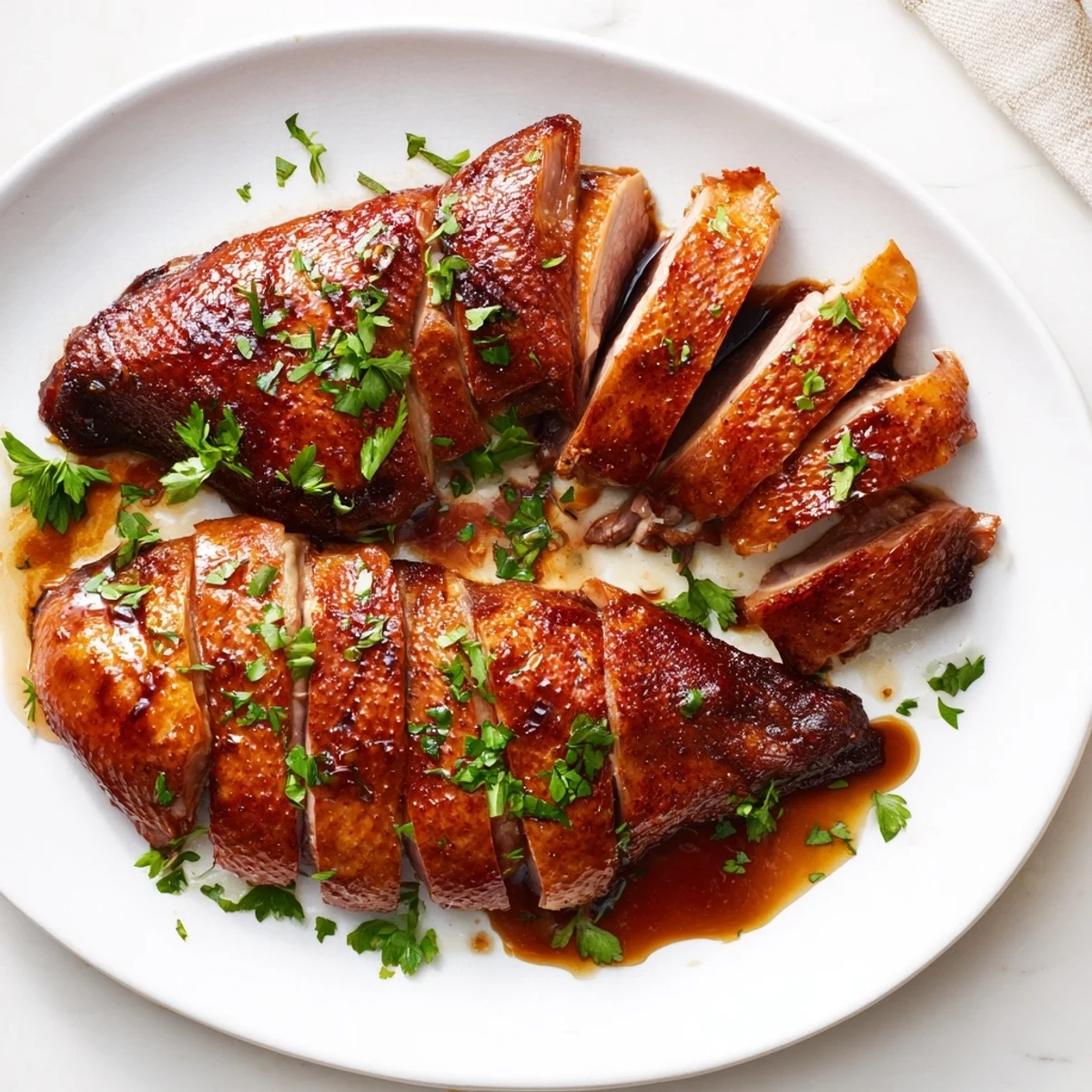
 This dish taught me that restaurant-quality food isn't about complicated techniques or rare ingredients—it's about respecting what you're cooking and paying attention to the small moments that make the biggest difference. Make it for someone you want to impress, and watch their face as they taste it.
Recipe FAQs
- → How do I achieve crispy skin on the duck breast?
-
Score the skin carefully without cutting the meat, then cook skin side down in a hot skillet to render fat and crisp the skin evenly.
- → What is the purpose of scoring the duck skin?
-
Scoring helps release fat during cooking, allowing the skin to become crispier and preventing curling.
- → How do honey and balsamic vinegar affect the flavor?
-
They add a balance of sweetness and acidity that enhances the richness of the duck and creates a glossy glaze.
- → What is the recommended doneness for duck breast?
-
Medium-rare is ideal to retain juiciness, typically achieved after roasting for 6-8 minutes at 200°C (400°F).
- → Can I prepare this dish ahead of time?
-
You can sear the duck breasts ahead, then finish roasting just before serving to maintain optimal texture and flavor.
