
 Pin Recipe
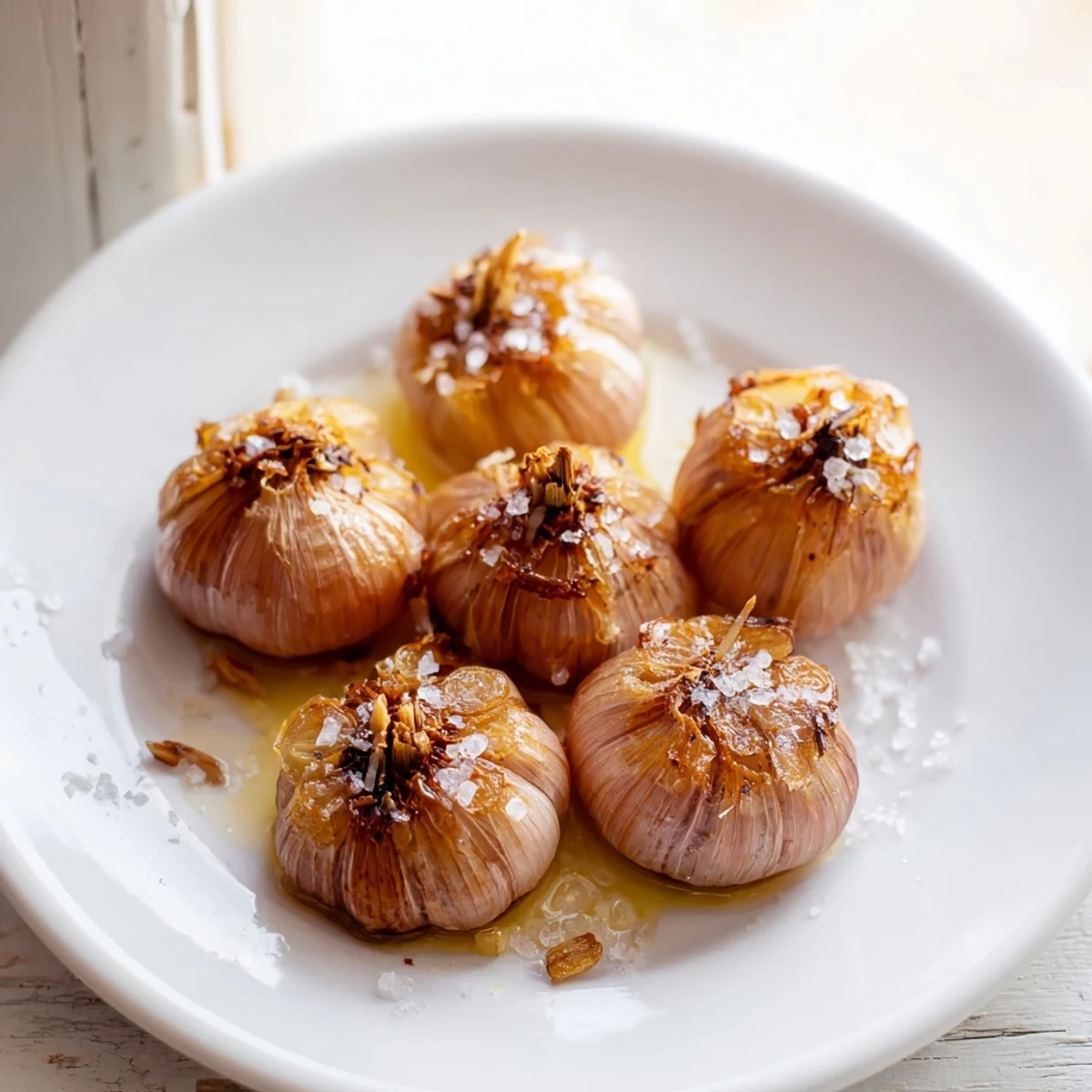
 Roasting whole garlic cloves softens their texture and brings out a natural sweetness through caramelization. After trimming the tops and seasoning with olive oil and salt, the cloves are wrapped in foil and baked until golden and tender. This simple technique transforms pungent raw garlic into a smooth, spreadable delight ideal for enhancing sauces, spreads, and a variety of dishes with its rich, mellow flavor.
There's something almost magical about watching a whole head of garlic transform in the oven. I discovered roasted garlic by accident one evening when I was trying to soften some cloves for a sauce and got distracted—by the time I remembered it was in there, the kitchen smelled like caramelized honey and comfort. That golden, buttery paste that squeezed out changed how I cooked forever.
I made this for a dinner party where someone swore they didn't like garlic much, and watching their face when they spread a clove on warm bread was worth the whole evening. They went back for thirds.
Ingredients
- Garlic: One whole head—don't separate the cloves, that's the whole point; the skin holds everything together and becomes almost parchment-like in the oven.
- Olive oil: Just 1 to 2 teaspoons, enough to pool into the tops and let it work its way through; this is where the magic happens, so don't skip it.
- Sea salt: A pinch is honestly enough; you're not seasoning food, you're awakening the garlic's natural sweetness.
- Black pepper: Optional, but the slight bite at the end balances the sweetness beautifully if you use it.
Instructions
- Set your oven and prep the head:
- Heat your oven to 400°F (200°C). While it warms, take the garlic head and strip away the papery outer layers until you can see the cloves underneath, but don't go so far that they separate—you want it to stay whole and unified.
- Make the opening:
- Using a sharp knife, slice about 1/4 inch off the very top of the head where the cloves peek out. You'll see the pale interior exposed—that's your target zone for the oil to reach.
- Seat and dress it:
- Place the garlic cut-side up on a piece of foil, then drizzle that olive oil over the opening and let it soak into every crevice. Sprinkle with sea salt and pepper if you're using it, then wrap the foil around it like you're tucking it in for a nap.
- The long, slow roast:
- Put the foil packet on a baking sheet and slide it into the oven for 35 to 40 minutes. The kitchen will start smelling incredible around minute 20—that's not a signal to pull it out yet, that's just the preview.
- Cool and serve:
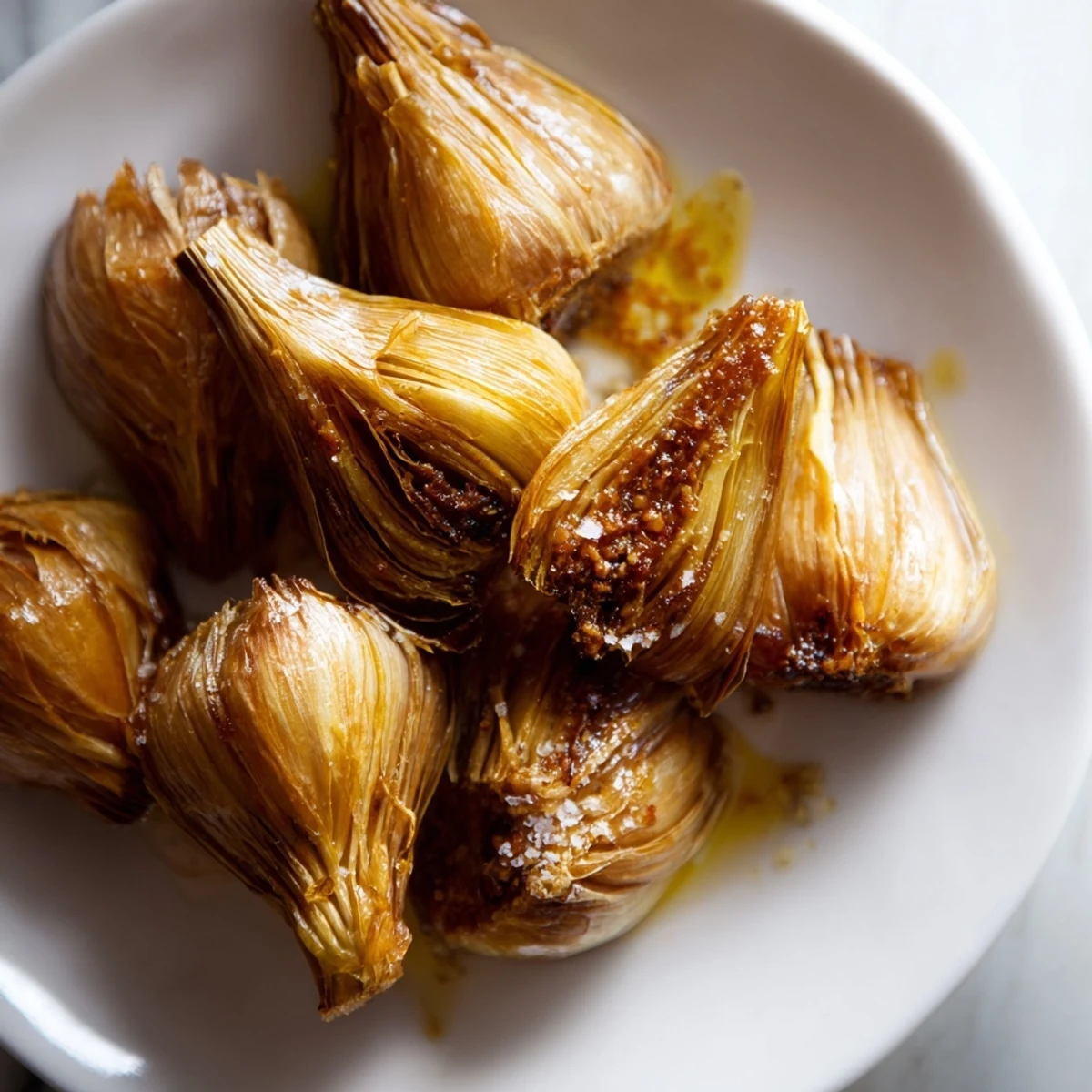
- Let it rest for a few minutes so you don't burn your fingers, then gently squeeze the cloves out of their skins into a small bowl. They should come out like soft butter.
 Pin Recipe
 My partner started requesting this as a weekend staple after I served it alongside crusty bread, and now I can't imagine a charcuterie board or cheese night without it sitting there in a little bowl, ready to be spread and savored.
Ways to Use Your Roasted Garlic
The beauty of roasted garlic is how it disappears into dishes and makes them taste like someone who knows what they're doing made them. Swirl it into mashed potatoes, whisk it into butter for bread, dollop it onto soups, or blend it into salad dressings where it acts like a secret ingredient no one can quite name. I've even spread it on pizza before the cheese goes on, and the results were almost unfair.
Storage and Keeping It Fresh
Once your cloves are squeezed out and cooled, store them in an airtight container in the fridge where they'll keep peacefully for up to a week. You can also freeze them in small portions if you want to save a batch for later, though I find I use them up pretty quickly once I know they're there waiting. Some people store them in olive oil in the fridge, which gives you flavored oil as a bonus, but watch the dates closely if you do that.
Variations and Flavor Additions
Once you've mastered the basic version, the world opens up—toss a few sprigs of thyme or rosemary into the foil before roasting for herbal notes that deepen as they roast alongside the garlic. Some cooks add a splash of balsamic vinegar or finish with fresh lemon juice, which cuts through the richness in an interesting way. You can even roast multiple heads at once if you're feeding people or prepping ahead, which I recommend because it takes the same time and the leftovers are never an accident.
- Fresh herbs like thyme, rosemary, or oregano add complexity without changing the cooking time.
- A tiny pinch of smoked paprika brings an unexpected savory note that plays beautifully against the sweetness.
- Lemon zest added after roasting brightens everything up if you're planning to use it in something that needs a lift.
 Pin Recipe
 Roasted garlic has a way of making you feel like a better cook than you actually are, which might be its greatest gift. Once you taste what patience and gentle heat can do to something so simple, you'll understand why it's been a staple across Mediterranean kitchens for so long.
Recipe FAQs
- → How do I know when garlic cloves are properly roasted?
-
The cloves turn soft, golden, and tender. They should easily squeeze out of their skins without resistance.
- → Can I add herbs during roasting?
-
Yes, aromatic herbs like thyme or rosemary can be included for enhanced fragrance and flavor.
- → What is the best way to store roasted garlic?
-
Keep roasted cloves in an airtight container in the refrigerator for up to one week.
- → How can roasted garlic be used in cooking?
-
Spread it on bread, mix it into mashed potatoes, sauces, soups, or dressings for a rich, mellow flavor.
- → What oil is recommended for roasting garlic?
-
Olive oil is preferred as it adds a subtle richness and aids caramelization.
