
 Pin Recipe
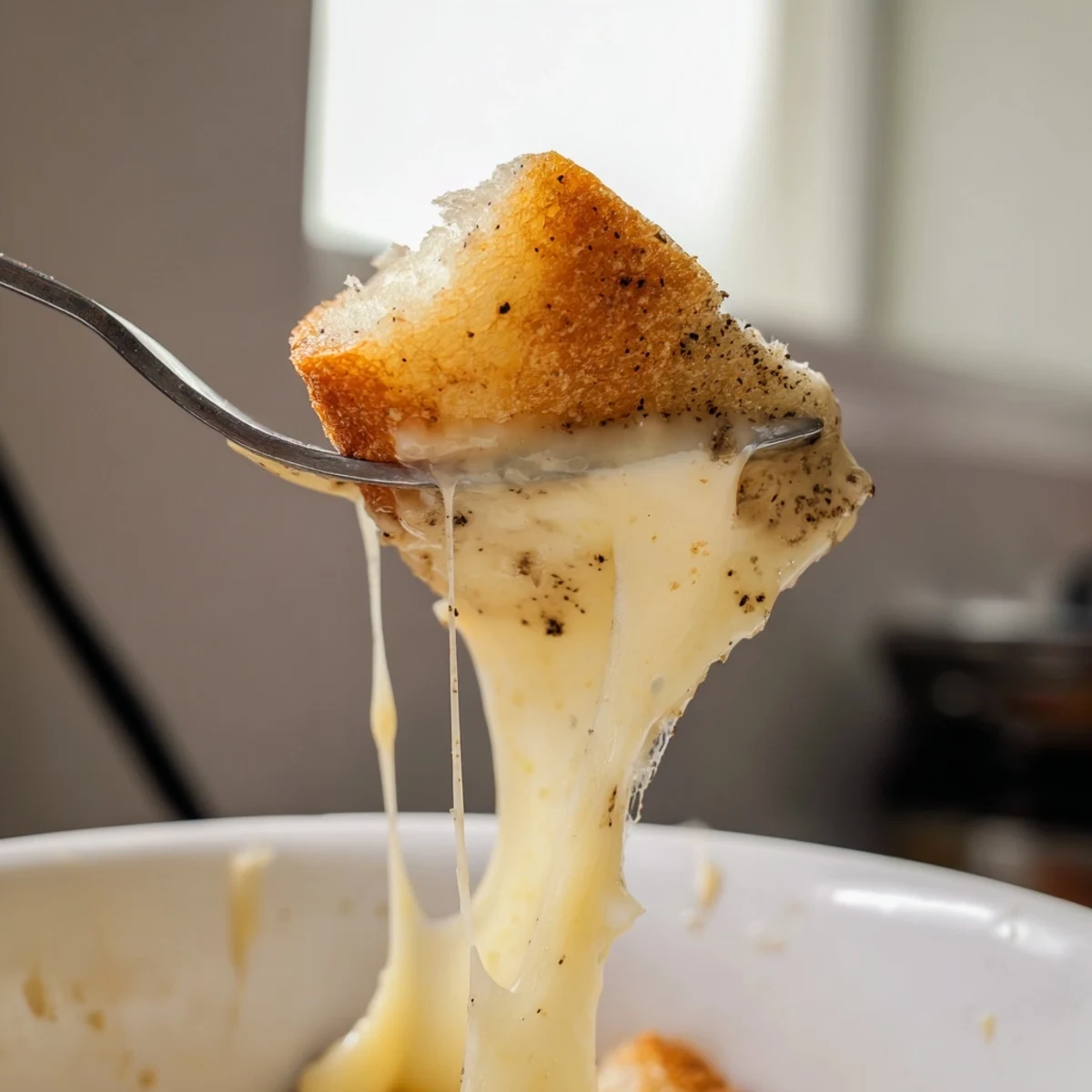
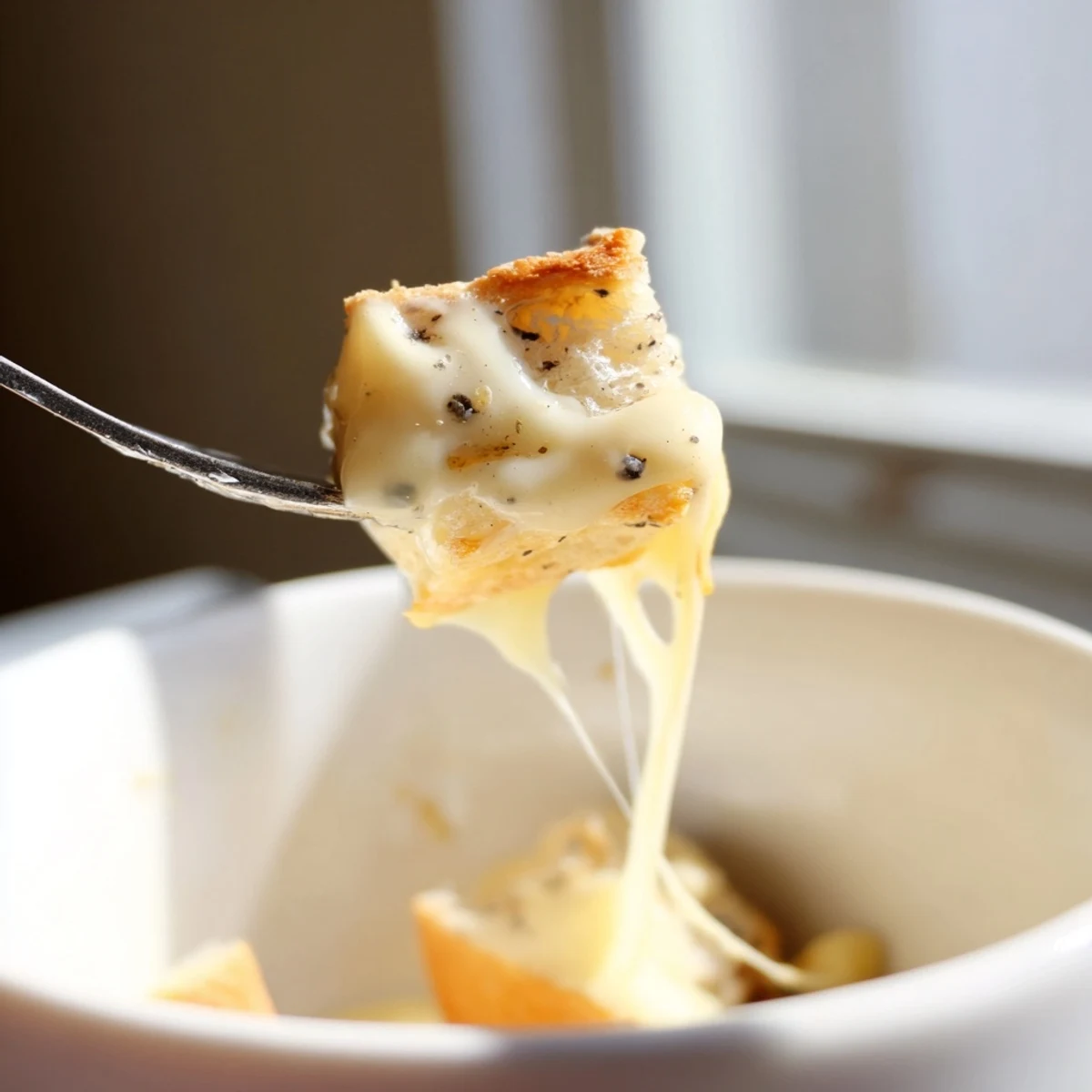
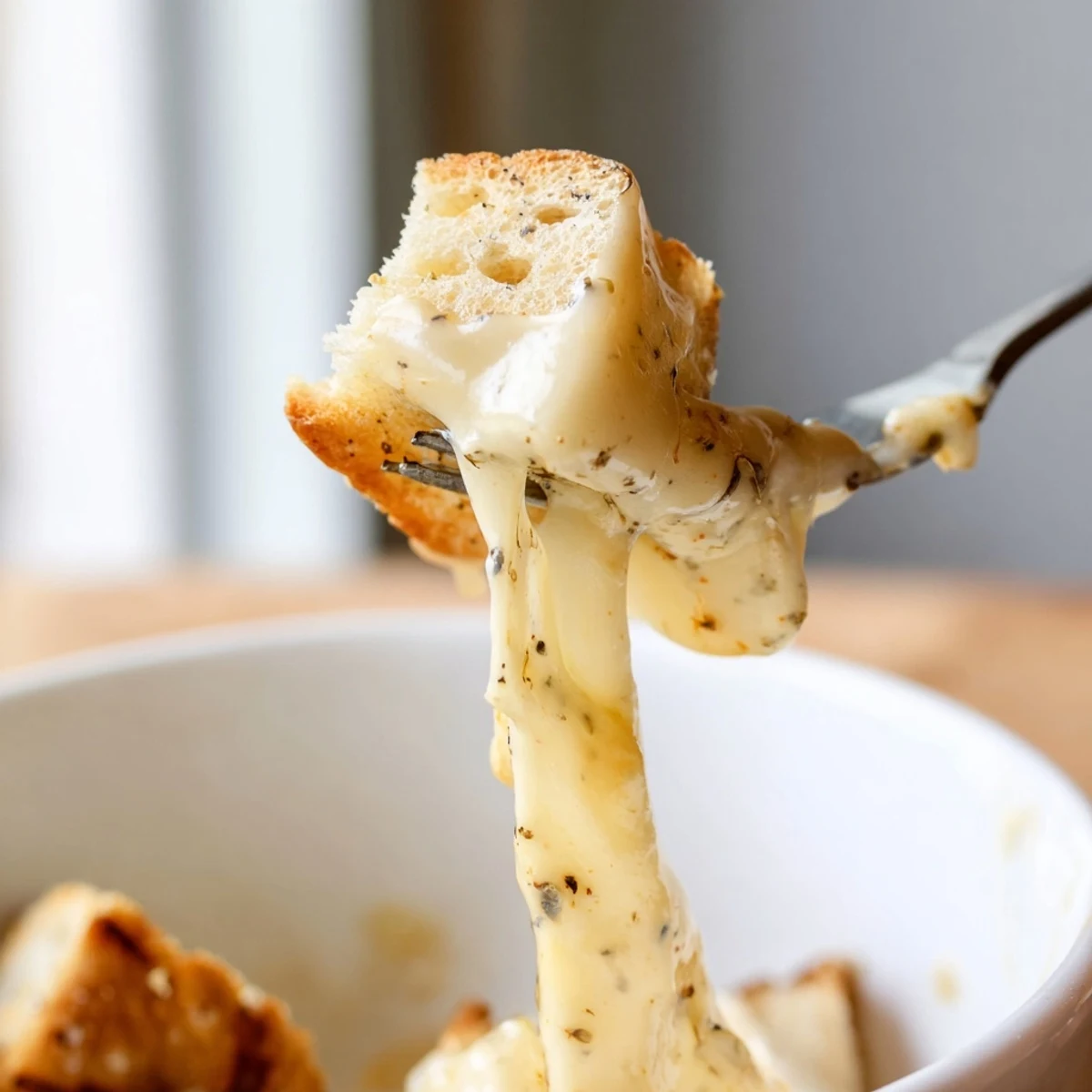
 Experience a comforting Swiss-inspired blend of Gruyère and Emmental cheeses melted with dry white wine and seasoning. The mixture is thickened with cornstarch and infused with garlic, kirsch, fresh pepper, and nutmeg for depth. Served warm in a fondue pot, it's ideal for dipping crusty bread cubes or fresh vegetables, making it perfect for intimate gatherings or cozy nights. This dish balances creamy textures and savory flavors, offering a delightful communal dining experience.
There's something about watching cheese melt into wine that makes everyone around the table lean in closer. I discovered fondue not at some fancy restaurant, but at a friend's apartment on a freezing January night when the heating had gone out—we huddled around that bubbling pot like it was a campfire, and suddenly the cold didn't matter anymore. The way the cheese transformed from solid to silky, the smell of wine and nutmeg filling the small kitchen, the easy rhythm of dipping and eating—it felt less like cooking and more like a small ceremony we'd all stumbled into together.
I made this for my sister's birthday gathering, and what struck me wasn't the compliments about the cheese—it was watching my normally quiet uncle dunk his tenth bread cube and actually laugh out loud. Fondue has this unexpected power to draw people out of themselves, to make sharing food feel less like eating and more like play.
Ingredients
- Gruyère cheese (200 g, grated): The backbone of any real fondue—nutty, salty, melts like a dream without getting grainy if you respect the heat.
- Emmental cheese (200 g, grated): Milder and slightly sweet, it rounds out the Gruyère and keeps the fondue smooth; grate both cheeses fresh if you can, not pre-shredded.
- Dry white wine (300 ml): Acts as the emulsifying base and brings acidity that keeps the cheese from becoming a clumpy mess.
- Garlic clove (1, halved): Just rub it around and you'll understand why it's there—a whisper of flavor, not a shout.
- Cornstarch (1 tbsp): The secret to silky texture; mix it with liquid first or it'll seize up into little lumps.
- Kirsch or cherry brandy (2 tbsp, optional): Traditionally Swiss, it adds a subtle complexity, but wine works fine in a pinch.
- Black pepper and nutmeg: Freshly ground pepper bites just right; the nutmeg should barely whisper—a pinch is usually enough.
- Crusty bread (1 large baguette, cut into 2 cm cubes): The vehicle for everything, so choose bread with real structure that won't dissolve the moment it hits the cheese.
- Vegetables (optional): Lightly blanched broccoli or cherry tomatoes add freshness, but bread is really the star here.
Instructions
- Prepare your vessel:
- Take your fondue pot and rub the inside with the cut garlic clove—you're not trying to coat it, just leave a faint perfume on the surface. Some people leave the garlic in for a stronger presence; I usually fish it out after it's done its job.
- Warm the wine gently:
- Pour the wine into the pot and set it over medium-low heat. Let it warm until you see tiny bubbles forming at the edges, but don't let it boil hard or the alcohol will cook off before it can do its flavor work.
- Make your cornstarch slurry:
- In a small bowl, whisk the cornstarch with the kirsch (or a splash of wine) until it's completely smooth with no lumps. This step saves you from grainy, broken fondue—don't skip it or rush it.
- Add the cheese slowly:
- This is where patience matters: sprinkle the grated cheese in slowly while stirring in a figure-eight motion. The figure-eight keeps everything moving and prevents pockets of unmixed cheese. If you dump it all in at once, you'll end up with a sad, separated mess.
- Thicken and smooth:
- Once the cheese is melted and incorporated, pour in your cornstarch mixture and keep stirring steadily. You'll feel the texture shift under your spoon as it thickens from liquid to velvety—this takes just a couple of minutes, and you'll know it when it happens.
- Season to taste:
- Crack fresh pepper over the top and add nutmeg with a light hand—literally just a small pinch, then taste and add more if needed. The seasoning brings everything into focus.
- Transfer and serve:
- Move the pot to its fondue stand with a low flame underneath to keep it warm and moving. Serve immediately while the texture is still perfect, with bread cubes and any vegetables you've chosen nearby.
 Pin Recipe
 What I love most about fondue isn't really about the cheese at all—it's about the permission it gives people to slow down and be present. Everyone's hands are busy, everyone's focused on the same warm pot, and somehow the conversation becomes easier, the laughter comes quicker.
The Wine Matters More Than You'd Think
I learned this the hard way when I tried to economize with a cheap, acidic wine that made the whole thing taste thin and metallic. The wine is doing real work here—it's not just adding flavor, it's creating the environment where cheese can melt smoothly without breaking. A crisp Sauvignon Blanc or a dry Riesling is worth the few extra dollars, and you'll taste the difference immediately.
Bread is Your Foundation
I used to think fondue was just about the cheese, until someone brought soft, pre-sliced sandwich bread to a gathering and it fell apart in the pot after one dip. A day-old crusty baguette or a dense country loaf holds up to the heat and the cheese weight; it becomes almost a vehicle for the fondue rather than something that dissolves into it. Cut the cubes slightly larger than you think you need—they'll shrink a little as they warm.
Making it Your Own
Once you understand the basic technique, fondue becomes a canvas for small variations and personal touches. I've added a tiny touch of Dijon mustard for subtle heat, tried Appenzeller cheese for a earthier flavor, and once experimented with a drizzle of truffle oil that completely transformed it into something fancy. The beauty is that once you get the technique right, you can play with it without fear.
- A small pinch of smoked paprika adds depth without overwhelming the delicate cheese flavors.
- Keep extra bread nearby because people will always want more than you predicted.
- Make sure everyone has their own fondue fork or wooden skewer so the dipping stays civilized.
 Pin Recipe
 There's something generous about gathering people around a pot of melted cheese—it's unpretentious, it's warm, and it works every single time. Make this when you want the evening to stretch out a little longer.
