
 Pin Recipe
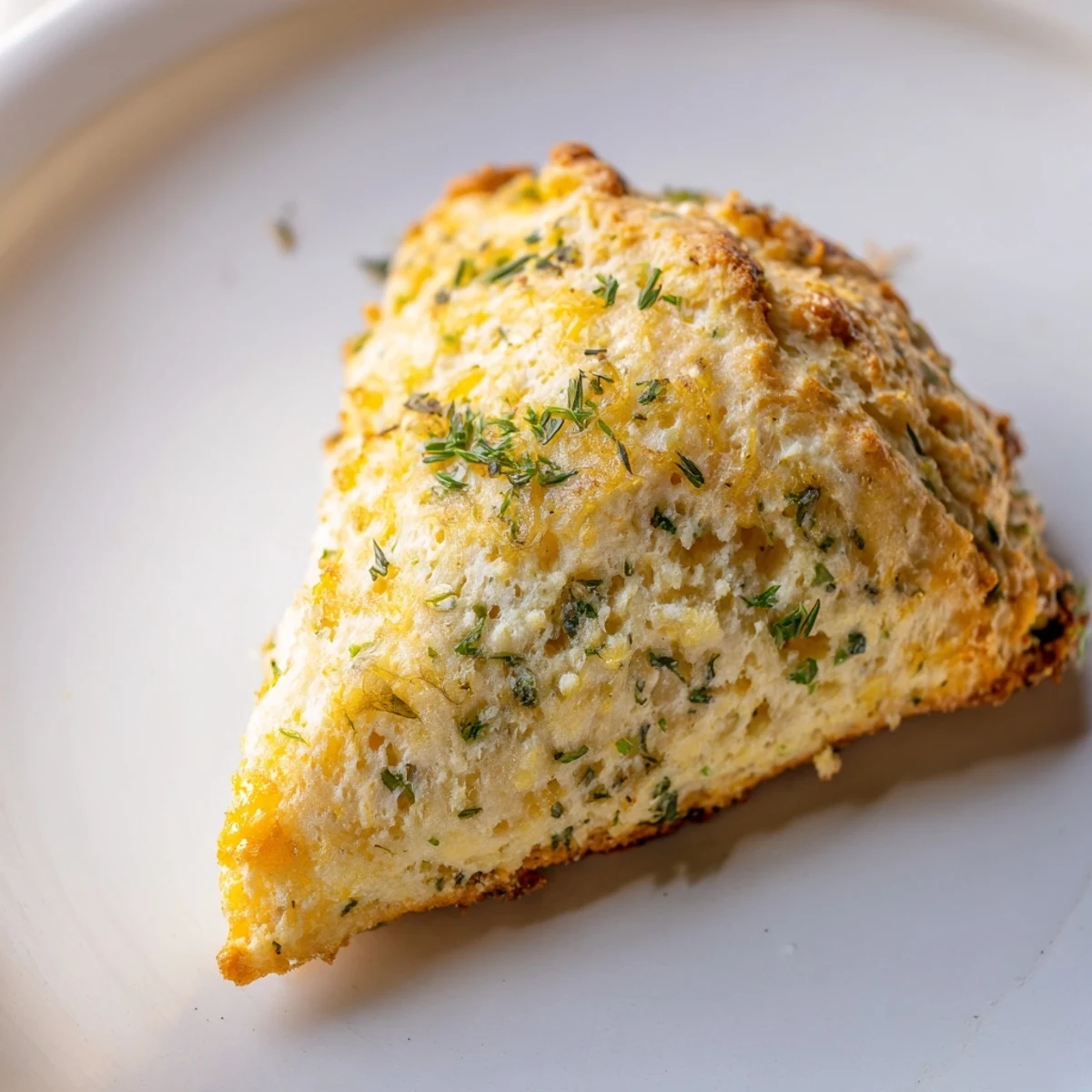
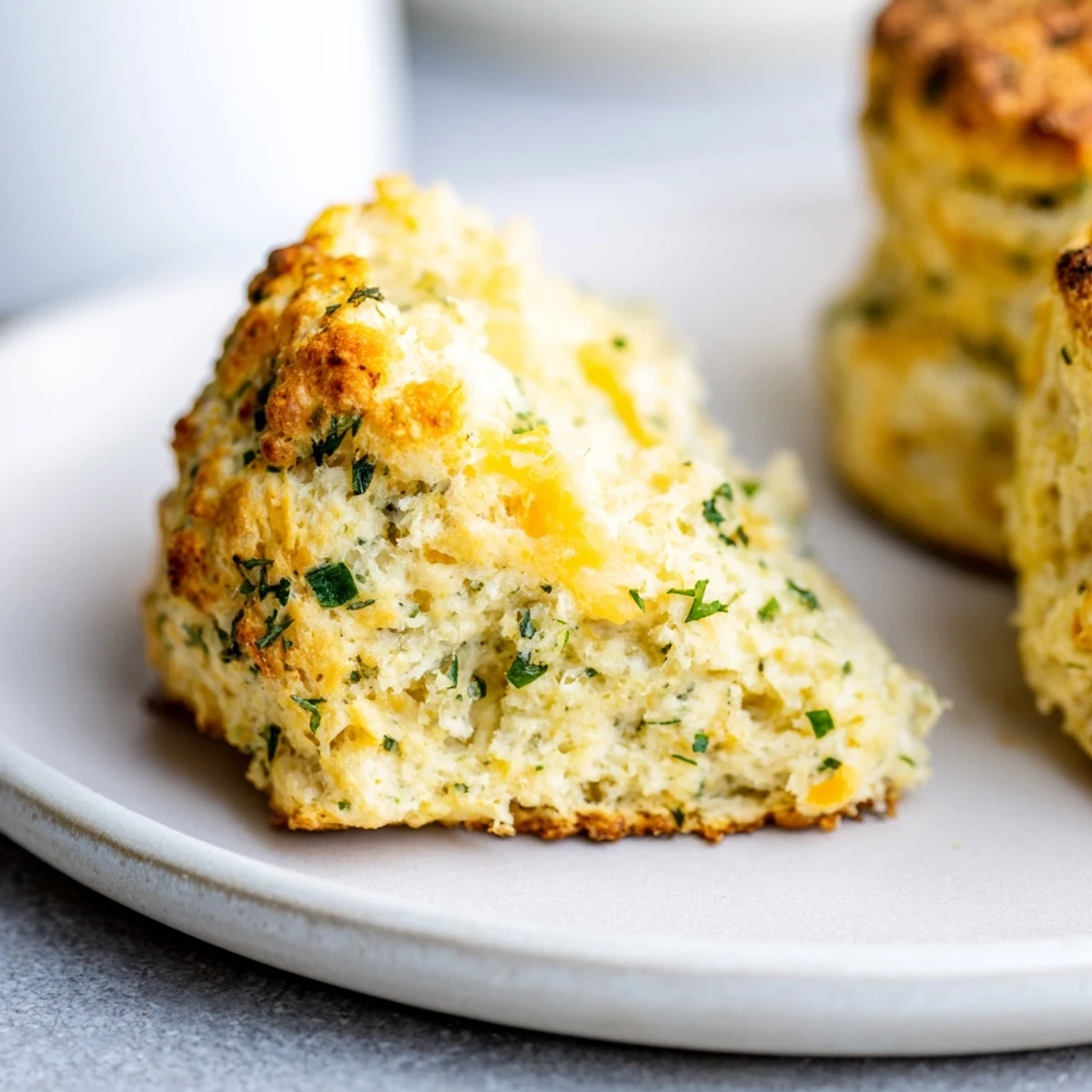
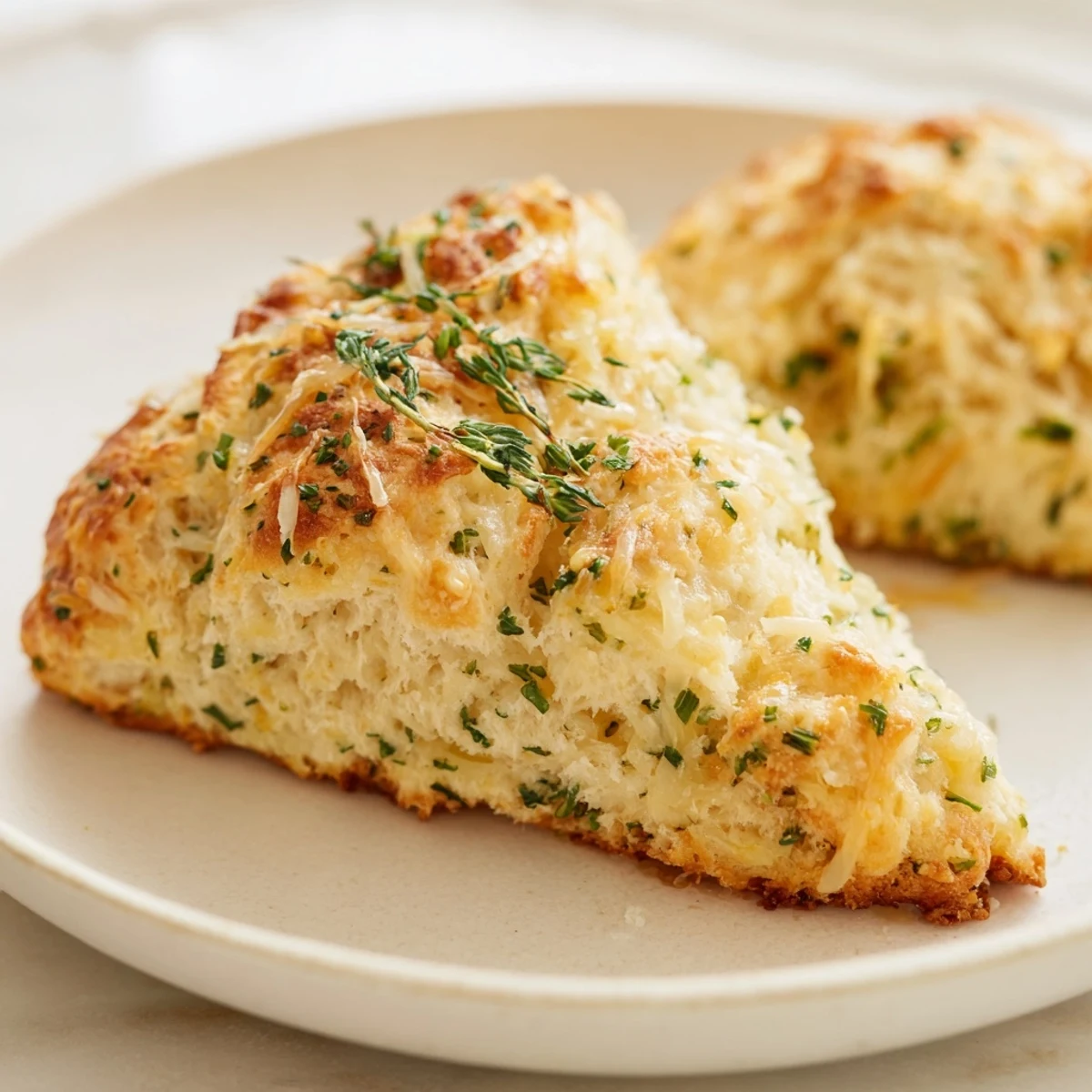
 These savory scones combine sharp cheddar cheese with fresh chives, parsley, and thyme for a tender, flaky texture. Made with simple pantry staples like flour, butter, milk, and a touch of baking powder, they bake up golden and flavorful in under 20 minutes. Ideal to enjoy warm alongside soups, salads, or eggs, these herb-infused scones offer a versatile and easy-to-make baked good for any meal or snack.
There's something magical about pulling warm scones from the oven on a quiet morning, watching the steam curl up while the kitchen fills with the scent of melted cheddar and fresh herbs. My neighbor once brought these over after I'd complained about always buying the dense, dry ones from the bakery, and I realized right then that good scones were never about fancy technique—just cold butter, a light touch, and ingredients you actually wanted to taste. Now I make a batch almost every other week, often with whatever herbs are looking perky in the garden.
I made these for a potluck at work once and watched someone take a second one with that surprised look people get when store-bought expectations get completely upended. That moment of quiet appreciation—no words, just another scone disappearing—made me understand why some recipes stick around in kitchens for generations.
Ingredients
- All-purpose flour (2 cups): Use the regular stuff you always have on hand; it's the structure that holds everything together without fussiness.
- Baking powder (1 tbsp): This is your rising agent, so make sure it's fresh—old baking powder won't give you that tender lift.
- Salt and black pepper (1/2 tsp and 1/4 tsp): Don't skip the pepper; it adds a subtle warmth that makes the cheese sing.
- Sharp cheddar cheese, grated (1 cup): Go sharp, not mild—mild gets lost in the background, but sharp stands up and announces itself.
- Fresh chives, parsley, and thyme (2 tbsp, 1 tbsp, 1 tsp): These bring the scones to life; dried herbs won't give you the same brightness, so use fresh if you possibly can.
- Cold unsalted butter, diced (1/2 cup): Cold is non-negotiable here—warm butter makes tough scones, so take it straight from the fridge.
- Whole milk and egg (2/3 cup milk plus extra for brushing, 1 egg): The milk and egg bind everything while that milk brush on top gives you that beautiful golden finish.
Instructions
- Set your stage:
- Heat your oven to 400°F and line a baking sheet with parchment paper. This small act of preparation takes 30 seconds but saves you scrambling later.
- Build your dry foundation:
- Whisk together the flour, baking powder, salt, and pepper in a large bowl. You're creating a blank canvas for everything else to rest on.
- Work in the cold butter:
- Add your diced cold butter and rub it in with your fingertips until the mixture looks like coarse crumbs. This texture is what gives scones their characteristic flake, so take your time and don't let the butter warm up.
- Fold in the flavor:
- Stir in the grated cheese, chives, parsley, and thyme until they're evenly distributed. This is where your scones go from plain to personality-filled.
- Bring it together gently:
- Whisk the milk and egg together separately, then pour into the flour mixture and stir just until the dough comes together. Overmixing is the enemy—stop as soon as you see no dry flour.
- Shape and cut:
- Turn the dough onto a lightly floured surface and pat it into a 1-inch thick round. Cut into 8 wedges like a pizza, and place them on your prepared baking sheet without crowding them.
- Add the shine:
- Brush the tops with a little extra milk—this is what catches the heat and gives you that glossy, golden crown.
- Bake until golden:
- Bake for 16 to 18 minutes until the tops are deep golden and they smell completely irresistible. A toothpick inserted should come out clean with no gooey dough clinging to it.
- Cool and serve:
- Let them cool on the baking sheet for just a few minutes—they're best when still warm but not so hot that you burn your mouth.
 Pin Recipe
 My daughter once told me these tasted 'fancy' and asked if we were fancy now, which made me laugh because the magic isn't in fancy ingredients or technique—it's in doing one thing well and tasting it with someone who matters. That's when food becomes more than sustenance.
Choosing Your Cheese and Herbs Wisely
The beauty of these scones is how forgiving they are with substitutions, but not all swaps are equal. Gruyère brings a nuttier depth, while feta adds a tangy edge that works beautifully if you love bold flavors. I've experimented with everything from smoked cheddar to a blend of aged Gouda, and each one shifts the personality without breaking the recipe. Fresh herbs are where you really taste your hand at work, so if thyme is too earthy for you, swap in fresh dill or rosemary—just keep the total amount the same.
Troubleshooting Your Way to Perfect Scones
The first time I made these, I got impatient and warmed my butter slightly, which turned them into dense little biscuits instead of the flaky dream I was expecting. That mistake taught me more than a dozen successful batches ever could. If your scones turn out dry, you probably overworked the dough or used too little milk; if they're gummy inside, they needed another minute or two in the oven. These small lessons stick with you once you've lived through them.
Serving and Storage Secrets
Warm scones are best scones, but they'll keep in an airtight container for three days and can be gently reheated in a low oven. I always make an extra batch to have on hand because they're brilliant alongside morning eggs, dunked into afternoon soup, or served alongside a simple salad when you want something with substance.
- Freeze unbaked dough wedges on a baking sheet, then bake straight from frozen, adding just a minute or two to the baking time.
- Serve them warm with good butter, fresh jam, or simply as they are—they're flavorful enough to stand alone.
- Leftover scones make wonderful bread pudding if you're feeling creative, though honest slicing and toasting with a little butter is usually what happens in my kitchen.
 Pin Recipe
 These scones have become my go-to whenever I want to feel like I've made something worth making, without the stress that sometimes comes with home baking. That's the real gift of a good recipe.
Recipe FAQs
- → What herbs are used in the scones?
-
Fresh chives, parsley, and thyme are incorporated to provide a savory herb flavor.
- → Can different cheeses be used?
-
Yes, Gruyère or feta can be substituted for cheddar to vary the flavor profile.
- → How do I achieve a flaky texture?
-
Cold, diced butter is rubbed into the flour mixture until crumbly, ensuring the scones bake tender and flaky.
- → What is the baking temperature and time?
-
Bake at 400°F (200°C) for 16–18 minutes until golden and cooked through.
- → Can I add spice to these scones?
-
Yes, a pinch of cayenne pepper adds a pleasant spicy kick without overpowering the herbs and cheese.
