
 Pin Recipe
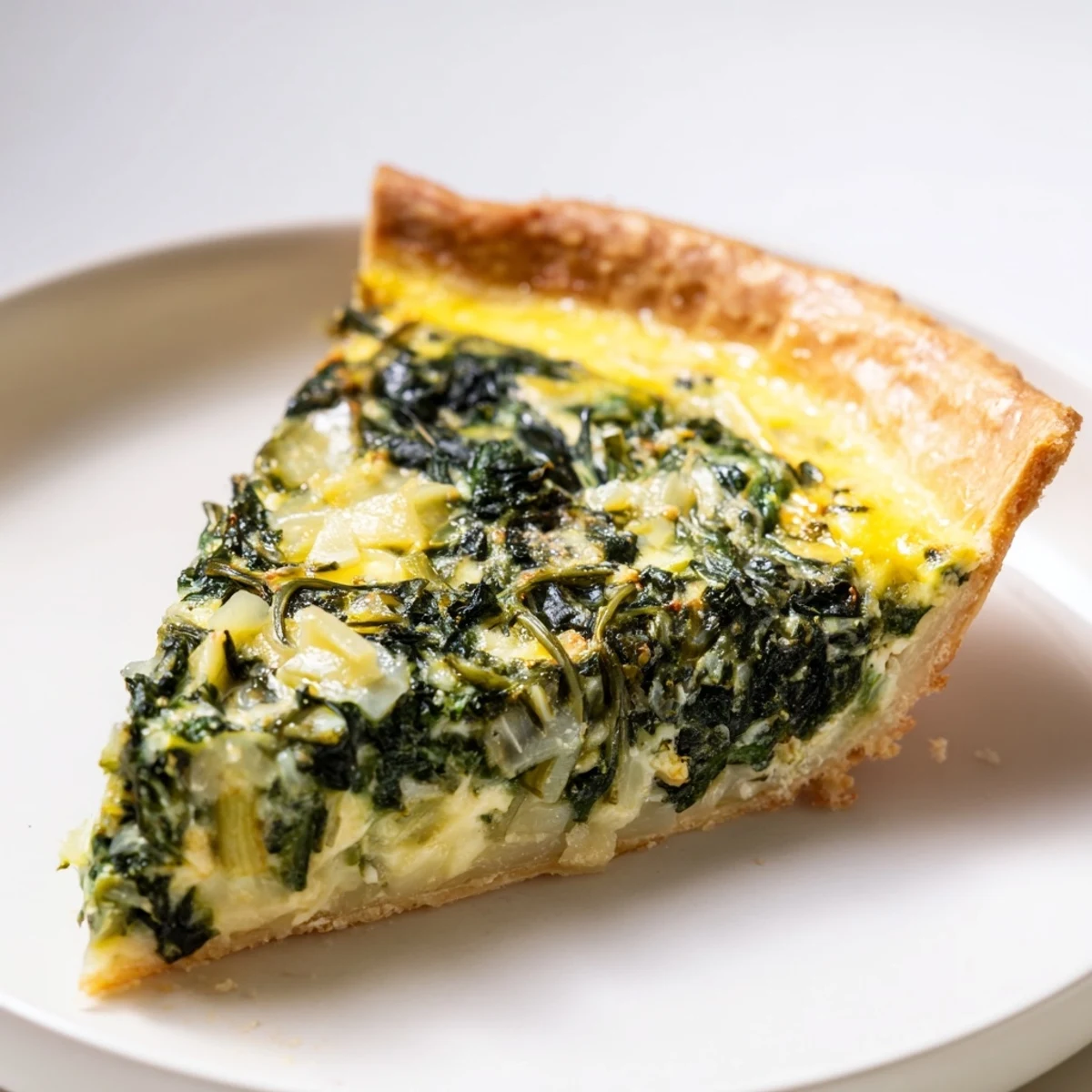
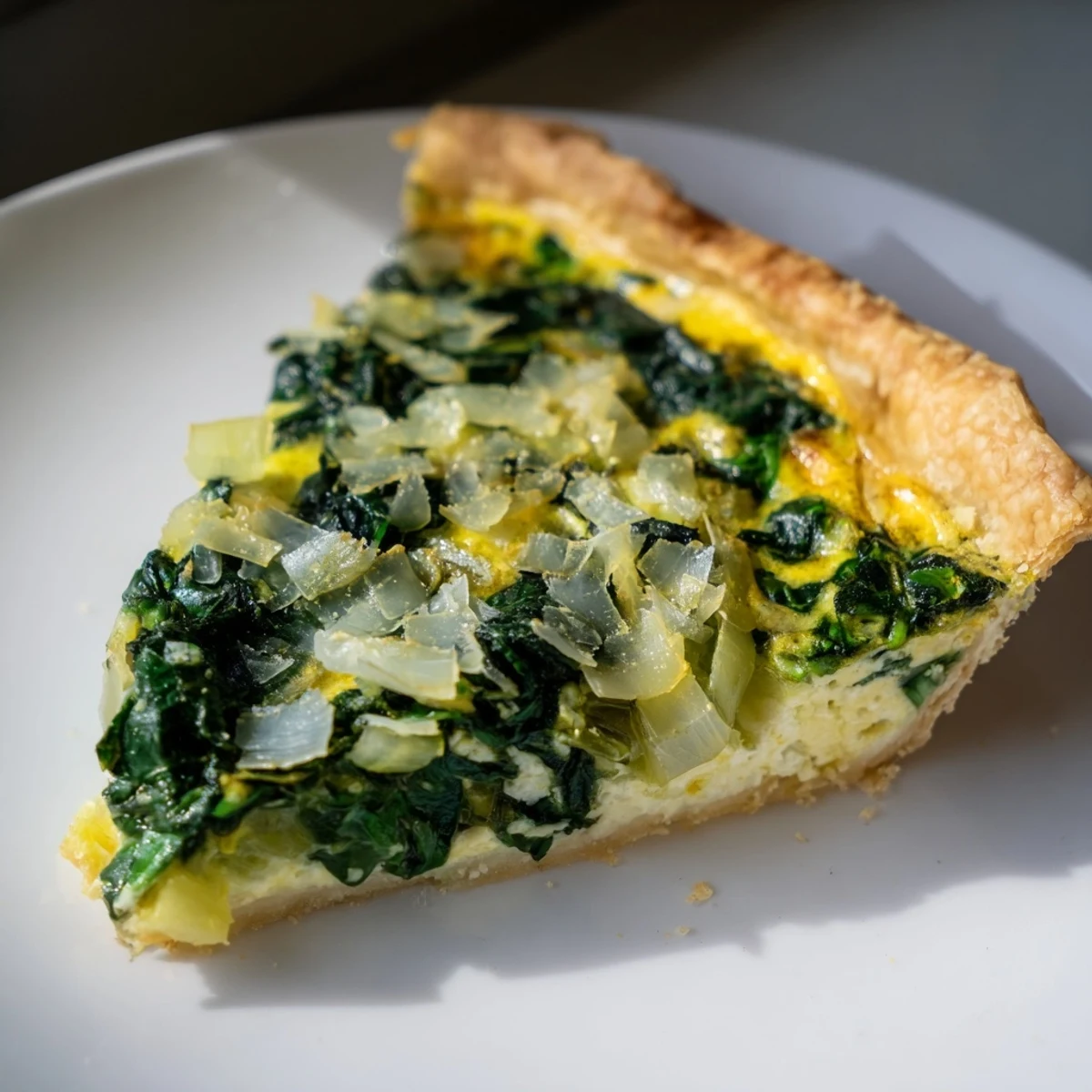
 This French-inspired savory tart features a crisp, buttery crust filled with a creamy custard of eggs, milk, and cream, complemented by fresh sautéed spinach and grated Gruyère cheese. A hint of nutmeg adds gentle warmth to the filling, making it a versatile choice for brunch or a light meal. The crust is pre-baked for a golden base, then combined with the rich filling and baked until just set and lightly golden on top. Serve warm or at room temperature, optionally paired with a green salad for a complete dish.
I first tasted a proper quiche at a small café in Lyon, tucked into a quiet corner of the old town where the light filtered through lace curtains and the smell of butter and eggs seemed to linger in the air itself. The owner, a woman with flour perpetually on her apron, explained that a good quiche wasn't fancy—it was just about treating each ingredient with respect and patience. Years later, I realized she was teaching me one of the most important lessons in French cooking: simplicity done well is its own luxury. This savory spinach quiche is my love letter to that moment, and to every brunch table where it has quietly become the dish people ask for.
I remember making this for my sister's baby shower, arriving early to slide it into her oven while she was still in her robe with two cups of coffee in her hands. By the time everyone arrived, the kitchen smelled like a Parisian patisserie, and she whispered to me that the quiche was already the thing people were talking about. That's when I understood: this dish has the quiet confidence of something that knows exactly who it is.
Ingredients
- All-purpose flour (1 1/4 cups): The foundation of your crust—measure by weight if you can, as it's more reliable than volume, and makes a real difference in texture.
- Salt (1/2 teaspoon for crust, 1/2 teaspoon for filling): A small amount but essential; it awakens every other flavor and prevents the filling from tasting flat.
- Unsalted butter, cold and cubed (8 tablespoons): Cold butter is non-negotiable here—it creates those flaky layers everyone loves. Cut it into small pieces before you start.
- Ice water (3-4 tablespoons): The temperature matters more than you'd think; warm water will make the dough tough and greasy.
- Olive oil (1 tablespoon): A light hand here; it's just enough to coax the onions into sweetness without overwhelming the delicate filling.
- Yellow onion, finely chopped (1 small): Sweetens as it cooks and becomes almost creamy in the custard—this is why the quiche tastes so much better than the sum of its parts.
- Fresh spinach, roughly chopped (3 cups): It will wilt down dramatically; don't be timid about the volume. Squeeze out excess moisture after cooking so your quiche doesn't become watery.
- Large eggs (4): Room temperature if possible; they blend more smoothly and create a silkier custard.
- Whole milk (1 cup): The gentler choice compared to all cream, creating a custard that's rich but not heavy.
- Heavy cream (1/2 cup): This is where the luxury lives; it adds body and a subtle richness that makes the filling feel indulgent.
- Freshly grated nutmeg (1/4 teaspoon): This is the magic. Freshly grated transforms the whole dish. Ground nutmeg from a tin tastes like dust in comparison.
- Ground black pepper (1/4 teaspoon): A small whisper of spice that you won't identify but will notice if it's missing.
- Gruyère cheese, grated (1 cup): Gruyère melts beautifully and adds a subtle nuttiness. If you can't find it, Swiss works, though it's slightly milder.
Instructions
- Build the Crust:
- Combine your flour and salt in a bowl—this matters because it distributes the salt evenly. Now comes the most important part: add your cold butter cubes and use your fingertips or a pastry cutter to break them down. You're aiming for a texture like coarse breadcrumbs or small peas. This step takes patience but it's where the flake in your crust comes from. Sprinkle ice water over the mixture, one tablespoon at a time, and stir gently with a fork until the dough just barely comes together. It should be slightly shaggy—too much mixing develops gluten and makes the crust tough. Shape it into a flat disk, wrap it, and let it rest in the refrigerator for 15 minutes while you gather your other ingredients.
- Blind Bake the Crust:
- Roll out your chilled dough on a lightly floured surface until it's about an eighth of an inch thick, turning it occasionally to keep it even. Fit it into your 9-inch pan, letting the edges hang slightly over the rim, then trim away the excess. This is where you do something that seems strange but prevents a soggy bottom: prick the base all over with a fork. Line the crust with parchment paper and fill it with pie weights, dried beans, or even crumpled foil. Bake at 375°F for 10 minutes, then carefully remove the weights and paper, and bake for another 5 minutes until the crust is pale golden and set. This partial baking ensures you'll have a crisp, not-soggy crust—the difference between a quiche that disappoints and one that sings.
- Cook the Vegetables:
- Heat olive oil in a skillet over medium heat and add your finely chopped onion. You're looking for it to turn translucent and slightly sweet—this takes about 3 minutes of gentle stirring. Now add your spinach (yes, it looks like a mountain of greens, but trust the process) and cook, stirring occasionally, until it's completely wilted and any excess moisture has cooked off. This takes only about 2 minutes. Spread this mixture on a plate and let it cool for a minute or two—you don't want it hot when you combine it with the eggs or you'll end up with scrambled eggs instead of custard.
- Mix the Custard:
- In a clean bowl, whisk together your eggs, milk, and cream until smooth. Add the nutmeg—and I can't stress this enough, grate it fresh—along with salt and pepper. Taste the custard (yes, really) and adjust the seasoning. This is the base of your quiche, so it should taste savory and rounded, not bland.
- Assemble and Bake:
- Spread your cooled spinach and onion mixture evenly over the blind-baked crust. Sprinkle the grated Gruyère over the vegetables. Pour the custard mixture over everything, filling the shell until just below the rim. Bake at 375°F for 25 to 30 minutes. You're looking for the center to be just set—it should jiggle very slightly in the absolute middle but feel firm everywhere else. The top will be lightly golden. If it's browning too quickly, tent it loosely with foil.
- Rest and Serve:
- Remove the quiche from the oven and let it cool for 10 minutes on a rack. This isn't just about comfort; it allows the custard to set fully so it slices cleanly. Slice into wedges and serve warm or at room temperature. Both are perfect.
 Pin Recipe
 There's a moment, about halfway through baking, when you glance through the oven window and see the custard beginning to rise slightly, turning that beautiful pale golden color, and you know it's going to be good. That moment—that quiet confidence—is what keeps me making this quiche again and again.
Why This Quiche Works for Everything
A quiche sits in that perfect middle ground between ambitious enough to impress and simple enough to make without stress. Serve it warm for brunch with a simple green salad and champagne, or pack cold slices for lunch with crusty bread and good butter. It's equally at home at a dinner party or a picnic blanket. This is the mark of a truly good dish—it doesn't demand a specific moment or a formal table. It just asks that you treat it with a little care while making it.
The Secret Lives of Flavor Variations
Once you understand the basic quiche—the ratio of eggs to cream to milk, the blind-baked crust, the gentle seasoning—it becomes a canvas. The spinach and Gruyère are lovely, but sautéed mushrooms with thyme create an earthier version that feels like autumn. Sun-dried tomatoes and fresh basil bring brightness. Caramelized onions and goat cheese make it feel Mediterranean. The filling stays the same; only the vegetables change. This is how home cooking becomes personal cooking.
From Kitchen Wisdom to Your Table
Making a quiche teaches you things that go far beyond this one recipe. You learn why cold butter matters, why proper seasoning makes the difference between forgettable and memorable, why patience in cooking is its own reward. You learn that the best meals are often the ones that don't announce themselves—no fancy techniques or hard-to-find ingredients, just respect for good food done thoughtfully.
- Make this on a quiet morning when you're not rushed; good quiches reward the unhurried baker.
- If you don't have a tart pan, a regular pie pan works beautifully—the shape doesn't matter as much as the technique.
- Quiche tastes just as good the next day, making it perfect for entertaining or meal prep; it actually settles into itself overnight.
 Pin Recipe
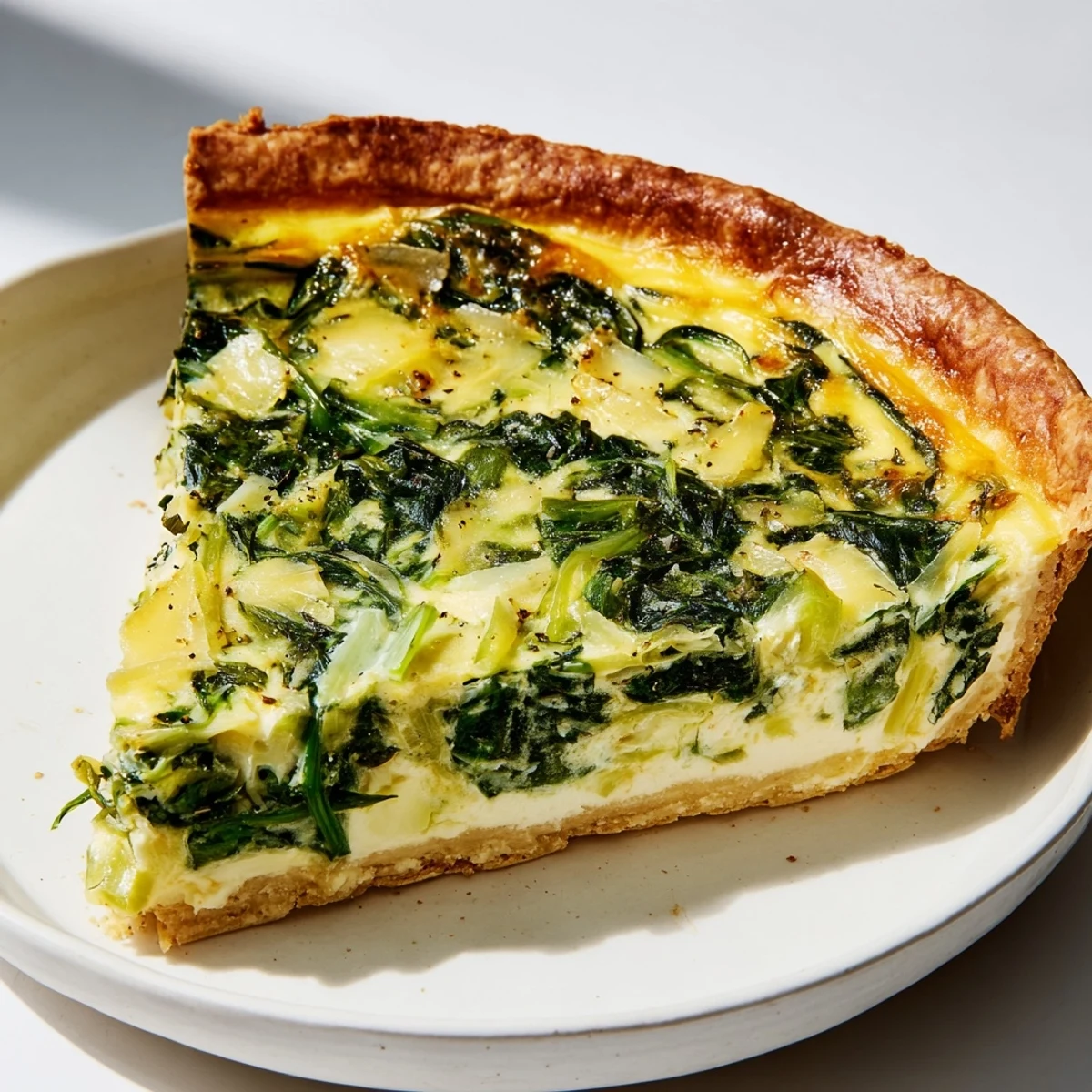
 This quiche taught me that sometimes the most elegant dishes are the ones that feel effortless—not because they are, but because the effort goes into the details no one sees. Make this for someone you love, and watch how a slice of quiche becomes more than just food; it becomes a moment shared.
Recipe FAQs
- → What type of cheese works best in this dish?
-
Gruyère cheese offers a creamy, nutty flavor ideal for this tart, but Swiss or cheddar can be good alternatives.
- → Can I prepare the crust ahead of time?
-
Yes, the buttery crust can be made ahead, chilled, and rolled out just before filling and baking.
- → How do I ensure the filling sets properly?
-
Mix eggs with milk and cream thoroughly, bake at medium heat until the center is just set and the top turns lightly golden.
- → Is fresh spinach required or can frozen be used?
-
Fresh spinach is preferred for texture and flavor, but well-drained frozen spinach can be substituted.
- → What variations can enhance the flavor?
-
Adding sautéed mushrooms or sun-dried tomatoes boosts earthiness and depth of flavor.
