
 Pin Recipe
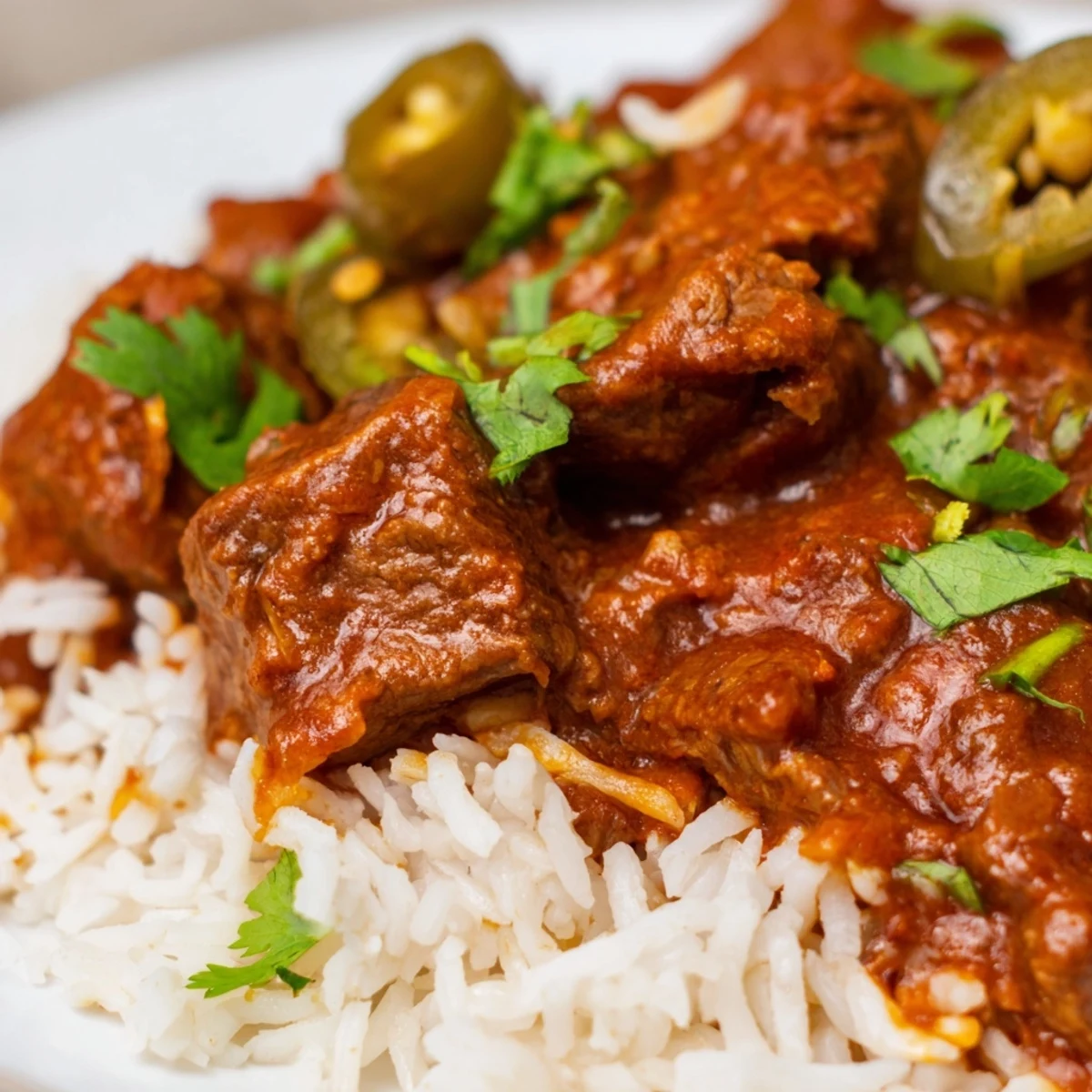
 This dish blends tender beef cubes slowly cooked in a richly spiced sauce featuring cumin, coriander, turmeric, and garam masala. The curry is enriched with coconut milk and fresh chilies for layered heat. It’s served over perfectly steamed, fluffy basmati rice, creating a harmonious balance between bold flavors and fragrant grains. A comforting meal ideal for those who enjoy warming spices and savory depth.
My neighbor brought over a container of spicy beef curry one rainy evening, and I watched her ladle it over rice with this practiced ease that made me feel like I was missing out on something essential. The aroma hit me first—warm spices, beef so tender it fell apart, coconut milk mellowing the heat just enough. I asked for the recipe that night, and after making it three times, I finally understood why she'd looked so peaceful while cooking it.
I made this for my sister's birthday dinner, and she was so quiet while eating that I thought something was wrong—but she was just fully concentrated on the food. Afterward, she asked if I could teach her, and we've made it together every few months since then, always with the same shared knowing that some meals just matter more than others.
Ingredients
- Beef chuck: Two pounds of this tougher, fattier cut transforms into silk during long simmering, so don't skimp or try a leaner cut—you need the connective tissue to break down into body and richness.
- Onion, garlic, and ginger: These three build your flavor foundation, and getting the onion to true golden brown (not just softened) makes a real difference in depth.
- Tomato paste: This concentrate adds umami and slight acidity; cook it for a minute before adding tomatoes to deepen its flavor and remove any tinny taste.
- Diced tomatoes: Use canned—fresh tomatoes have too much water and won't reduce down to the rich consistency you want.
- Beef broth: Skip the bouillon; it tends to be too salty and flat-tasting for a curry this complex.
- Ground cumin: Two teaspoons sounds like a lot, but it's the spine of the spice blend and shouldn't be shy here.
- Ground coriander: This adds a subtle sweetness and floral note that balances the heat without announcing itself.
- Turmeric: Beyond color, it brings an earthy warmth that ties everything together—the real secret ingredient most people overlook.
- Chili powder: This is where you control the heat; start with less and taste as you go, especially if you're cooking for others.
- Garam masala: The warming spice blend that makes this taste authentically rich and complex rather than one-note spicy.
- Ground cinnamon: Just a whisper, but it adds an unexpected warmth and sweetness that rounds out the savory heat.
- Fresh green chilies: These are optional, but if you add them, slice them lengthwise and leave the seeds in for maximum effect.
- Coconut milk: Full-fat is non-negotiable—it tames the spices and creates a creamy sauce that clings to every bite of beef.
- Fresh cilantro: Don't skip the garnish; its brightness cuts through the richness and makes the whole dish feel alive.
- Basmati rice: The long grains stay separate and fluffy, letting each kernel absorb the curry rather than clumping into mush.
Instructions
- Brown the beef:
- Heat oil until shimmering, then add beef in batches—don't crowd the pan or it'll steam instead of brown. You want a deep golden crust that seals in flavor, taking about three to four minutes per batch.
- Build your aromatics:
- Once the beef is out, add chopped onions to the same pot without cleaning it; those caramelized bits are liquid gold. Stir constantly for about eight minutes until the onions turn golden and start to smell sweet rather than raw.
- Add garlic and ginger:
- Toss in the minced garlic and grated ginger, stirring for just one minute until the raw edge disappears and the aroma becomes fragrant instead of sharp.
- Deepen with tomato:
- Stir in tomato paste and let it cook for a full minute, coating the onions; this removes any tinny flavor and adds concentrated depth. Follow with your diced tomatoes and cook for two to three minutes, letting the tomato soften and the raw acidity cook off.
- Bloom the spices:
- Add all your ground spices—cumin, coriander, turmeric, chili powder, garam masala, cinnamon—along with salt and pepper, stirring constantly for about one minute so they toast slightly and release their essential oils. You'll smell the difference immediately.
- Simmer the beef:
- Return the browned beef to the pot, pour in beef broth, and bring to a steady simmer. Cover and let it cook on low heat for a full hour, stirring occasionally; the beef will gradually soften and the flavors will meld into something greater than their parts.
- Finish with coconut and heat:
- Stir in coconut milk and add fresh green chilies if you're using them, then simmer uncovered for twenty to thirty minutes longer, letting the sauce reduce and thicken while the beef reaches that final fall-apart tenderness. Taste and adjust seasoning as needed.
- Cook the rice:
- Rinse basmati rice under cold running water for about thirty seconds, stirring gently with your fingers until the water runs almost clear; this removes excess starch so grains stay separate. Combine rinsed rice, water, butter or ghee, and salt in a saucepan, bring to a boil uncovered, then cover tightly, reduce heat to the lowest setting, and cook for exactly fifteen minutes without peeking.
- Rest and fluff:
- Remove the rice from heat while still covered and let it sit for five minutes; this allows any remaining moisture to redistribute evenly. Fluff gently with a fork, breaking up any clumps, and serve immediately alongside your curry.
 Pin Recipe
 I burned my hand on the pot lid while steam was escaping, and my sister laughed while helping me run it under cold water—and somehow that small accident made the meal feel even more real and worth the effort. Now whenever I cook this, I remember that moment and move a little slower, a little more intentionally, because food tastes better when you're present while making it.
The Spice Balance
The first time I made this, I treated every spice like a separate voice—cumin loud, coriander loud, everything competing. I learned that cooking them together for that one minute before adding the beef is when they stop fighting and start harmonizing, each one supporting the others instead of trying to dominate. The turmeric especially needs that bloom; it transforms from dusty and earthy into warm and integrated, threading through the whole sauce like a golden note you feel rather than taste.
Beef, Patience, and Transformation
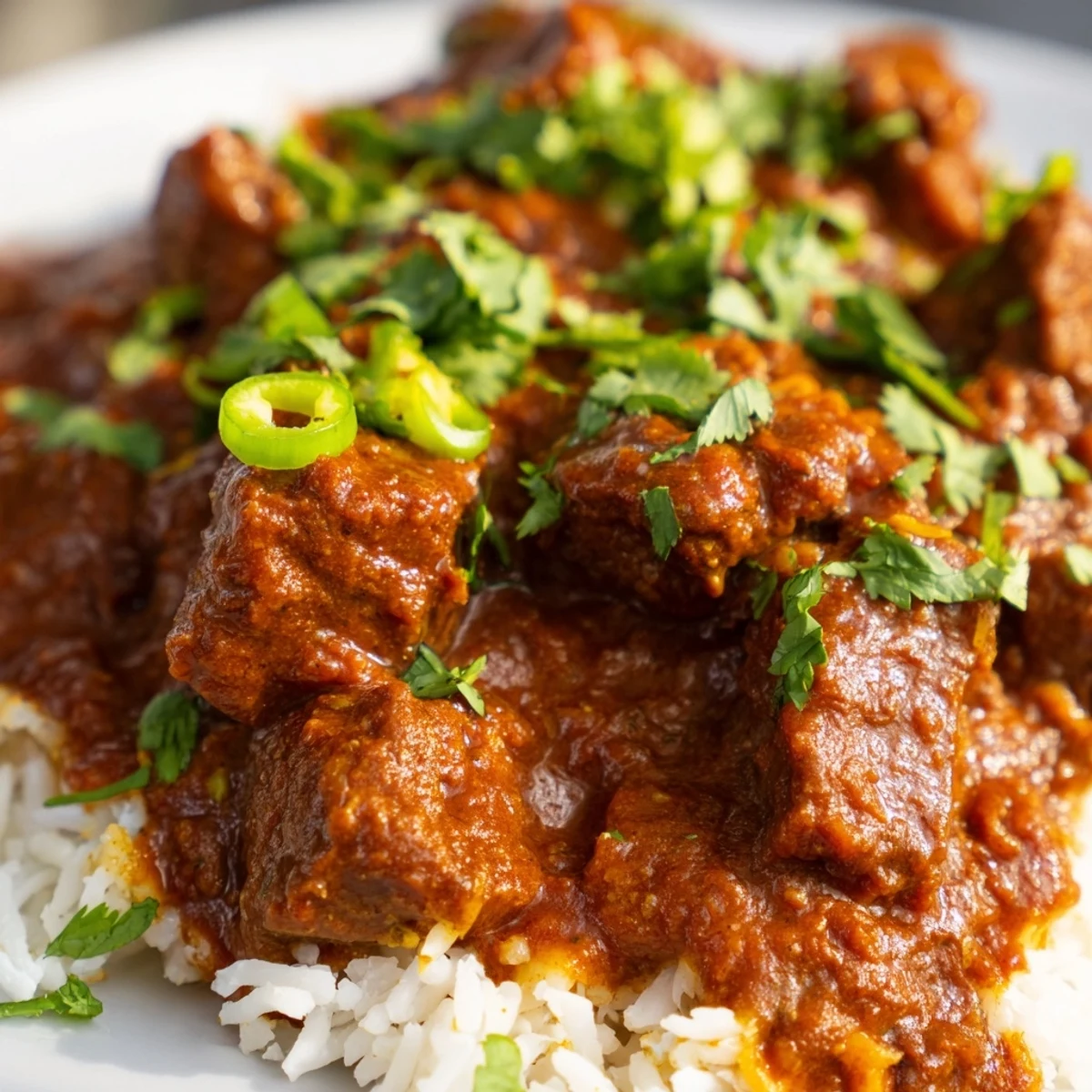
Beef chuck is not glamorous, but it's exactly what makes this curry work—the fat and connective tissue break down into gelatin and richness that a lean cut will never give you, creating a sauce that clings to rice and feels substantial rather than thin. I watched the beef pieces slowly soften from firm and resistant to so tender they practically dissolve, and that visible transformation is part of why this dish feels like more than just cooking. The hour of simmering is not negotiable; it's the time the beef needs to surrender completely.
Rice as Your Canvas
Basmati rice is not just a side—it's your vehicle for the curry, and rinsing it properly makes a tangible difference in how the grains stay separate and individual rather than merging into porridge. I learned to rinse until the water is almost clear, letting the starch wash away, and then to respect the exact timing: fifteen minutes at a low simmer, five minutes resting covered. Once you nail this, you'll notice that each grain absorbs the curry without weighing it down, and the texture becomes something you actually notice and enjoy.
- Rinsing is non-negotiable—it's the difference between fluffy individual grains and a sticky, starchy mass.
- Don't peek under the lid while the rice cooks; steam is doing essential work in there and letting it escape throws off the timing.
- If you're short on time, cook the rice while the curry is simmering its final thirty minutes, so everything finishes together and tastes freshest.
 Pin Recipe
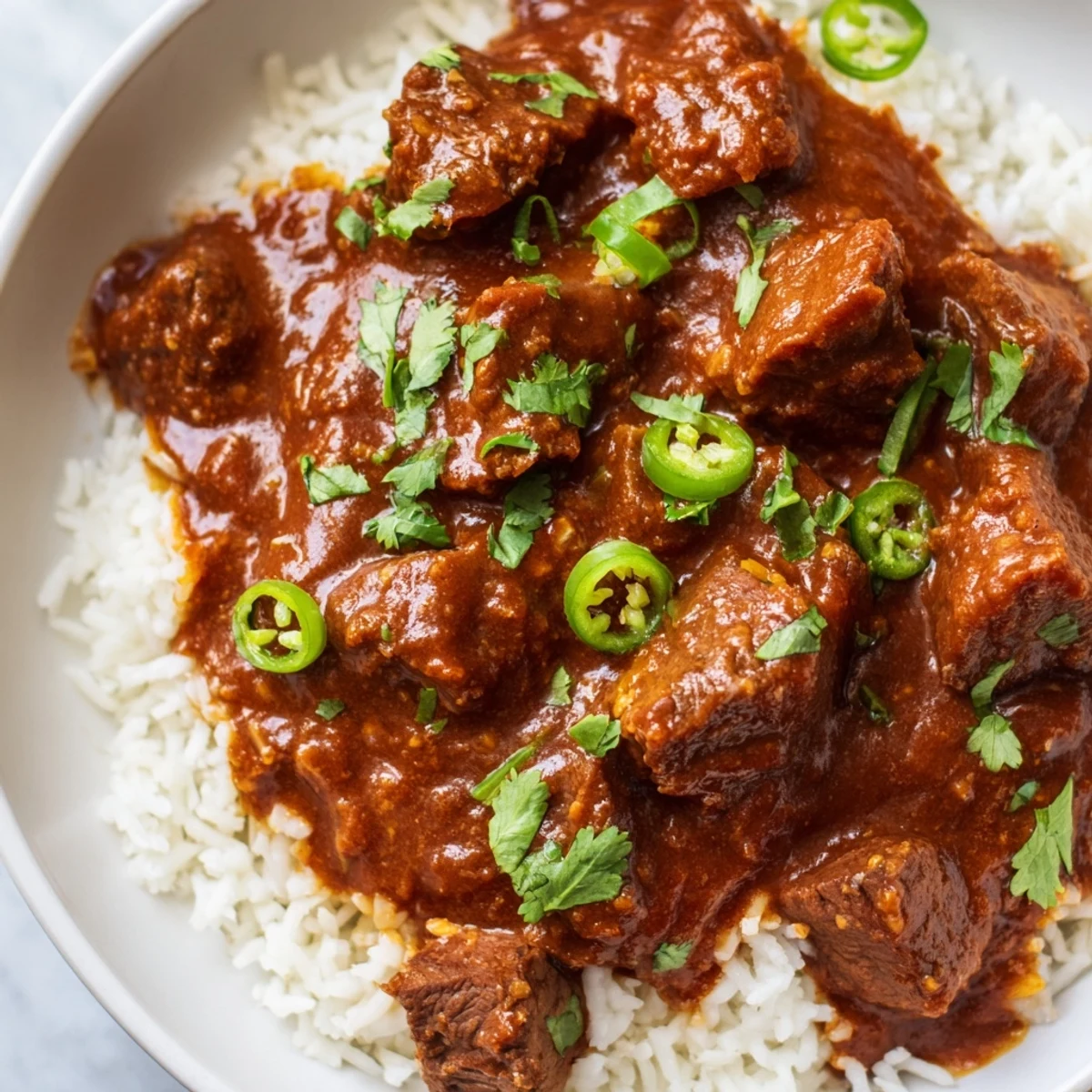
 This curry taught me that the best meals aren't always complicated—they're just cooked with attention and made with someone in mind. Serve it warm, with cilantro scattered on top and maybe a side of cooling yogurt or crisp cucumber raita if your guests prefer to dial down the heat.
Recipe FAQs
- → How do I ensure the beef becomes tender?
-
Simmer the beef slowly over low heat for at least an hour until it becomes tender and absorbs the spices deeply.
- → Can I adjust the spice level?
-
Yes, modify the chili powder and fresh green chilies to match your preferred heat intensity.
- → What’s the best way to cook basmati rice?
-
Rinse the rice until water runs clear, then cook it covered with butter or ghee to keep it fluffy and aromatic.
- → Are there suitable substitutions for beef?
-
Lamb or chicken can be used instead, but adjust the cooking time to ensure tenderness.
- → What ingredients provide the dish’s rich flavor?
-
Aromatic spices like cumin, coriander, turmeric, garam masala, cinnamon, and coconut milk create its deep, robust taste.
