
 Pin Recipe
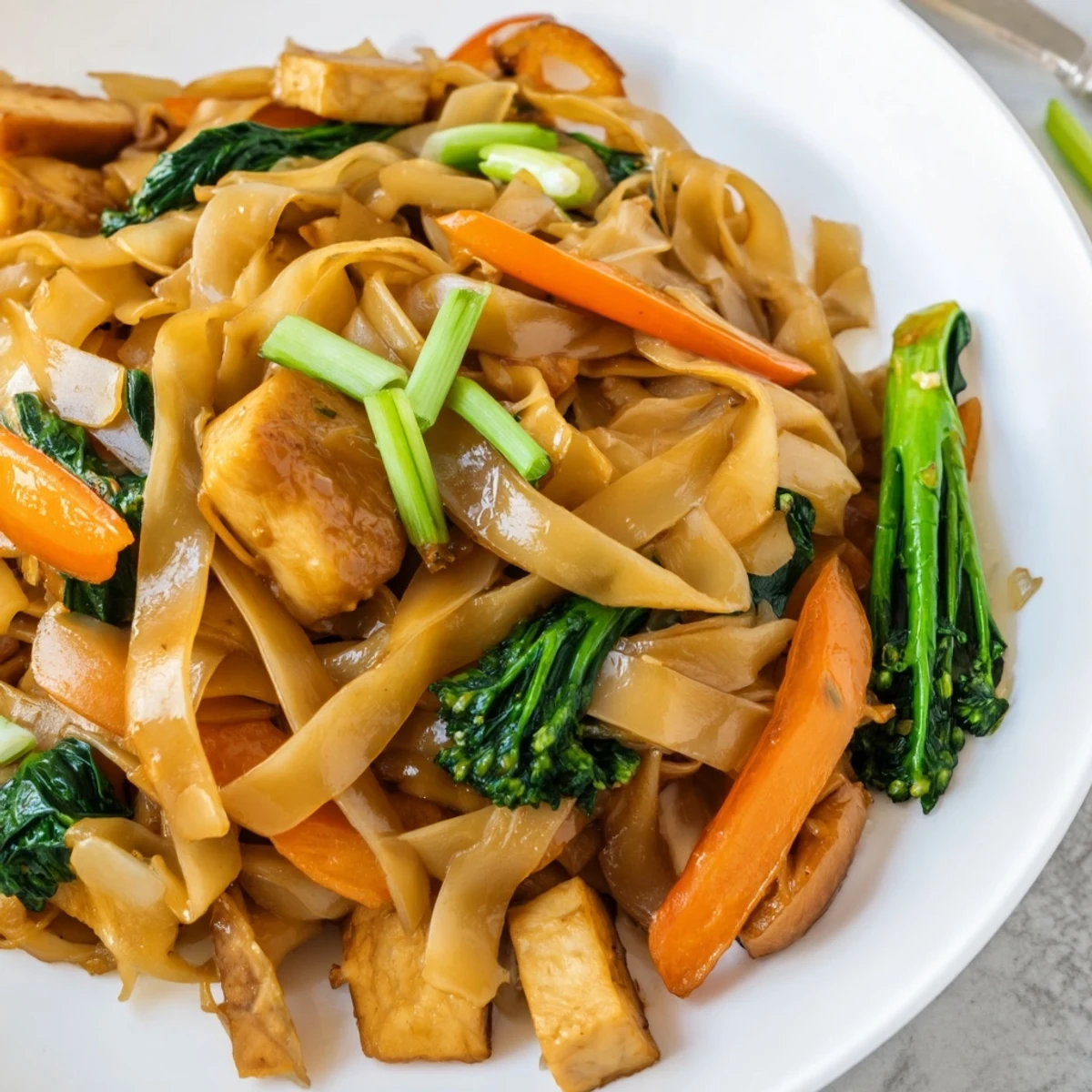
 This beloved Thai street food classic features wide rice noodles stir-fried to smoky perfection with tender tofu, crisp Chinese broccoli, and colorful vegetables. The savory sauce combines light and dark soy with vegan oyster sauce for that signature umami depth. Ready in just 30 minutes, this plant-based version delivers all the authentic flavors of traditional Pad See Ew while being completely dairy-free and easily adaptable to your favorite vegetables.
The steam rising from a wok full of wide rice noodles has this way of making an entire kitchen feel warmer somehow more complete. I first attempted pad see ew after a particularly underwhelming takeout experience that left me convinced I could do better at home. The sizzle of tofu hitting hot oil became my Tuesday evening soundtrack for months. Now the scent of garlic and soy sauce together instantly transports me back to that first成功的 experiment where everything finally clicked into place.
My sister visited last winter and watched me make this commenting how something so simple looked so impressive. We ended up eating straight from the wok standing at the counter because waiting for plates felt impossible. The noodles were perfectly chewy the vegetables still crisp and that sauce had somehow reduced to coat everything in glossy perfection. Now whenever she comes over she asks if the wok is coming out.
Ingredients
- Light soy sauce: Foundation of the sauce bringing that essential salty umami base
- Dark soy sauce: Adds deep color and a slightly sweeter molasses like note
- Vegan oyster sauce: The secret ingredient that gives this dish its signature savory richness
- Sugar: Balances the salty elements helping achieve that classic Thai sweet savory profile
- Rice vinegar: Brightens everything up cutting through the richness
- Wide rice noodles: The heart of this dish fresh ones give the best chewy texture
- Firm tofu: Press it first for better browning and protein that really absorbs the sauce
- Chinese broccoli: Traditional choice with stems that stay crunchy and leaves that wilt beautifully
- Garlic: The aromatic foundation that makes everything smell incredible instantly
Instructions
- Mix your sauce ahead:
- Whisk together light soy sauce dark soy sauce vegan oyster sauce sugar rice vinegar and water in a small bowl. Having this ready means you will not be scrambling when the wok gets hot.
- Prep the noodles:
- Cook them according to package directions drain and toss with a little oil. Fresh noodles just need a quick rinse while dried ones might need soaking until pliable.
- Get your wok screaming hot:
- Heat oil over medium high heat and add minced garlic. Let it sizzle for just twenty seconds until fragrant but not brown.
- Crisp the tofu first:
- Add tofu strips and let them cook undisturbed for a couple minutes. Flipping them too often prevents that golden exterior from forming.
- Start with the hard vegetables:
- Add Chinese broccoli stems carrots and bell pepper. These need a head start to reach tender crisp perfection.
- Bring it all together:
- Pour in the noodles and sauce tossing gently to coat everything. Let the noodles touch the wok surface for that slight char that makes restaurant versions so special.
- Finish with the leaves:
- Add Chinese broccoli leaves last tossing just until wilted. They cook fast and you want them vibrant not sad and overcooked.
 Pin Recipe
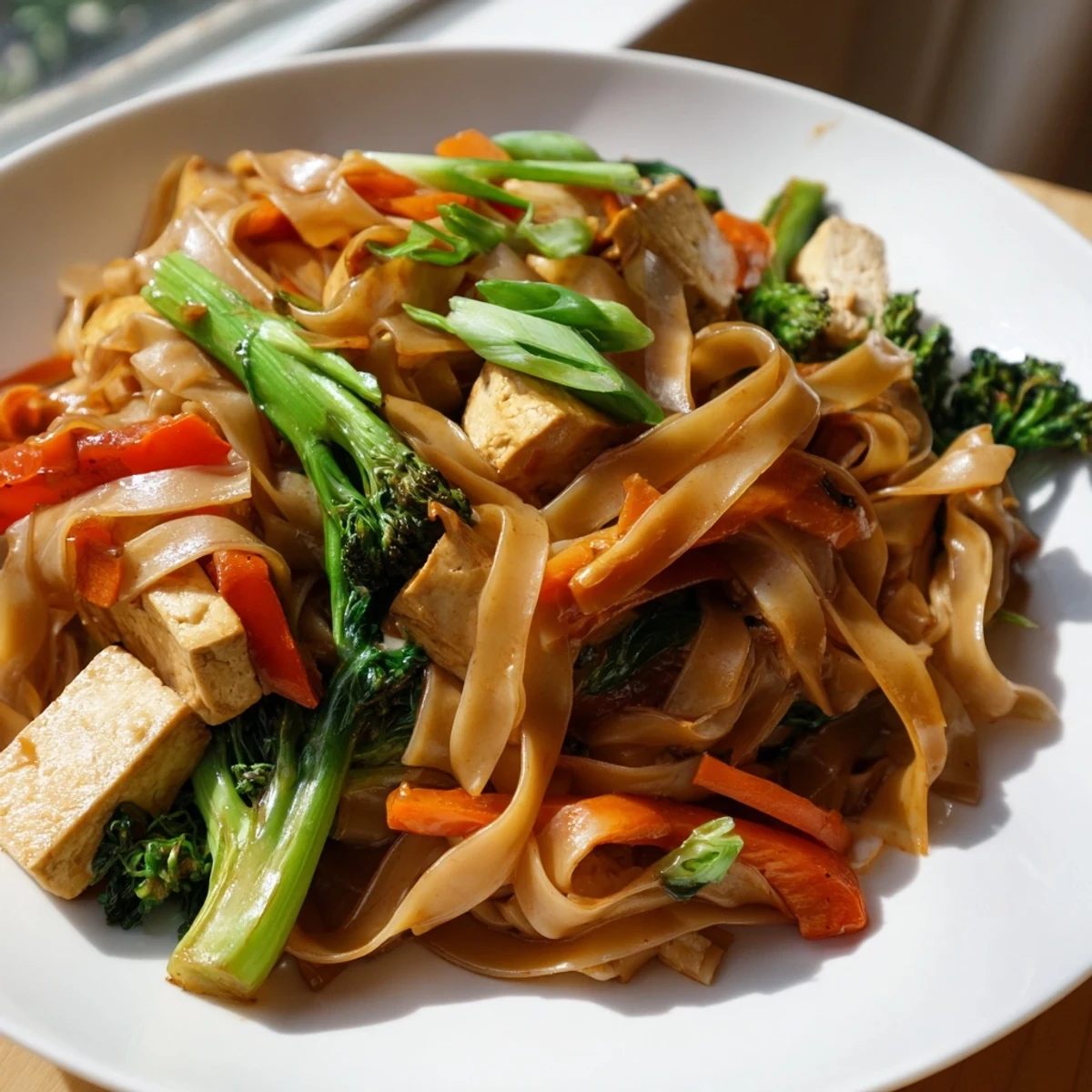
 This recipe became my go to for introducing friends to plant based cooking because it is so undeniably satisfying. Watching skeptics go back for seconds still brings me ridiculous amounts of joy. The best part is how customizable it is once you master the basic technique.
The Secret to Smoky Noodles
Letting the noodles actually touch the hot wok surface creates those charred spots that give pad see ew its distinctive flavor. Resist the urge to constantly toss and turn. Let them sit for ten to fifteen seconds before flipping. That brief contact with the metal makes all the difference between okay noodles and unforgettable ones.
Vegetable Swaps That Work
Chinese broccoli is traditional but honestly any sturdy green will work beautifully here. Bok choy adds a lovely mild sweetness while regular broccoli stems sliced thin mimic the crunch perfectly. Even kale works in a pinch especially if you massage it with a little oil first to soften the leaves. The key is adding hearty vegetables before delicate greens and adjusting cooking time accordingly.
Making It Your Own
Once you are comfortable with the base recipe the variations are endless. Cashews or peanuts sprinkled on top add fantastic crunch while a drizzle of chili oil brings welcome heat for spice lovers.
- Try adding shiitake mushrooms for extra umami depth
- A splash of coconut milk in the sauce creates a creamy variation
- Fried shallots on top add the perfect finishing texture
 Pin Recipe
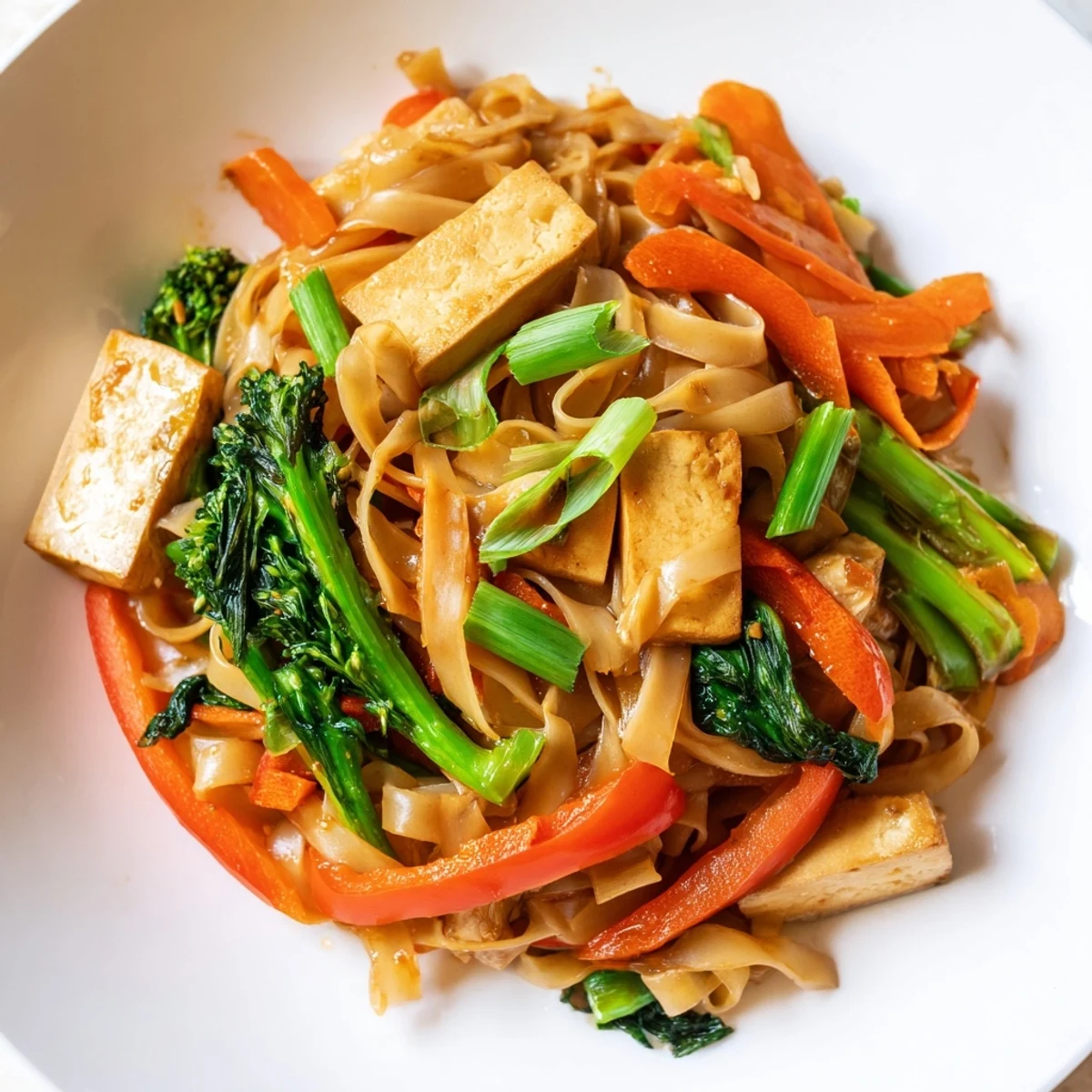
 There is something deeply satisfying about creating restaurant quality food in your own kitchen. This dish proved to me that vegan cooking could be every bit as complex and crave worthy as any other cuisine.
Recipe FAQs
- → What makes Pad See Ew different from other Thai noodle dishes?
-
Pad See Ew features wide rice noodles stir-fried with a distinctive sweet and savory soy-based sauce, unlike the thinner rice noodles and tamarind-based sauce found in Pad Thai. The noodles develop a slight char from high-heat cooking, creating a smoky wok flavor that defines this classic Thai street food.
- → Can I use dried rice noodles instead of fresh?
-
Absolutely. Soak dried wide rice noodles in warm water for 30-60 minutes until pliable, then boil briefly until tender but still chewy. Drain and toss with a little oil to prevent sticking before stir-frying. Fresh noodles provide the best texture, but properly prepared dried noodles work wonderfully.
- → What vegetables work best in this dish?
-
Chinese broccoli (gai lan) is traditional, adding pleasant bitterness and crunch. Broccolini, regular broccoli, bok choy, or kale make excellent substitutes. The classic trio includes Chinese broccoli, julienned carrots, and bell peppers, but snap peas, mushrooms, or baby corn also complement the flavors beautifully.
- → How do I achieve the smoky wok flavor at home?
-
Use a large wok or skillet over high heat, allowing the noodles to slightly char against the hot surface before tossing. Don't overcrowd the pan, and let ingredients sear briefly between tosses. This technique creates the prized smoky flavor known as 'wok hei' in traditional Thai cooking.
- → Is the sauce gluten-free?
-
Traditional soy sauce contains wheat, but this dish becomes gluten-free when using certified gluten-free soy sauce or tamari. Check all sauce labels carefully, especially the vegan oyster sauce substitute. Many brands now offer gluten-free alternatives that maintain the authentic umami flavor.
- → Can I meal prep this dish?
-
The sauce can be made up to a week ahead and stored refrigerated. Cooked Pad See Ew keeps well for 3-4 days in the refrigerator, though the noodles may soften. Reheat gently in a skillet over medium heat, adding a splash of water if needed. For best texture, cook fresh and enjoy immediately.
