
 Pin Recipe
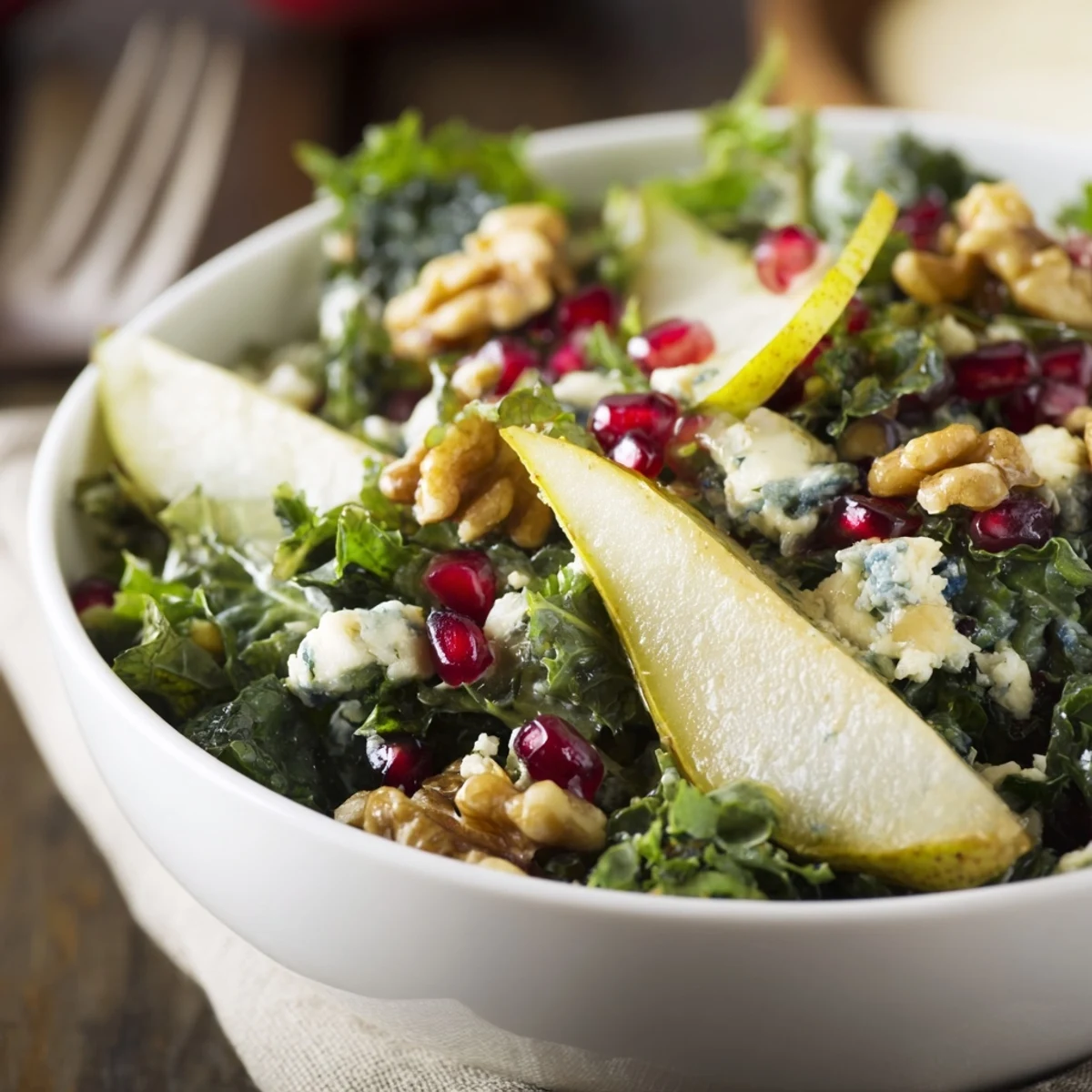
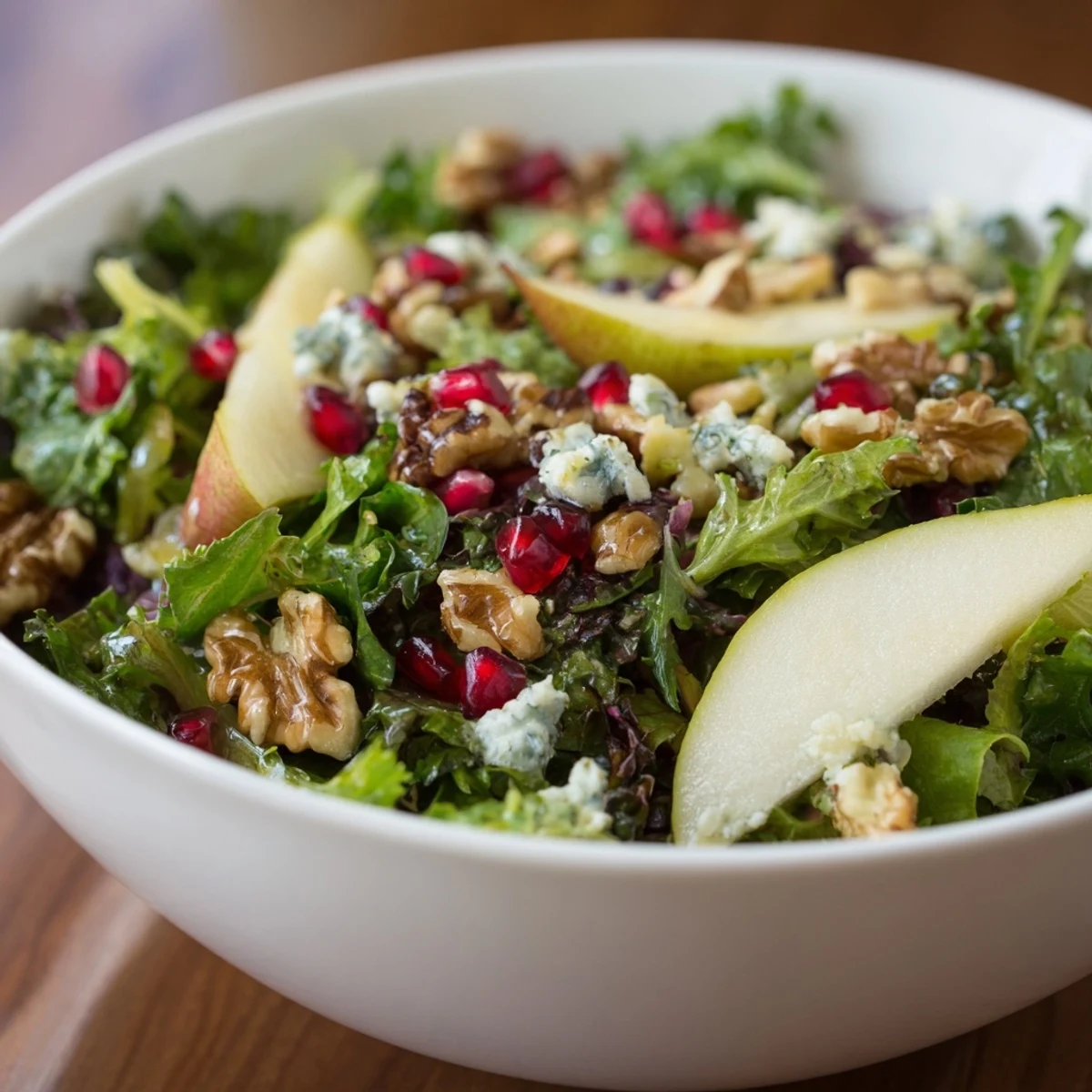
 This salad combines crisp winter greens like kale and arugula with sweet, thinly sliced pears and crunchy toasted walnuts. A simple vinaigrette made of olive oil, apple cider vinegar, Dijon mustard, and honey brings a bright, balanced flavor. Optional blue or goat cheese adds creaminess, while pomegranate seeds provide a festive touch. Ready in just 15 minutes, it’s ideal for light meals or starters, catering to vegetarian and gluten-free diets.
Last January, I was standing in my kitchen watching frost patterns on the window, feeling like every salad I'd made that month tasted like an afterthought. Then my neighbor stopped by with a bag of pears from her cold storage and a handful of toasted walnuts she'd made that morning, and something clicked—what if winter greens didn't have to feel heavy or dull? That conversation turned into this salad, and now it's become my answer to those gray, dreary days when you need something that tastes alive.
I made this for a small dinner party on a freezing February evening, and it became the thing everyone talked about afterwards. One guest asked for the recipe three times because she couldn't believe something this simple could taste so complete, and honestly, that moment made me understand why people love feeding others.
Ingredients
- Mixed winter greens (120 g / 4 cups): Kale, arugula, baby spinach, or frisée all work beautifully—the slight bitterness and texture of winter greens is exactly what makes this salad interesting instead of forgettable.
- Ripe pears (2): Choose pears that yield slightly to pressure but aren't mushy; the sweetness cuts through the greens and adds a subtle sophistication that apples can't quite match.
- Walnut halves (60 g / ½ cup): Toast them yourself for 2–3 minutes in a dry skillet—that's the non-negotiable step that transforms them from a garnish into a real ingredient.
- Cheese (50 g / ½ cup, optional): Blue cheese adds sharp, salty contrast; goat cheese is creamier and more delicate; skip it entirely if you prefer vegan or dairy-free.
- Extra virgin olive oil (3 tbsp): This is where quality matters; a good oil carries the whole vinaigrette.
- Apple cider vinegar (1 tbsp): The slight fruity edge of apple cider vinegar feels at home here with the pears, unlike harsher red wine vinegar.
- Dijon mustard (1 tsp): The emulsifier that makes the dressing cling instead of pooling at the bottom, plus a subtle sophistication.
- Honey or maple syrup (1 tsp): Just enough to round out the acid without making it sweet—it's the difference between a vinaigrette and a salad dressing.
- Salt and black pepper: Finish tasting and seasoning at the very end; you'll need more than you think.
- Pomegranate seeds (2 tbsp, optional): If you use them, add them last so they stay whole and jewel-like instead of bleeding into everything.
Instructions
- Make the vinaigrette:
- Whisk together the olive oil, vinegar, Dijon, and honey in a small bowl until it emulsifies and thickens slightly—you'll actually feel it come together under the whisk. Taste it and adjust salt and pepper; at this stage it should taste a little sharper than you want the final salad to be, because the greens will mellow it out.
- Prep your vegetables:
- Slice the pears thinly and immediately toss them with a squeeze of lemon juice if you have it to prevent browning, though honestly they're fine for 10 minutes without it. Tear or chop the greens into bite-sized pieces if they're large, and put them in your salad bowl with the walnuts.
- Bring it together:
- Drizzle the vinaigrette over the greens and walnuts and toss gently—not aggressively, because you want everything coated but you don't want to bruise the delicate leaves. Add the pears at the last moment so they don't get overwhelmed by the acid.
- Finish and serve:
- Top with cheese if using it and pomegranate seeds if you have them, and serve immediately while everything is still crisp and the flavors are bright. This salad waits for no one—it's best the moment you plate it.
 Pin Recipe
 There's something about serving a salad that looks this good that changes the mood of a meal entirely. It stops being just food and becomes an act of saying, I wanted you to have something beautiful and fresh and tasting like winter in the best way.
Why Pears and Walnuts Are a Natural Pairing
This combination isn't accidental—it's been showing up in European kitchens for centuries because the sweetness of pears and the earthiness of walnuts actually need each other. The cool, slightly granular texture of a ripe pear plays against the buttery crunch of a toasted walnut in a way that feels almost musical, and neither one would be quite as interesting without the other sitting beside it.
Building Flavor in a Raw Salad
When nothing gets cooked, every ingredient has to pull its weight, which is why the quality of your greens, the ripeness of your pears, and the toasting of your nuts all matter so much. It's also why the vinaigrette becomes almost a dressing in the classical sense—it's not just something to wet the salad, it's an actual component that brings everything into conversation with each other.
Variations and Flexibility
The beauty of this salad is that it adapts to what you have and what season it is, which is exactly when you need it most. Apples work perfectly if pears aren't good, feta or ricotta can replace the blue cheese if that's what's in your fridge, and pomegranate seeds can be swapped for any seed or nut that's toasted and crunchy.
- Try adding thinly sliced red onion for a sharp bite if the salad feels too soft.
- A pinch of fresh thyme or a light hand of chopped mint can add unexpected brightness if you feel like it.
- If you're making this vegan, the salad stands completely on its own without any cheese at all.
 Pin Recipe
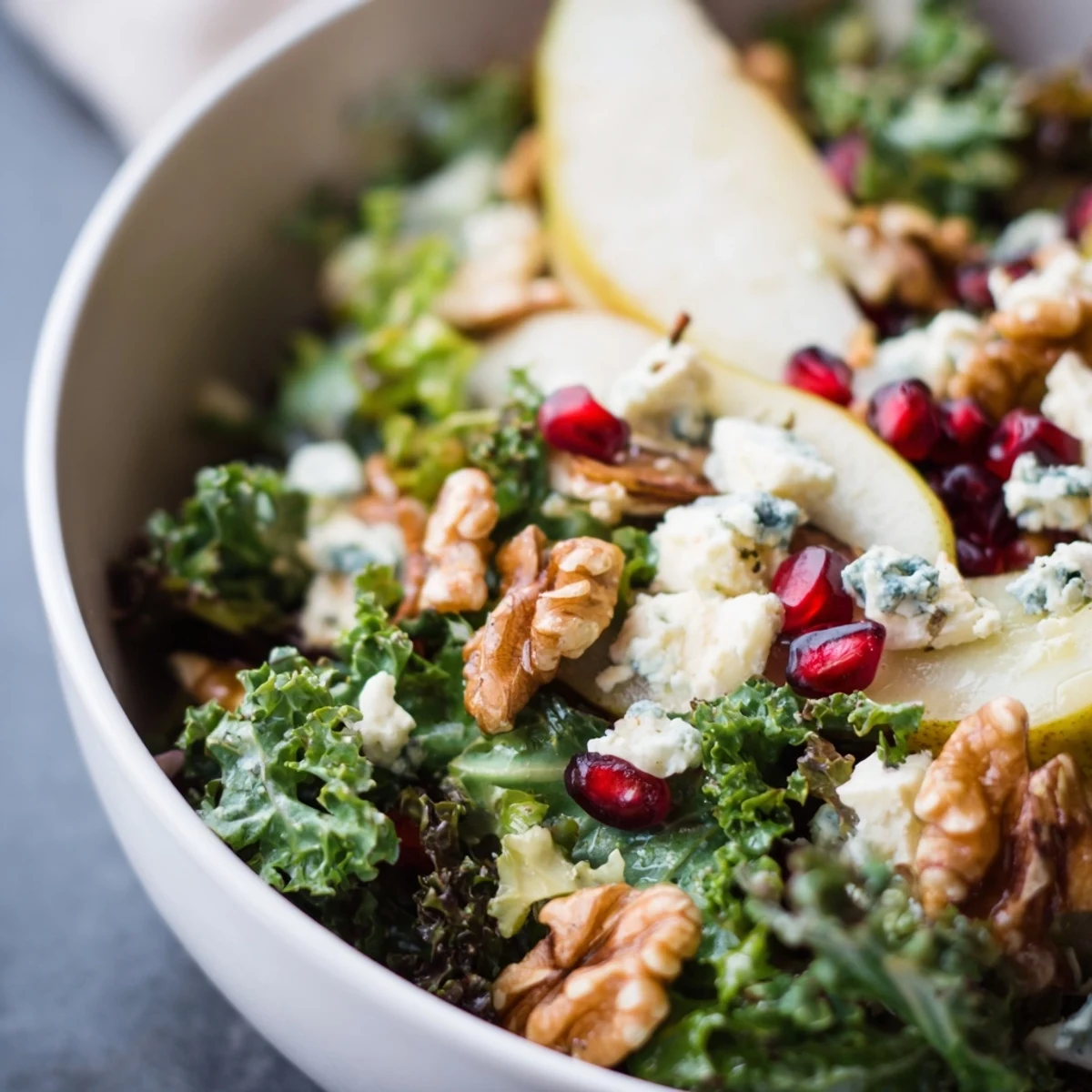
 This salad has taught me that sometimes the simplest thing—just good greens, fruit, nuts, and oil—can be exactly what you needed without knowing you needed it. Make it tonight, and you'll understand why it keeps showing up on my table all through the cold months.
Recipe FAQs
- → Can I substitute other fruits for pears?
-
Yes, apples make a great alternative, offering a similar crunch and sweetness to complement the greens and nuts.
- → How should I prepare the walnuts for better flavor?
-
Lightly toast walnuts in a dry skillet over medium heat for 2–3 minutes to enhance their nuttiness and crunch.
- → Is it necessary to use cheese in the salad?
-
Cheese adds a creamy texture and tang, but you can omit it for a dairy-free or vegan-friendly option without losing much flavor.
- → What dressing works best with this salad?
-
A vinaigrette made from extra virgin olive oil, apple cider vinegar, Dijon mustard, and honey complements the sweetness and bitterness of the ingredients.
- → Can this salad be prepared in advance?
-
For best texture, prepare the dressing and chop ingredients separately, then toss them together just before serving to keep greens fresh.
