
 Pin Recipe
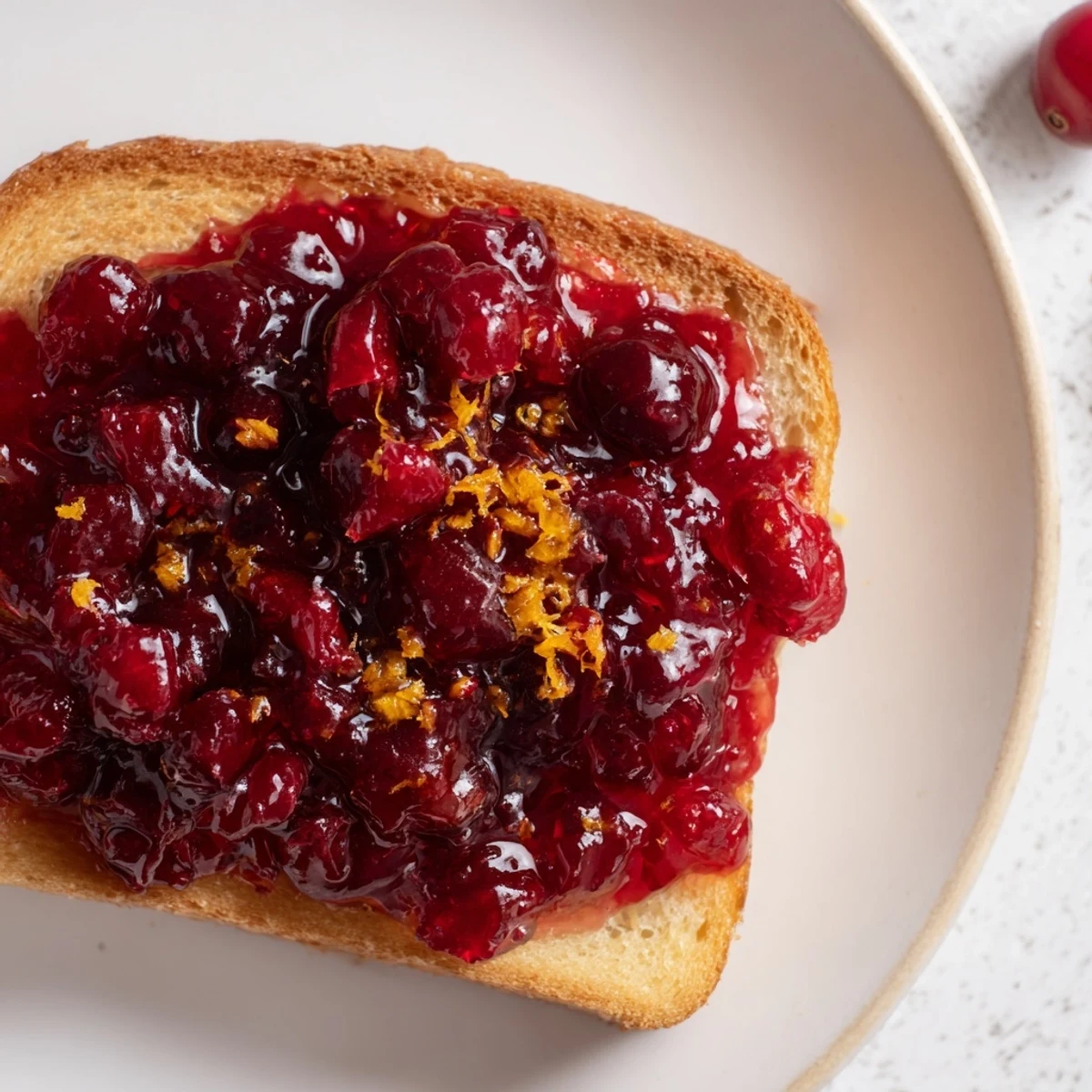
 This tangy and sweet cranberry spread is simmered to a luscious thickness, bursting with fresh cranberry flavor balanced by citrus zest and vanilla. Paired with crisp, golden toast, it creates a delightful texture contrast perfect for a quick breakfast or snack. The jam is easy to make with simple ingredients and can be customized with spices or reduced sugar. Serve warm or cooled, optionally with butter or cream cheese for added richness.
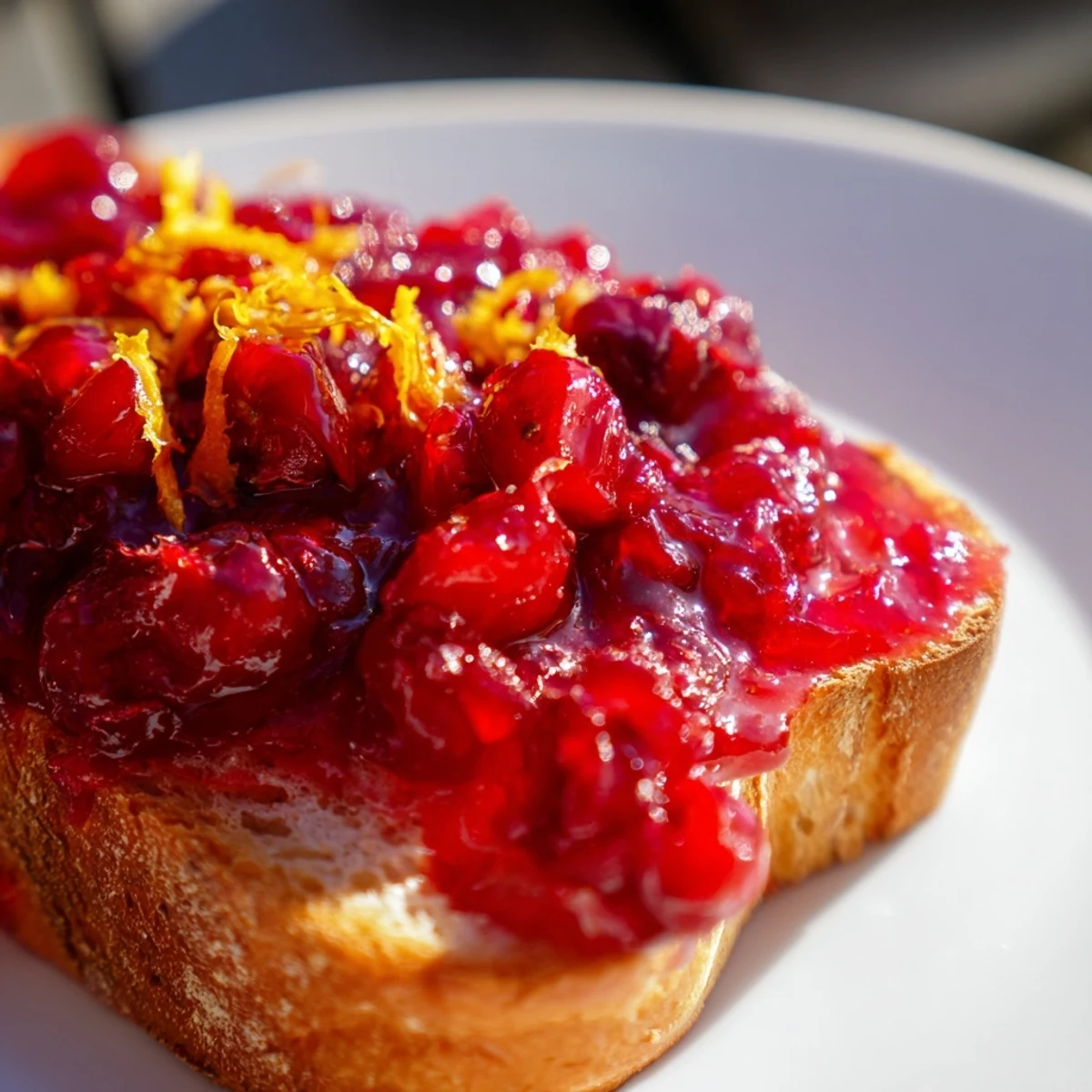
One November morning, my kitchen smelled like a farmers market had exploded—sharp, bright, almost tart before I'd even started cooking. I'd grabbed a bag of fresh cranberries on impulse, thinking I'd figure out what to do with them later, and by 10 AM, I was standing there with no plan except a vague memory of my grandmother's jam-making ritual. The result was this cranberry jam, tart and glossy, that turned an ordinary piece of toast into something that felt almost celebratory.
I made this for a friend's unexpected visit one rainy afternoon, and watching her eyes light up when she bit into the buttered toast covered in that ruby-red jam felt like I'd just shared something precious. She asked for the recipe immediately, which never happens—people usually just enjoy it and move on. Now whenever I make it, I think of that moment, how something so simple managed to feel special.
Ingredients
- Fresh or frozen cranberries: These are the star, tart and unapologetic; frozen ones work just as well as fresh, and sometimes even better since they're already broken down by ice.
- Granulated sugar: This sweetens the berries without overwhelming their flavor, and it's what gives jam its body and shine as it cooks.
- Orange juice and zest: Not just flavor—the juice adds acidity to help the jam set, and the zest keeps things bright and prevents the sweetness from becoming cloying.
- Water: A modest amount that helps everything cook evenly and prevents sticking on the bottom of the pan.
- Vanilla extract: A whisper of warmth that rounds out the tartness and makes people wonder what that something is.
- Salt: A pinch that amplifies the cranberry flavor and keeps the jam from tasting one-dimensional.
- Rustic bread: Sourdough or a country loaf gives you texture that holds up to the jam without becoming soggy.
- Unsalted butter: Optional, but it adds richness that turns toast into something worthy of the jam you've just made.
Instructions
- Combine everything in the pan:
- Grab a medium saucepan and dump in the cranberries, sugar, orange juice, zest, water, vanilla, and salt all at once. There's something satisfying about seeing all those ingredients together, waiting to become something greater.
- Bring to a gentle boil:
- Set the heat to medium and let it bubble, stirring every minute or so. You'll hear the berries start to pop after a few minutes—that's when you know it's really happening.
- Simmer and watch it transform:
- Lower the heat and let it bubble gently for 15 to 20 minutes, stirring often so nothing sticks to the bottom. The cranberries will burst open, the liquid will deepen to a jewel-like red, and the whole thing will slowly thicken; if you want smoother jam, mash the berries with the back of your spoon.
- Cool completely:
- Pull it off the heat and let it sit at room temperature for at least 30 minutes. This is where the magic happens—it'll thicken more as it cools, and the flavors will settle into something rounder and richer.
- Toast your bread:
- While the jam cools, get your bread golden and crisp in a toaster or warm it gently in a grill pan. The contrast between warm toast and that cool, thick jam is part of what makes this work.
- Butter and serve:
- If you're using it, spread a thin layer of butter on the warm toast while it's still steaming, then spoon the jam generously over the top. Eat it right away, while the toast is still crisp.
 Pin Recipe
 There's a quiet moment in my kitchen, usually on a weekend morning, when I pull out that jar of homemade jam and remember why I started making it in the first place. It's not just breakfast—it's proof that something worth having doesn't require hours of work or ingredients you can't pronounce.
The Orange Difference
I tried making this without orange juice once, thinking lemon might be brighter, and the jam tasted flat and one-dimensional in a way that sugar couldn't fix. The orange brings something almost honey-like to the tartness, a warmth that makes you want another bite. Fresh squeezed juice makes a noticeable difference if you have the time, but even bottled orange juice will work beautifully.
Texture and Thickness
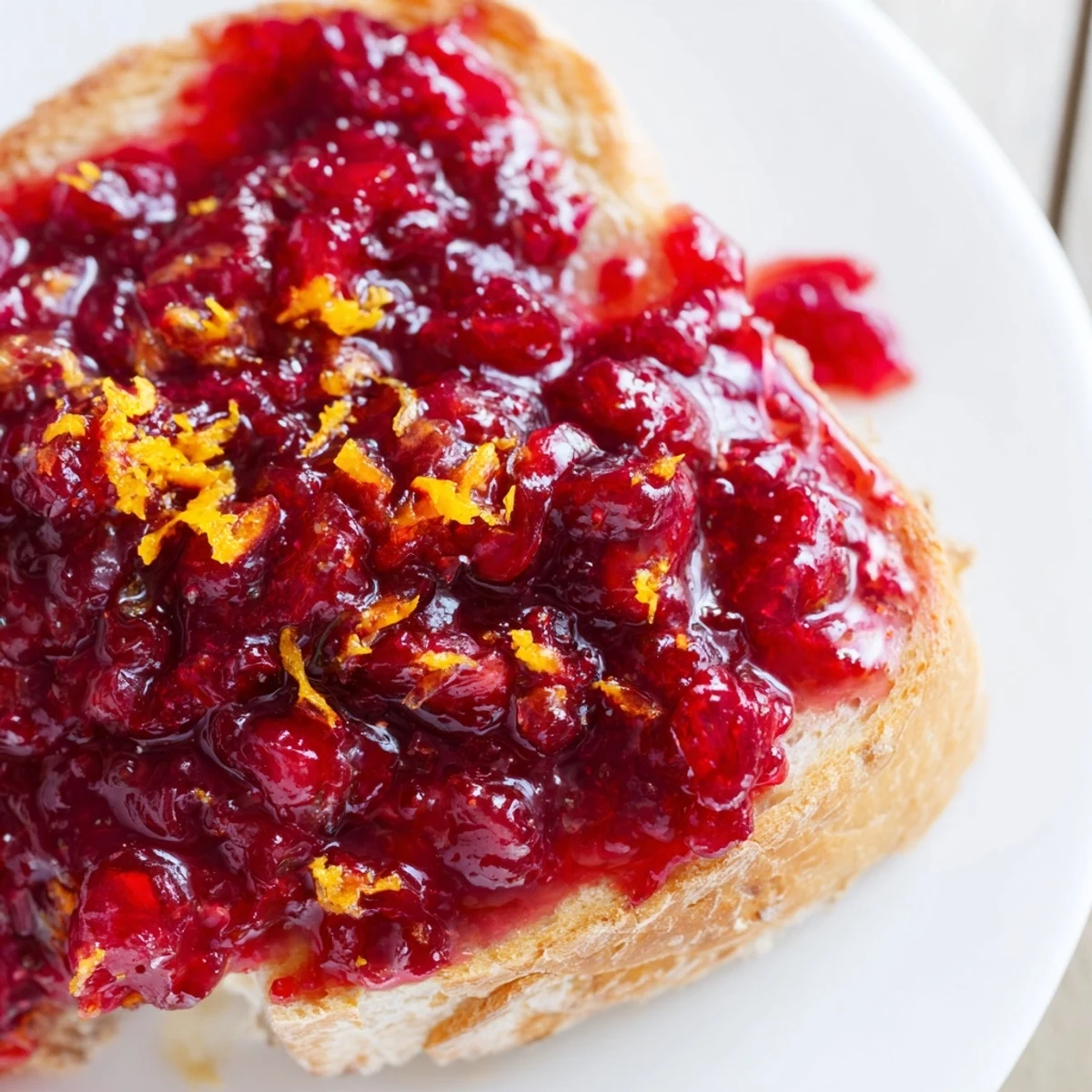
Jam consistency is one of those things that feels mysterious until you realize it's actually straightforward—thicker jam has been cooked longer, simpler jam is looser and pourable. Some mornings I want something I can spread; other times I want it chunky with visible berries. You get to decide by how long you let it bubble, or by mashing the berries more or less as it cooks. Neither way is wrong.
Ways to Make It Your Own
This recipe is a foundation, not a rule book, and it begs to be played with once you've made it once the way I've written it. A cinnamon stick simmered with the cranberries adds warmth without tasting like dessert, and a diced apple stirred in gives you natural sweetness if you want to reduce the sugar. Some people add a splash of bourbon or brandy right at the end—never enough to taste like alcohol, just enough to deepen everything.
- Try adding a cinnamon stick, a star anise, or even a small pinch of cardamom for spice without heaviness.
- If you want lower sugar, reduce to half a cup and add a diced apple for natural sweetness that won't make it taste less bright.
- A tablespoon of bourbon or brandy stirred in after cooking adds complexity that makes people wonder what the secret ingredient is.
 Pin Recipe
 This is the kind of recipe that reminds you why cooking at home matters—not because it's complicated, but because it's yours. Make it once, and you'll understand why people have always made jam.
Recipe FAQs
- → How do I make smooth cranberry spread?
-
To achieve a smooth texture, mash the cranberries gently with a spoon or potato masher while simmering until the mixture thickens.
- → Can I use frozen cranberries for the spread?
-
Yes, frozen cranberries work well and can be used without thawing, simply add them directly to the saucepan.
- → What bread types are best for toasting?
-
Rustic breads like sourdough or country loaf crisp nicely and complement the bright flavors of the cranberry spread.
- → How can I add a warm spice note?
-
Incorporate a cinnamon stick during simmering or a pinch of ground cinnamon for subtle warmth and complexity.
- → How long can the cranberry spread be stored?
-
Store in a sealed jar in the refrigerator for up to two weeks to maintain freshness and flavor.
- → Are there options for dairy-free serving?
-
Yes, omit butter or substitute with plant-based spreads when spreading on toast for a dairy-free approach.
