
 Pin Recipe
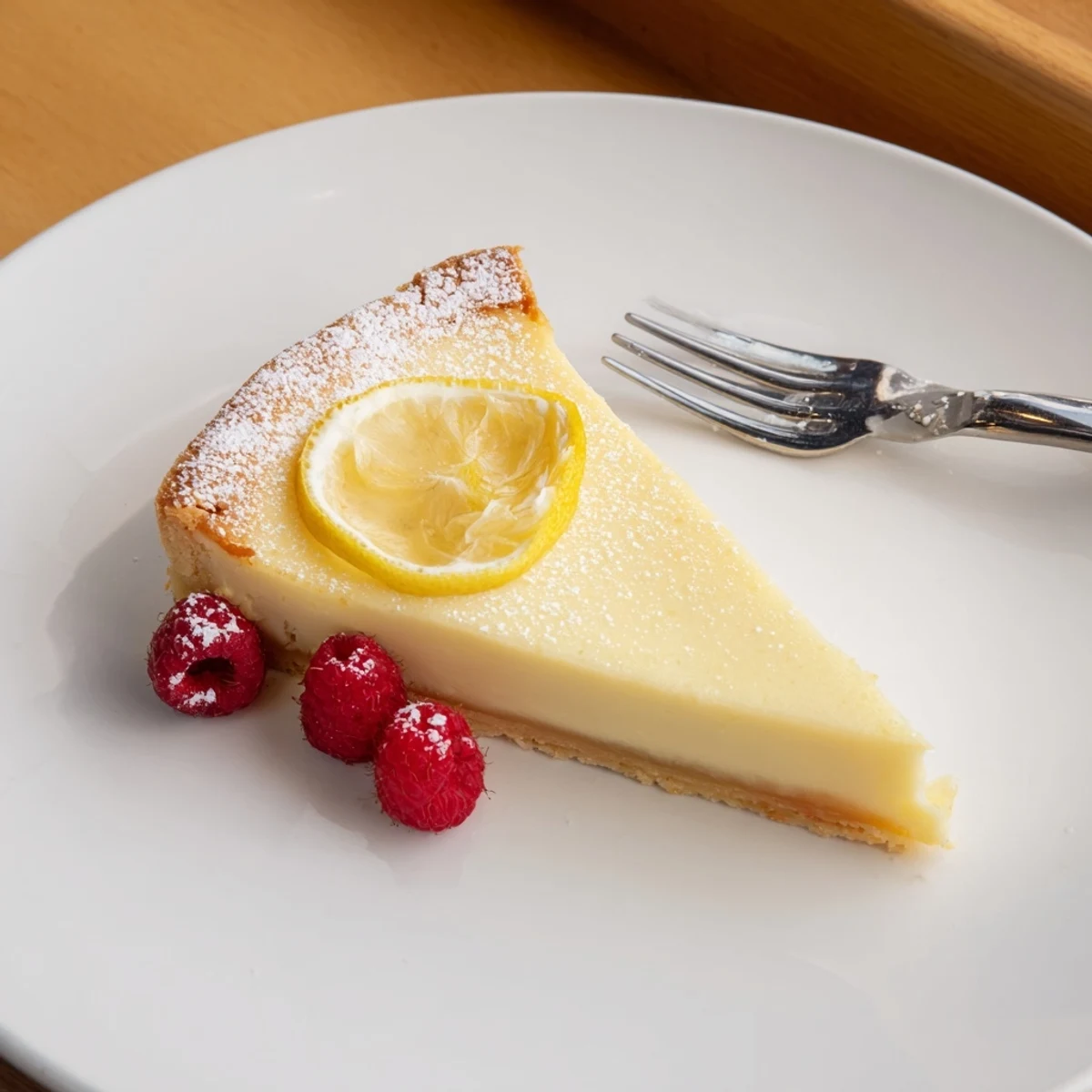
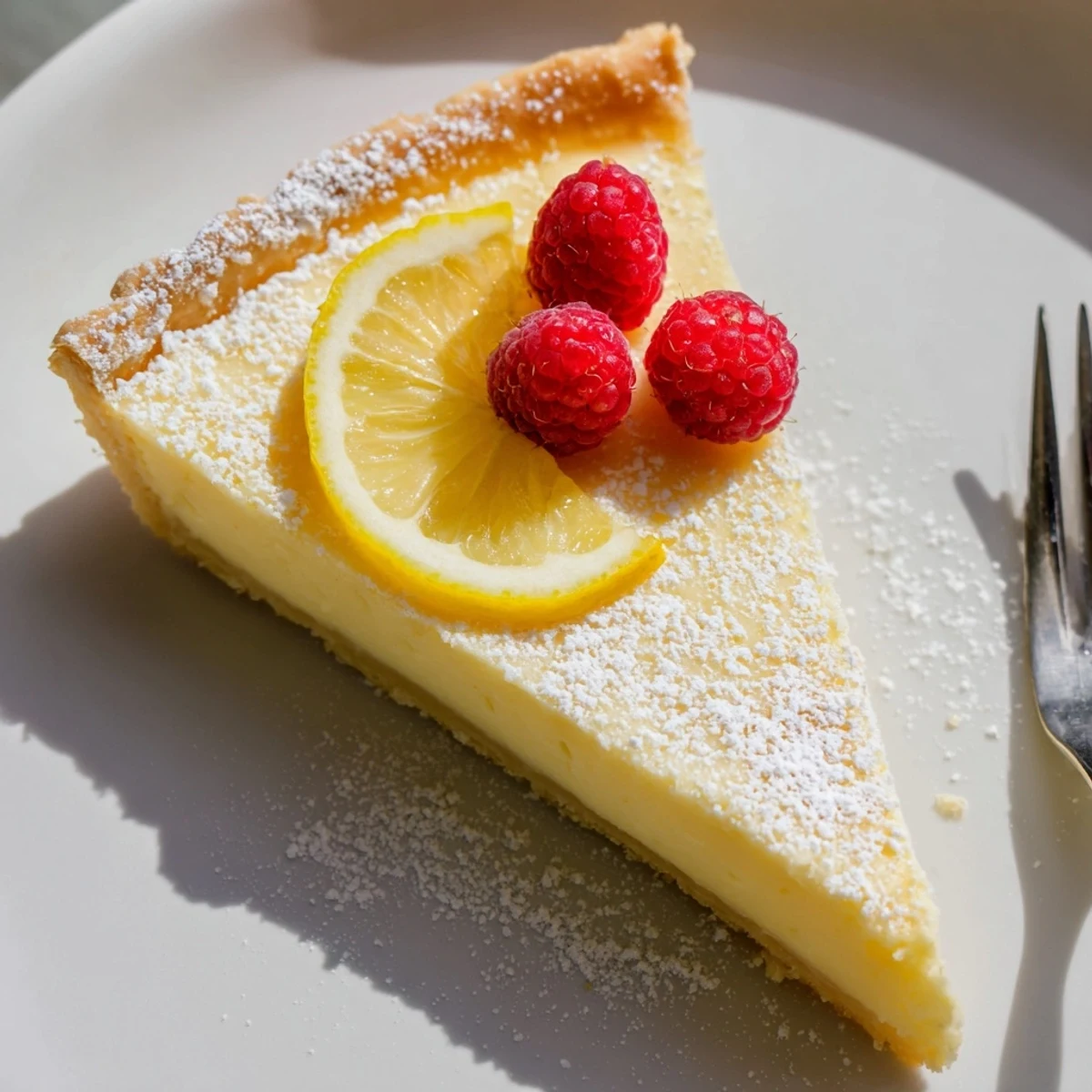
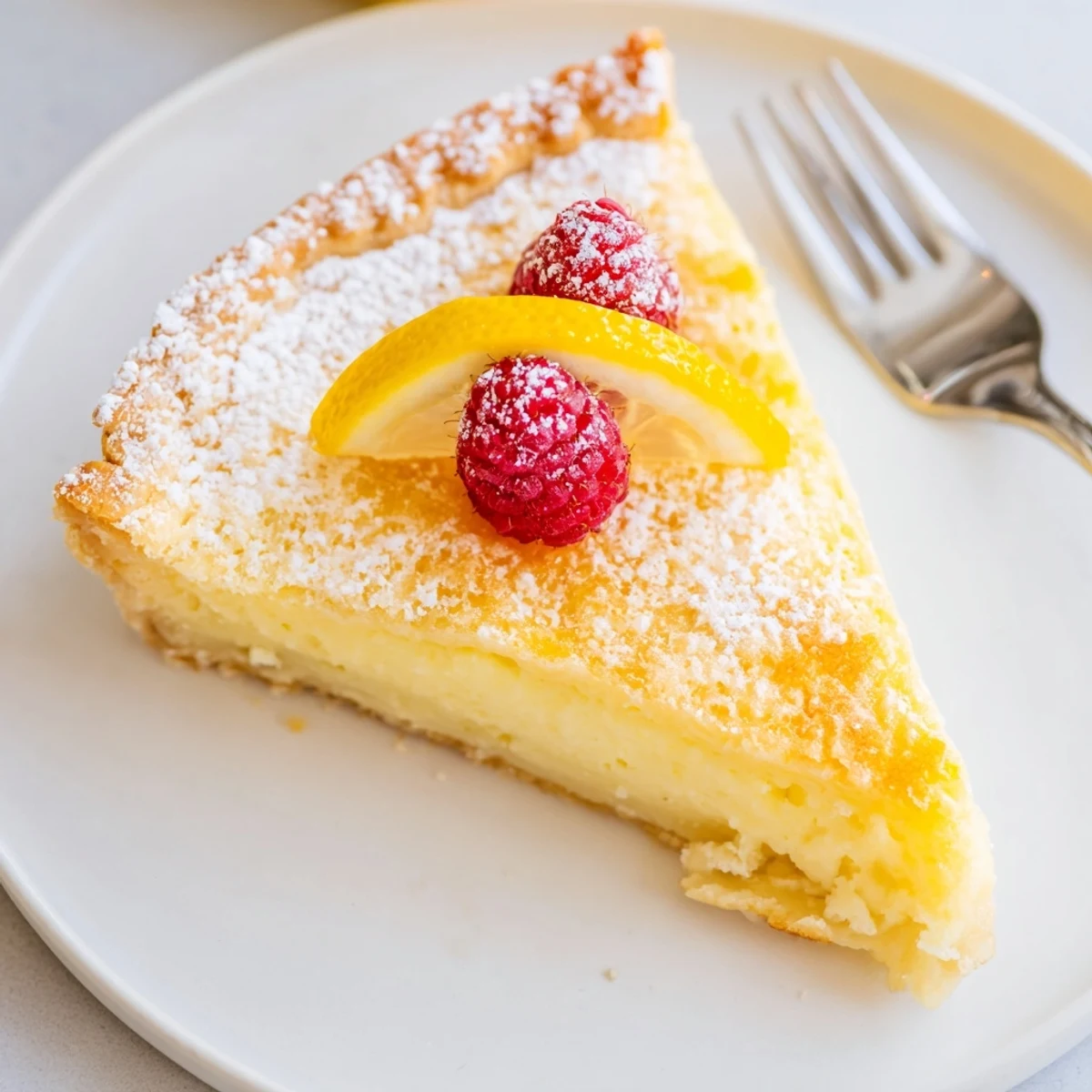
 This tart pairs a silky lemon custard - made from heavy cream, whole eggs, egg yolks, sugar, grated lemon zest and fresh lemon juice - with a crisp, buttery shortcrust. Blind-bake the shell until golden, remove weights, then pour the smooth filling and bake gently until edges are set but center still trembles. Chill thoroughly to firm the filling before slicing; finish with powdered sugar and berries.
The first time I tasted a lemon tart this creamy, I was caught off guard by how softly the citrus woke up my taste buds. It was a summer afternoon, and the sunlight streaming through the kitchen window made chopping lemons feel like a tiny celebration. Maybe it was the cool touch of the butter bits on my fingertips or the scent of zest in the air, but something about that day nudged me to perfect this recipe. With a little patience, this tart began turning ordinary days into something worth lingering over.
I vividly recall making this for my friends during our low-key movie night—there was flour on my jeans, music drifting from the next room, and the unmistakable fragrance of lemons cutting through it all. By the time the tart was cooling on the countertop, our anticipation was almost as sweet as the dessert itself. Slicing into that first silky wedge felt a little like opening a present just for us.
Ingredients
- All-purpose flour: I use good quality flour for that crisp, light crust—watch for clumps when measuring to keep the base even.
- Powdered sugar: This melts quickly into the dough and makes the crust almost melt-in-your-mouth tender.
- Salt: Just a pinch tightens up the flavors, so don't skip it, even in dessert.
- Unsalted butter: Make sure it's cold and in cubes—a quick tip: chill your bowl if your kitchen is warm.
- Large egg yolk: This adds richness and brings the dough together without making it tough.
- Cold water: Add just until the dough holds—a sprinkle too much can make it sticky.
- Heavy cream: The secret to an ultra-silky filling and a satisfying spoonful every time.
- Granulated sugar: Just enough for tangy balance—taste your lemons and adjust a smidge if they're really tart or sweet.
- Large eggs and egg yolks: These thicken the lemon custard; whisk well so it's smooth and glossy.
- Lemon zest: Freshly grated really matters here—use a microplane so you get all the fragrance and none of the bitterness.
- Lemon juice: Squeeze your lemons right before using; bottled won't have the same zing.
- Pinch of salt: Yes, again—it rounds off the sharp citrus note and keeps flavors lively.
- Powdered sugar (for dusting): Completely optional but makes every slice café-pretty.
- Fresh berries or candied lemon slices: They add color and a fun twist, especially if you're making this for guests.
Instructions
- Set the Stage:
- Preheat your oven to 350°F (175°C) while you gather everything—having a clear workspace always keeps things flowing.
- Pulse the Crust:
- In a food processor, combine flour, powdered sugar, and salt, add cold butter cubes and pulse until the mix looks like coarse sand in your hand.
- Bind the Dough:
- Add egg yolk and two tablespoons of cold water, pulsing just enough for the dough to clump—if it resists, drizzle in another spoonful of water sparingly.
- Chill and Roll:
- Turn out the dough, form into a disk, wrap, and chill for 30 minutes—toss any scraps in a bag for next time, they're great for mini tartlets.
- Shape and Freeze:
- Roll the dough to 1/8-inch thick, snug it into your tart pan, press, trim, prick, and send it to the freezer for ten minutes so it keeps its shape.
- Blind Bake the Crust:
- Line with parchment, fill with weights or beans, and bake for 15 minutes—remove the weights and parchment, then back it goes for another 8–10 minutes until the edges are golden and smell toasty.
- Prepare the Filling:
- Lower oven to 300°F (150°C), whisk cream, sugar, eggs, yolks, lemon zest, juice, and a pinch of salt until smooth—a silent swirl in the bowl is your cue it's ready.
- Fill and Bake:
- Pour the lemon custard into the warm crust; bake 20–25 minutes until the edges are set but the center still shivers a little when you jiggle the pan.
- Cool and Chill:
- Set it on a rack until completely cool, then refrigerate for at least an hour—the waiting builds anticipation, trust me.
- Final Touch:
- Dust with powdered sugar, scatter a few berries or candied lemon on top, and serve when the tart is nicely chilled for perfect slices.
 Pin Recipe
 One afternoon, my neighbor stopped by just as I was dusting the tart with sugar—she lingered in the kitchen, drawn in by the aroma, and before long we were swapping stories over bright, creamy slices. That unexpected visit turned a routine bake into a genuine moment of connection.
Making Every Texture Count
I've found that chilling the dough and freezing the lined pan before baking makes the difference between a crust that holds its edge and one that caves. It's a small detail, but it turns the tart from good to show-stopping as soon as you unmold it.
How to Get More Lemon Flavor
Rub the zest into the sugar with your fingers before whisking—this little ritual releases oils from the zest, filling your kitchen with citrus before you even begin baking. The flavor that comes through in every bite will feel like you took an extra step, even though it takes seconds.
Tips for the Silkiest Filling
I used to overbake out of caution, only to end up with dry edges—pulling the tart when the very center still wobbles ensures creamy results. Room temperature eggs whisk more smoothly, so set them out an hour before starting if you can.
- If you overbake, let the tart rest at room temperature longer before refrigerating—it can help salvage the texture.
- Don’t skip the cooling stage, no matter how tempting—it sets the filling perfectly.
- To avoid cracks on top, keep the baking temperature low and avoid sudden temperature changes.
 Pin Recipe
 Each time I bake this lemon tart, I’m reminded how even a simple dessert can delight and surprise. Whenever you bring it out, expect a few bright smiles and requests for seconds.
Recipe FAQs
- → How long should I blind-bake the crust?
-
Blind-bake with parchment and weights for about 15 minutes, remove the weights and bake another 8–10 minutes until the crust is golden. Freezing 10 minutes before baking helps prevent shrinking and keeps the edges crisp.
- → How can I prevent the lemon filling from curdling?
-
Whisk the eggs and yolks gently with sugar, then add cream and lemon gradually. Bake at a moderate temperature and stop when edges are set but the center still trembles to avoid overcooking; chilling will finish the set.
- → Can I make a gluten-free crust?
-
Yes—use a 1:1 gluten-free flour blend and chill the dough well before rolling. Pressing into the tin rather than rolling can help if the dough is more fragile; bake as directed, watching for a slightly different browning.
- → How do I know when the tart is done baking?
-
The edges should look set and slightly puffed while the center remains just slightly jiggly when you gently shake the pan. It will firm up as it cools and chills, yielding a silky texture.
- → How should I store leftovers and how long do they keep?
-
Cover tightly and refrigerate for up to 3 days. For best texture, slice chilled servings straight from the fridge; bring to room temperature briefly if you prefer a softer feel, but avoid long warm periods.
- → Any tips for flavor variations or additions?
-
Fold in a teaspoon of vanilla for extra aroma, add a touch of finely grated citrus zest for brightness, or serve with fresh berries or a drizzle of reduced citrus syrup to amplify the tang.
