
 Pin Recipe
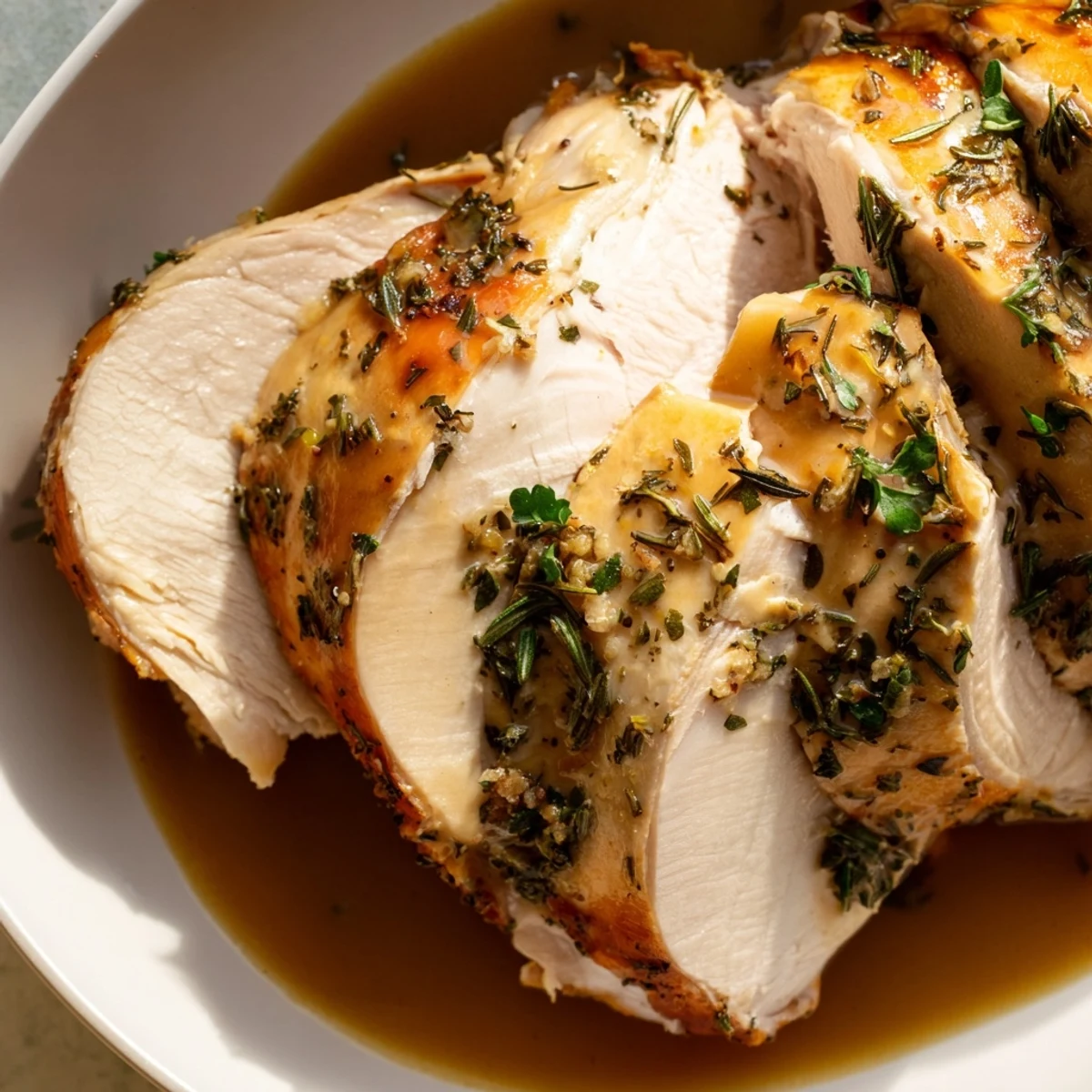
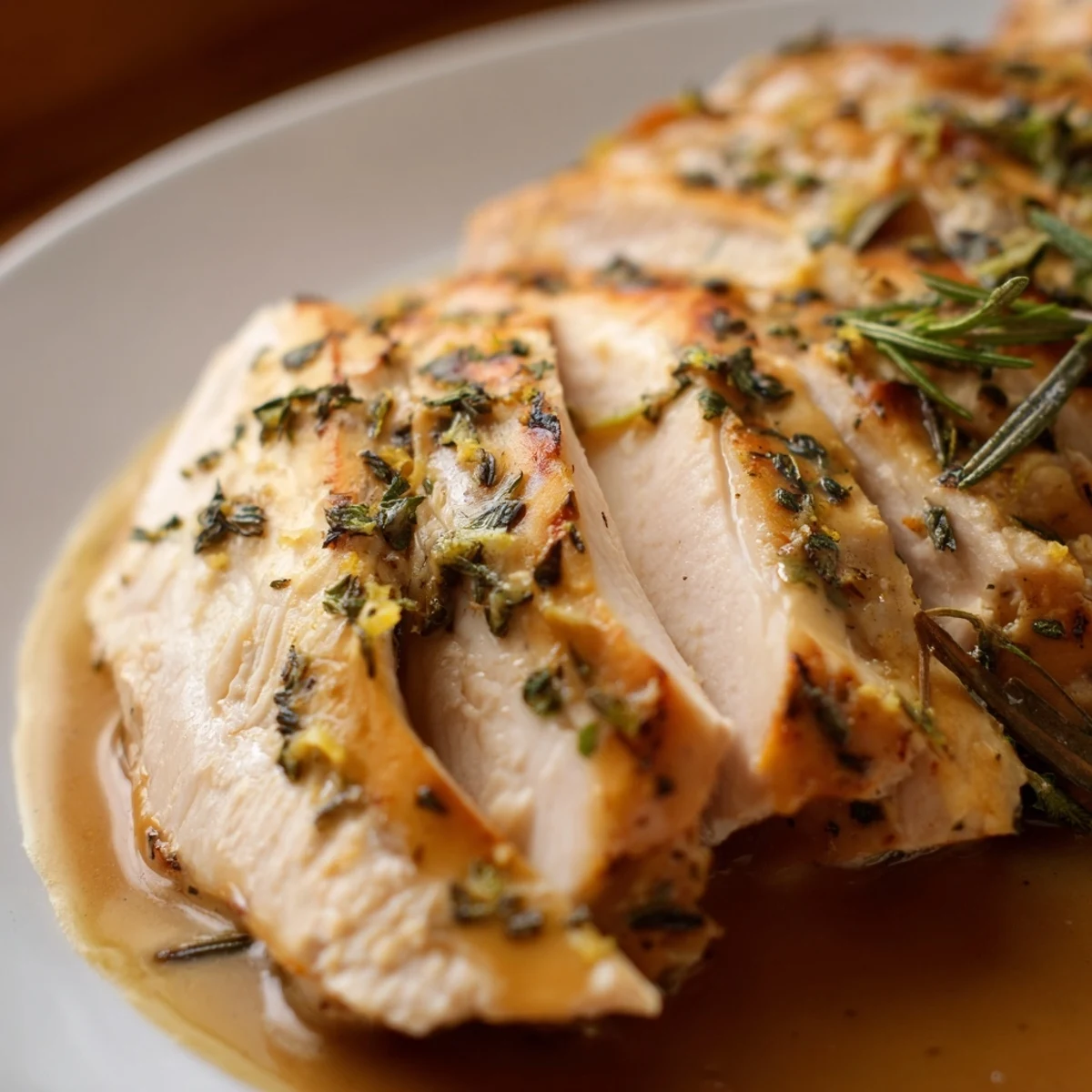
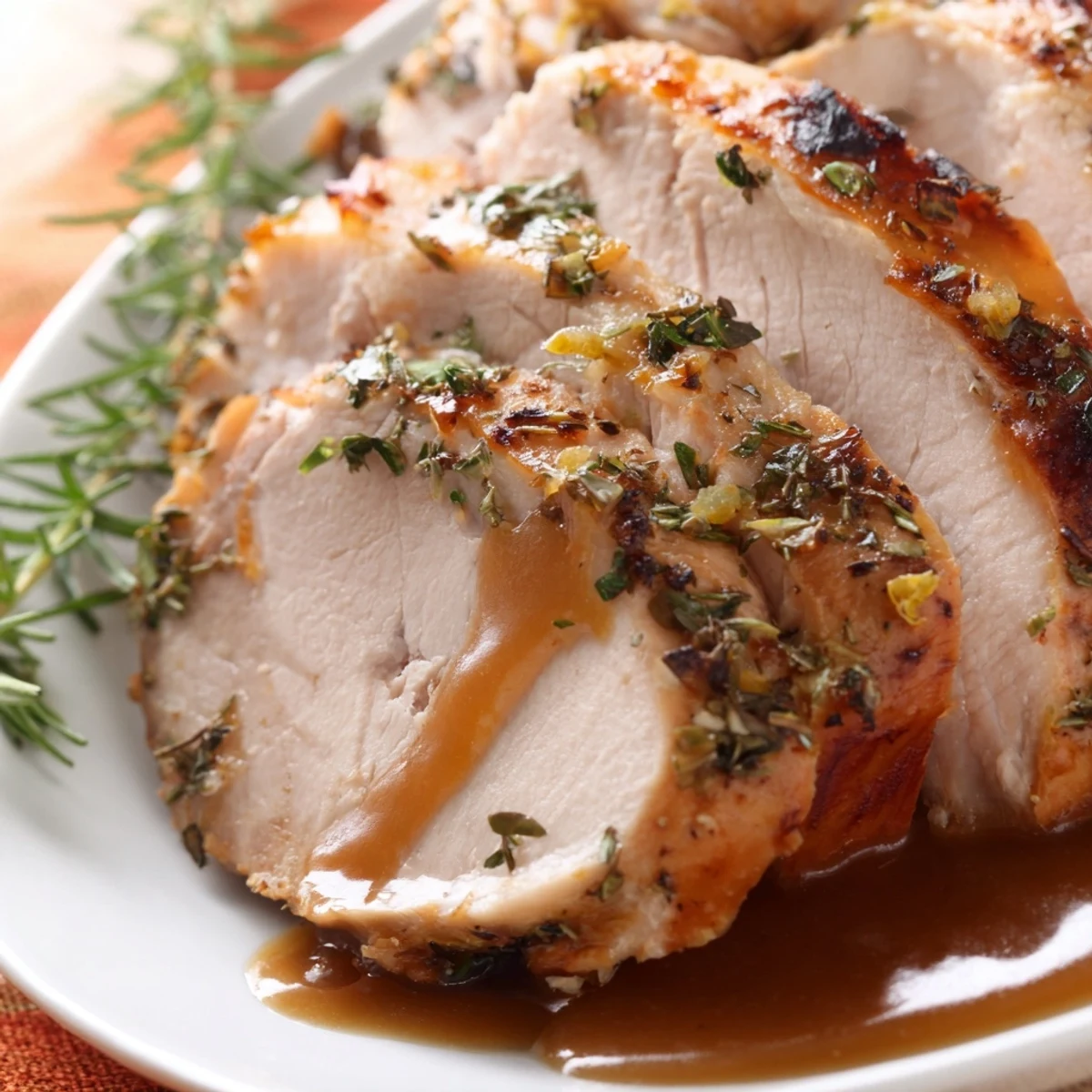
 This alternative Easter centerpiece features a whole turkey richly infused with herb butter made from garlic, rosemary, thyme, parsley, and lemon zest. The turkey is gently rubbed under its skin and roasted to juicy perfection, seasoned with salt and pepper. Optional aromatics like lemon, onion, celery, and carrot add flavor inside the cavity. Basting throughout roasting ensures moistness, and a homemade gravy from pan drippings and broth provides a rich accompaniment. Letting the bird rest before carving enhances tenderness, creating a memorable holiday main dish.
The smell of rosemary and roasting turkey usually makes people think of November, but I discovered something magical about serving this bird in spring. Last year, my sister challenged me to make an Easter dinner that would impress our tradition-bound family, and this herb-crusted turkey stole the show. The bright lemon zest and fresh herbs felt so right alongside spring carrots and asparagus. Now it's become the centerpiece we actually argue over who gets to host.
I remember hovering over the oven door during my first Easter turkey, watching the skin turn golden brown and feeling absolutely terrified Id ruin it. My friend Sarah called just as I was sliding the roasting pan in, laughing at my nervousness while assuring me that the thermometer would be my savior. She was right. That bird came out so perfect that my dad actually asked for seconds, which practically never happens at holiday meals.
Ingredients
- Whole turkey (10 to 12 pounds): Thawed completely if frozen, because cooking from frozen creates uneven results and food safety worries
- Olive oil (2 tablespoons): Helps achieve that gorgeous bronze skin that makes everyone reach for their phone cameras
- Salt and black pepper: Use generously, both inside and out, because this is your main seasoning opportunity
- Unsalted butter (120 g/½ cup), softened: Soft enough to mix but not melted, so it spreads easily under the skin
- Fresh garlic (3 cloves), minced: Fresh cloves make a difference here compared to garlic powder
- Fresh rosemary (2 tablespoons), finely chopped: Piney and resinous, this herb can stand up to long roasting times without losing character
- Fresh thyme (2 tablespoons), finely chopped: Earthy and subtle, it balances the stronger rosemary beautifully
- Fresh parsley (2 tablespoons), finely chopped: Adds brightness and fresh color to the butter mixture
- Lemon zest (1 whole lemon): Only the bright yellow part, none of the bitter white pith underneath
- Lemon (1 whole), quartered: Goes inside the cavity to infuse moisture and subtle citrus notes
- Onion (1 whole), quartered: Adds savory depth to the cavity aromatics
- Celery stalks (2), cut into chunks: Part of the aromatic vegetable bed inside the bird
- Carrot (1 whole), cut into chunks: Sweetness that balances the herbs and aromatics
- Turkey or chicken broth (500 ml/2 cups): The foundation of your gravy, so use good quality if you can
- All-purpose flour (30 g/¼ cup): Creates the roux that thickens your pan drippings into silky gravy
Instructions
- Prep your oven and workspace:
- Preheat to 175°C (350°F) and clear enough counter space to work comfortably with a large bird.
- Prep the turkey:
- Remove the giblets packet from the cavity and pat the entire turkey completely dry with paper towels because moisture prevents proper browning.
- Make the herb butter:
- Mix softened butter with minced garlic, rosemary, thyme, parsley, and lemon zest until thoroughly combined.
- Butter the turkey under the skin:
- Gently slide your fingers between the skin and breast meat to create pockets, then rub half the butter mixture underneath.
- Season the surface:
- Rub remaining herb butter all over the outside skin, then generously season inside and out with salt and pepper.
- Add aromatic vegetables:
- Stuff the cavity with quartered lemon, onion, celery chunks, and carrot pieces.
- Truss the turkey:
- Tie the legs together with kitchen twine and tuck the wing tips under the body so everything cooks evenly.
- Position for roasting:
- Place turkey breast-side up on a rack in your roasting pan and brush the skin with olive oil.
- Roast with attention:
- Cook for 2 to 2½ hours, basting every 45 minutes with the pan juices that collect at the bottom.
- Monitor doneness:
- The turkey is finished when a thermometer inserted into the thickest part of the thigh reaches 74°C (165°F).
- Rest before carving:
- Tent loosely with foil and let the turkey rest for at least 20 minutes so the juices redistribute throughout the meat.
- Make the gravy:
- Skim excess fat from pan drippings, whisk flour into the remaining juices over medium heat, then gradually add broth while whisking until smooth and thickened.
 Pin Recipe
 After that first successful Easter, my mom called me the next morning asking for the recipe because my dad hadnt stopped talking about it. Theres something deeply satisfying about mastering a dish that feels so impressive but is actually quite straightforward. Now I look forward to that herb butter ritual every spring, hands sticky with garlic and rosemary, knowing exactly whats coming out of my oven hours later.
Making It Your Own
Feel free to play with the herb blend based on what speaks to you or what you can find fresh at the market. Sometimes I add chopped fresh sage for a more earthy note, especially if Im planning classic stuffing on the side. Tarragon brings this lovely anise brightness that works beautifully with spring vegetables. The important thing is keeping the butter soft enough to spread but not so melted that it runs right off the bird.
Timing Your Feast
The resting period is actually built into your advantage because it gives you oven space to finish side dishes or warm rolls. I learned to time my vegetable roasts so they go in when the turkey comes out to rest. That thirty minute window feels like a calm moment in the holiday cooking chaos. Plan your carving station before you start cooking, with a sharp knife and a big cutting board ready to go.
Gravy Secrets
The best gravy starts with those caramelized drippings at the bottom of your roasting pan, so dont skip the deglazing step. I add a splash of white wine sometimes for brightness, especially if we're serving with lighter spring sides. Whisking constantly while adding your flour prevents those frustrating lumps that nobody wants on their mashed potatoes.
- Warm your broth before adding it to the roux for smoother incorporation
- Taste and adjust seasonings after the gravy thickens, because flavors concentrate as it reduces
- If your gravy seems too thick, whisk in additional broth a little at a time until it reaches your preferred consistency
 Pin Recipe
 Theres nothing quite like walking into a house filled with the smell of roasting herbs and knowing something wonderful is coming. This turkey has become more than just a recipe for our family, its now the official start of spring celebration.
Recipe FAQs
- → How do I keep the turkey moist during roasting?
-
Rubbing herb butter beneath the skin and basting regularly with pan juices helps retain moisture and infuse flavor.
- → What herbs are best for seasoning the turkey?
-
Fresh rosemary, thyme, parsley, and garlic combined with lemon zest create a fragrant and savory herb butter.
- → Can I add aromatics inside the bird?
-
Yes, stuffing the cavity with lemon, onion, celery, and carrot enhances aroma and moisture during cooking.
- → How do I know when the turkey is fully cooked?
-
Use a meat thermometer; the thickest part of the thigh should reach 74°C (165°F).
- → What is the best way to make the gravy?
-
Skim fat from pan drippings, cook with flour until golden, then gradually whisk in broth and simmer until thickened.
