
 Pin Recipe
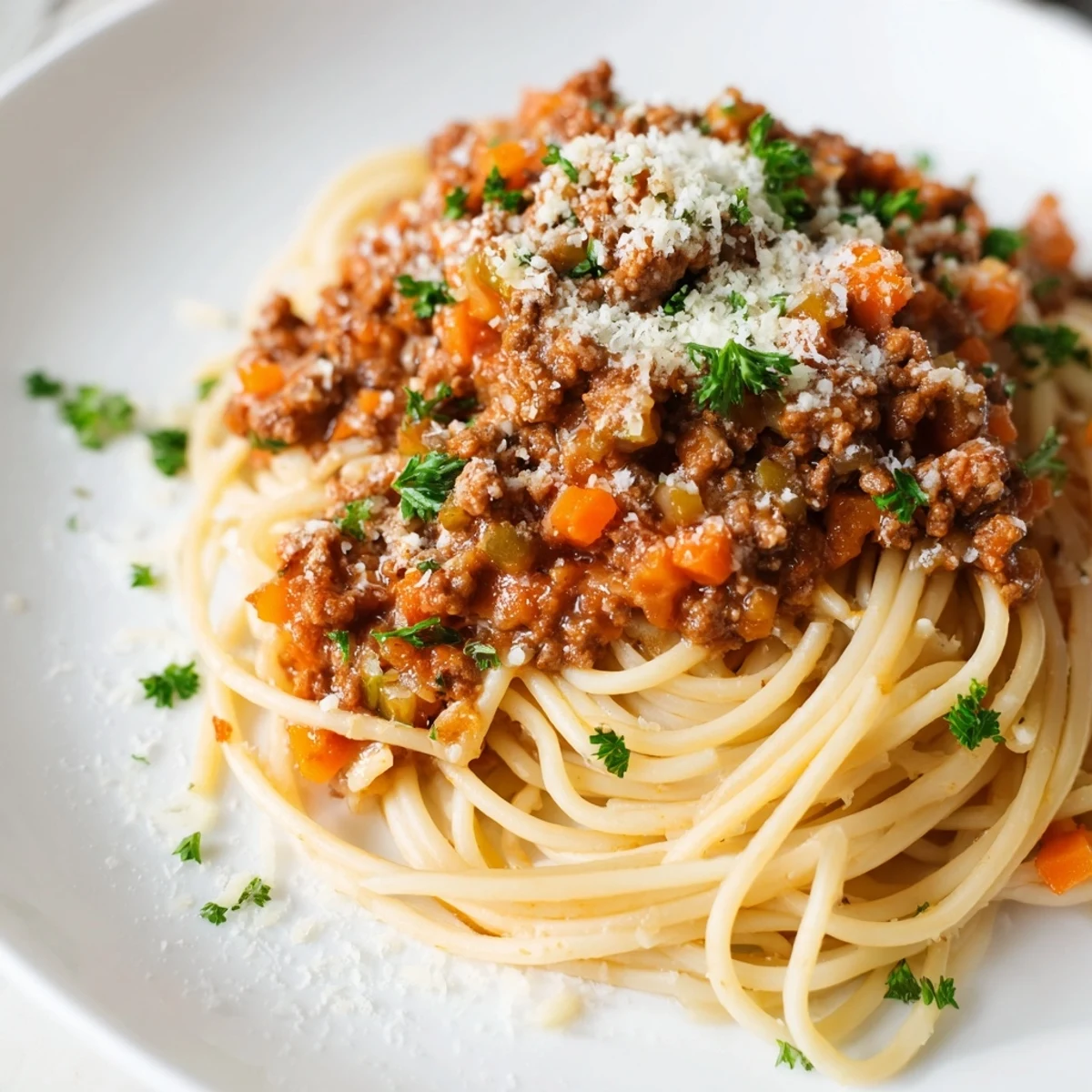
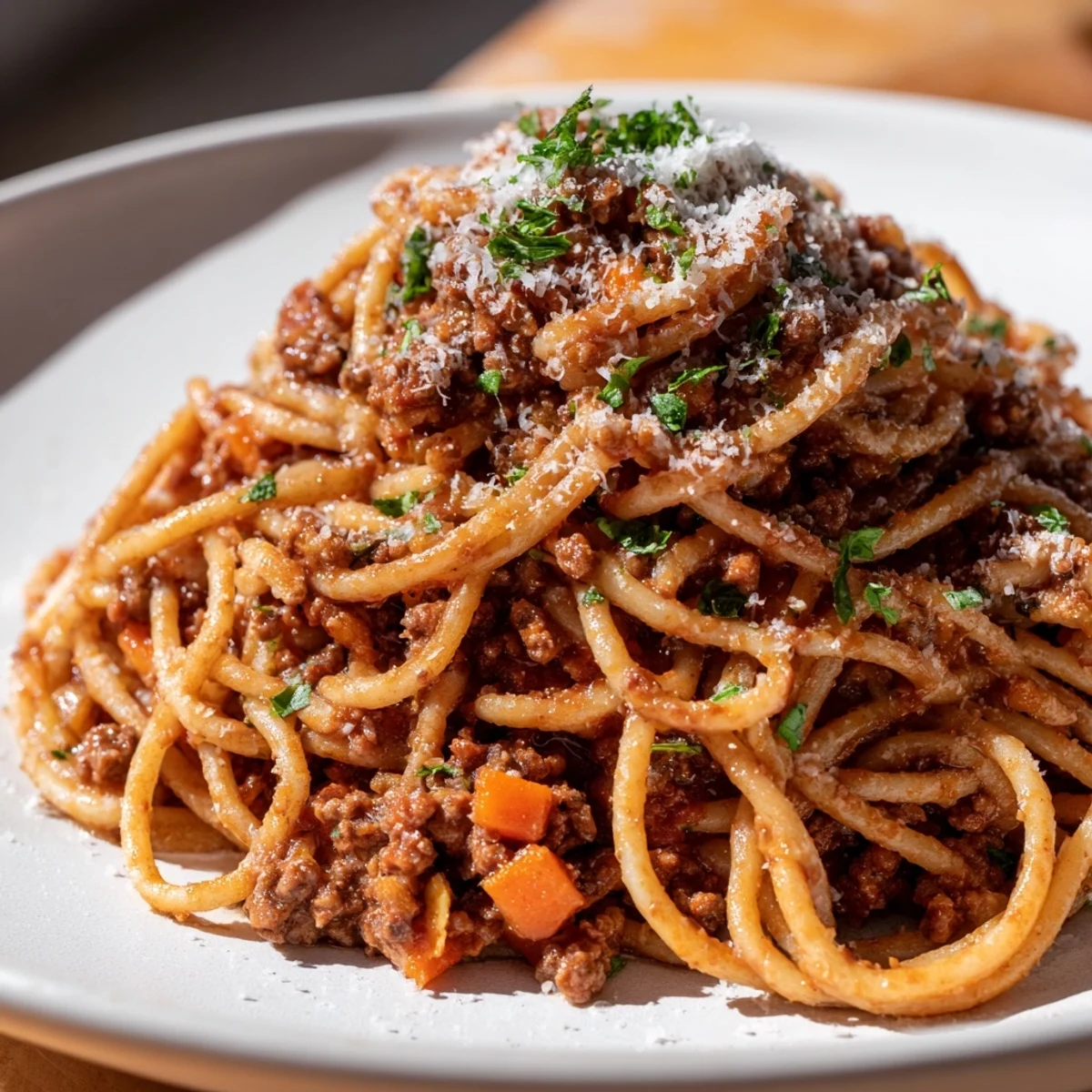
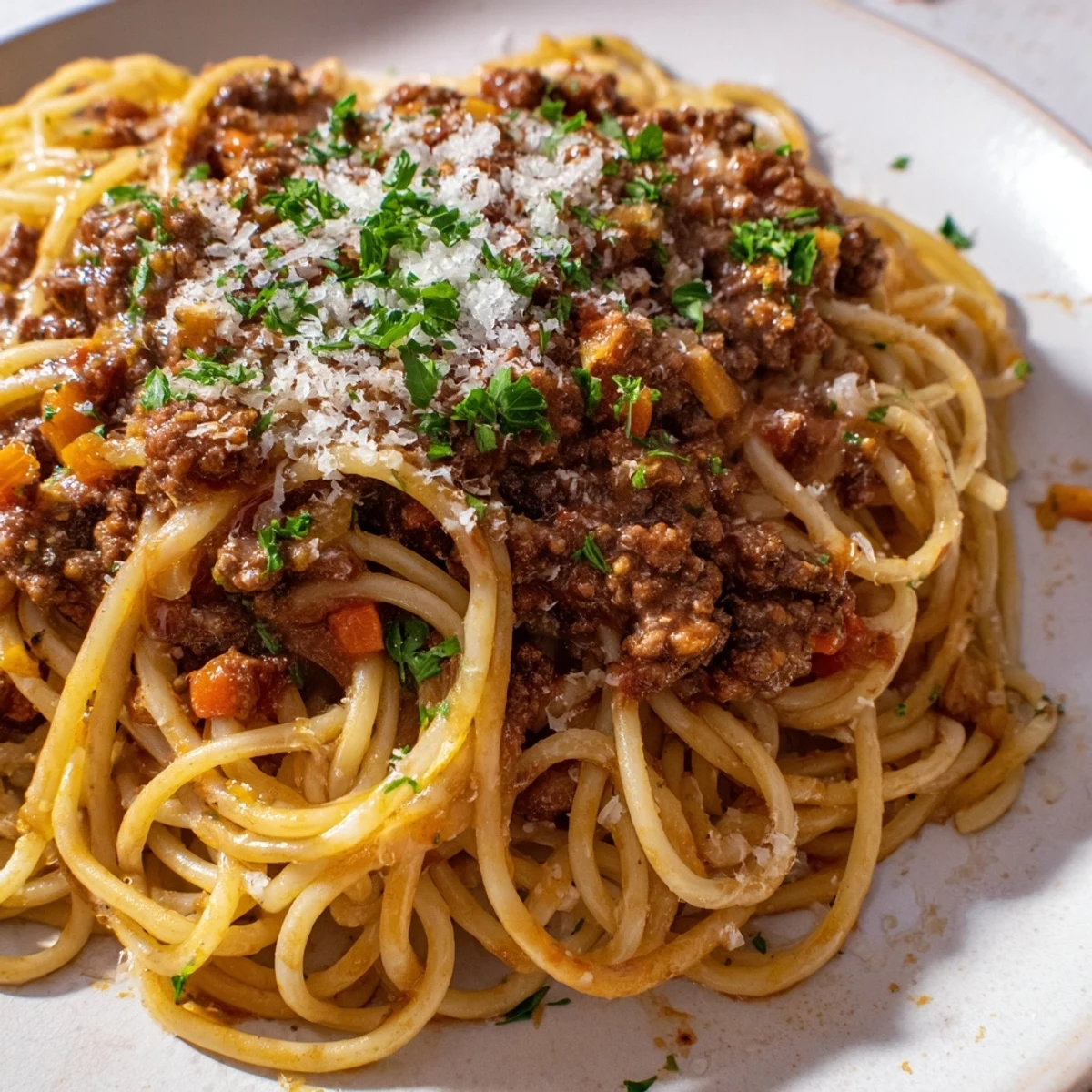
 This dish combines slow-cooked ground beef with a blend of sautéed vegetables and herbs, simmered gently in rich tomato and beef broth. The sauce is slowly thickened to meld flavors, enhanced with a splash of red wine and a touch of cream for depth. Served over al dente spaghetti, it’s finished with freshly grated Parmesan and parsley to add a burst of fresh savory notes.
Ideal for a comforting main course, this Italian-inspired classic offers a balanced blend of meaty richness and bright vegetable undertones, perfectly paired with pasta cooked to tender perfection.
The first time I attempted a proper Bolognese, I underestimated how much patience it actually demands. I kept checking the pot every ten minutes, convinced something was wrong because it looked too simple. Hours later, when that deep, meaty fragrance finally filled my entire apartment, I understood what everyone meant about slow cooking being its own kind of magic.
My friend Marco invited me over for Sunday dinner once and casually made this look effortless while I watched. He told me his nonna would be scandalized if she knew he used cream instead of finishing with just pasta water, but admitted it made the sauce silkier. I have taken that liberty ever since.
Ingredients
- 500 g (1.1 lbs) ground beef (80/20): The fat ratio matters here, lean beef will make your sauce dry and less flavorful
- 1 medium onion, finely chopped: This forms the aromatic base with carrots and celery, so chop them uniformly
- 2 carrots, finely diced: Add subtle sweetness that balances the acidity of tomatoes
- 2 celery stalks, finely diced: Provide an earthy backbone to the soffritto
- 3 garlic cloves, minced: Add them after the vegetables soften to prevent burning
- 120 ml (1/2 cup) dry red wine: Use something you would actually drink, it completely changes the final flavor
- 800 g (28 oz) canned crushed tomatoes: San Marzano tomatoes are worth seeking out for their natural sweetness
- 2 tbsp tomato paste: Concentrates the tomato flavor and adds richness
- 250 ml (1 cup) beef broth: Adds depth and helps create that velvety texture
- 2 tbsp whole milk or cream: The secret to balancing acidity and making the sauce impossibly smooth
- 400 g (14 oz) dried spaghetti: Quality pasta makes a difference, choose bronze-cut brands for better sauce adhesion
- 2 tbsp olive oil: Start your soffritto with enough fat to properly caramelize the vegetables
- 1 tsp dried oregano: Earthy and robust, perfect for long simmer times
- 1 tsp dried basil: Adds sweet, herbal notes that complement the beef
- 1 bay leaf: Remove before serving, but let it work its magic during cooking
- Salt and freshly ground black pepper: Taste and adjust throughout the cooking process
- Freshly grated Parmesan cheese: Essential for that authentic finish, grate it yourself for better melting
- Chopped fresh parsley: Adds brightness and color contrast against the deep red sauce
Instructions
- Build your flavor foundation:
- Heat olive oil in a large, heavy-bottomed pot over medium heat, then add onion, carrot, and celery. Sauté for 6-8 minutes until softened and beginning to caramelize.
- Wake up the garlic:
- Stir in garlic and cook for just 1 minute until fragrant, being careful not to let it brown or it will turn bitter.
- Brown the beef properly:
- Add ground beef, breaking it up with a wooden spoon, and cook until browned and no longer pink, about 8 minutes. Let it develop some fond on the bottom of the pot.
- Deglaze for depth:
- Pour in red wine and simmer for 2-3 minutes, scraping up any browned bits from the bottom. This step is where the sauce really starts to develop complexity.
- Build the sauce:
- Stir in tomato paste, crushed tomatoes, beef broth, oregano, basil, bay leaf, salt, and pepper. Bring everything to a gentle simmer.
- The patience pays off:
- Reduce heat to low, partially cover, and simmer for 45-60 minutes. Stir occasionally and watch as the sauce transforms into something thick and deeply flavored.
- Finish with richness:
- Stir in milk or cream during the last 10 minutes of simmering for extra richness. Taste and adjust seasoning as needed.
- Cook the pasta perfectly:
- Cook spaghetti in a large pot of salted boiling water until al dente. Reserve ½ cup pasta water before draining, this liquid gold helps bind sauce and pasta.
- Bring it together:
- Discard the bay leaf from your sauce, then combine spaghetti and sauce. Add reserved pasta water if needed for that ideal coating consistency.
- Plate and serve:
- Serve hot, topped with generous amounts of grated Parmesan and a sprinkle of fresh parsley.
 Pin Recipe
 After mastering this recipe, I started inviting people over specifically on days I planned to make it. Something about that long simmer process makes the entire evening feel slower and more intentional, like you are giving your guests the gift of your time.
Choosing Your Wine
The wine you cook with matters more than you might think. I have used whatever was open before, and the difference shows in the final sauce. A decent Chianti or Sangiovese works beautifully because those grape varieties were practically born to meet beef and tomatoes.
The Soffritto Secret
Taking the time to dice your vegetables finely and uniformly pays off in the final texture. Large chunks of onion or carrot never quite disappear into the sauce, creating an inconsistent mouthfeel that distracts from the silky experience you are after.
Make It Ahead
This is one of those rare dishes that genuinely improves after a night in the refrigerator. The flavors have time to marry and deepen, creating something even more cohesive than the day you made it.
- Make the sauce up to three days ahead and reheat gently
- Freeze portions for busy weeknight emergencies
- Double the recipe because you will want leftovers
 Pin Recipe
 There is something deeply satisfying about a recipe that rewards patience so generously. Every time I make this, I am reminded that good things really do come to those who wait.
Recipe FAQs
- → What kind of beef is best for this dish?
-
Ground beef with an 80/20 lean-to-fat ratio works best, as the fat ensures richness and flavor without drying out during simmering.
- → Can I substitute the spaghetti with another type of pasta?
-
Yes, feel free to use other long pasta like fettuccine or pappardelle, which also hold the sauce well.
- → How do I thicken the sauce if it’s too runny?
-
Simmer uncovered for a longer period to reduce liquid or stir in a small amount of tomato paste to help thicken the sauce naturally.
- → Is it necessary to add wine in the sauce?
-
While wine adds depth and richness, it can be omitted for a milder sauce, but simmering time may be adjusted to enhance flavors.
- → What is the purpose of adding milk or cream at the end?
-
A splash of milk or cream softens acidity from tomatoes and creates a smoother, slightly creamy texture in the sauce.
