
 Pin Recipe
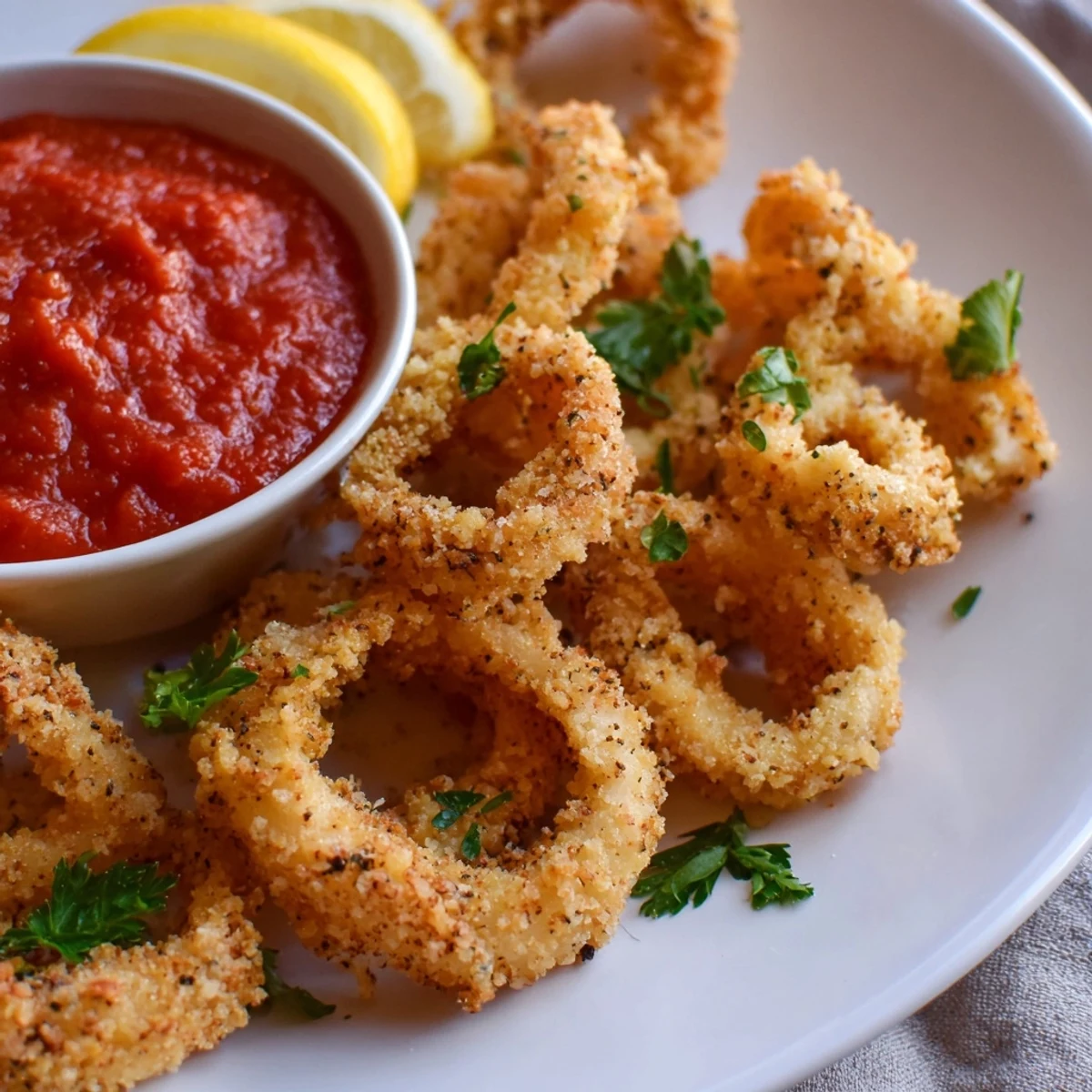
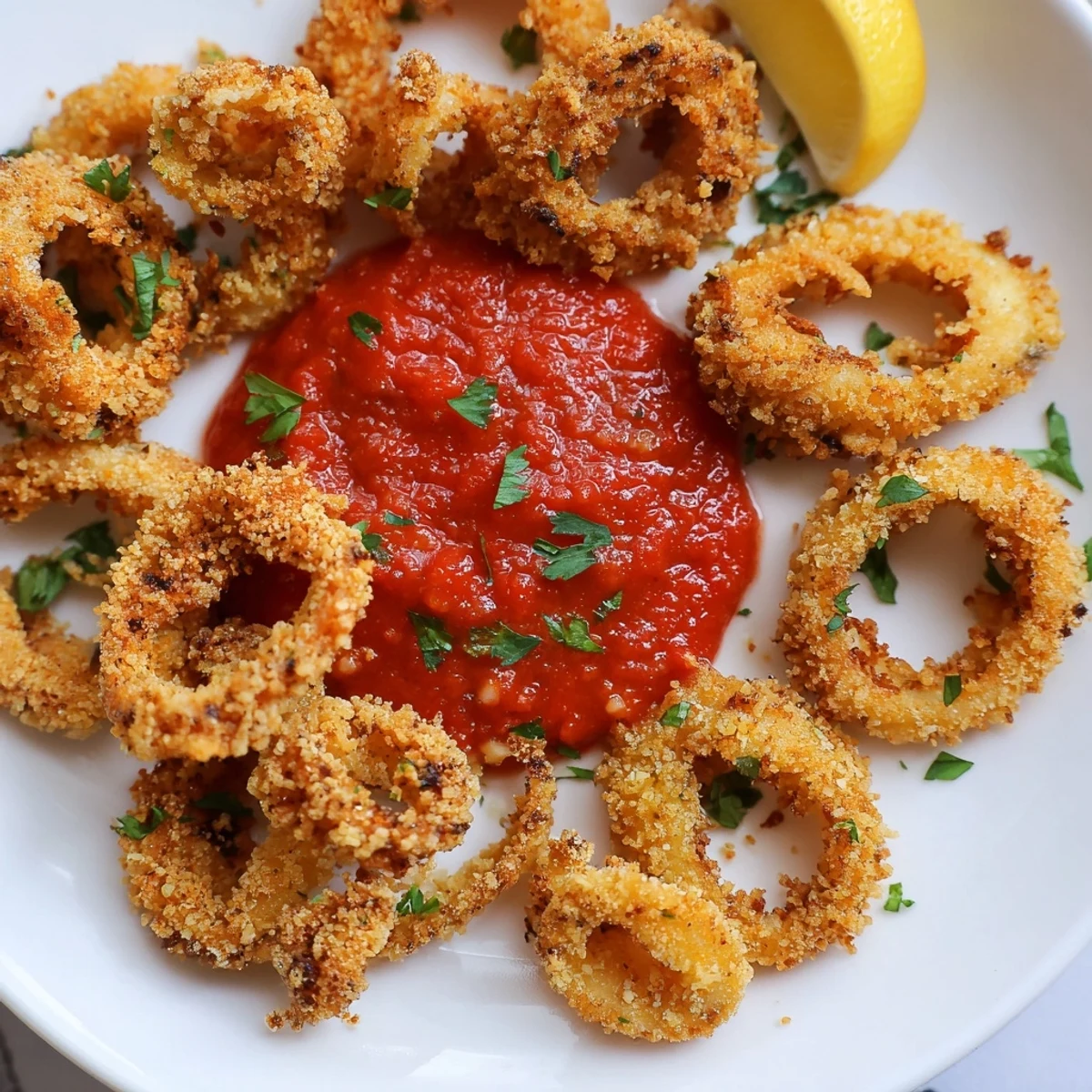
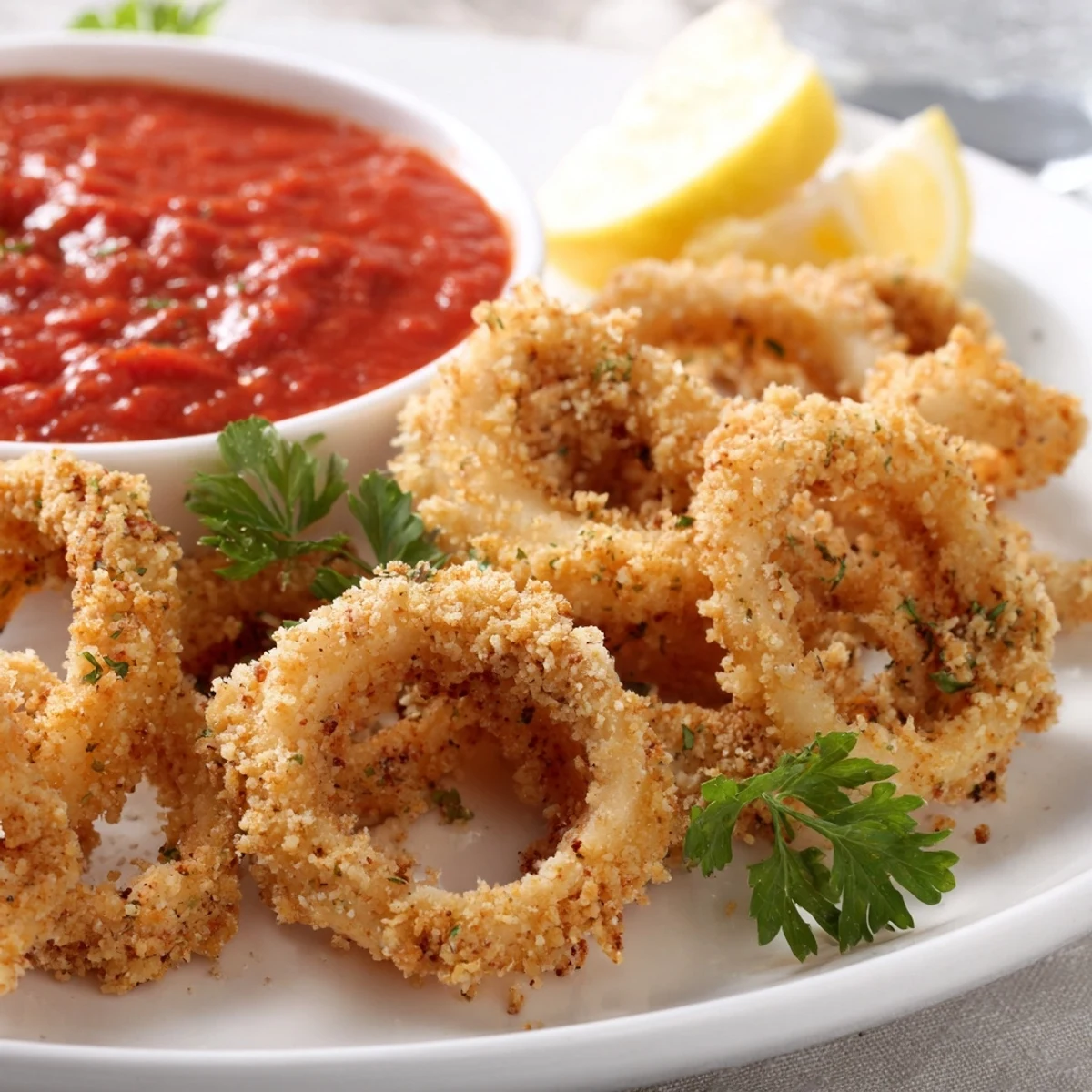
 This dish features fresh calamari rings soaked in buttermilk, then coated in a seasoned blend of flour, cornmeal, and spices before frying to crispy perfection. Served alongside a vibrant marinara sauce made from garlic, tomatoes, and herbs, it's a delightful combination of textures and flavors. Garnished with lemon wedges and parsley, it’s ideal for sharing at gatherings or as an appetizer to highlight seafood’s natural taste.
My friend Mike opened his front door one Sunday and the smell of frying garlic and sizzling oil hit me before I even crossed the threshold. He stood over a giant pot with a beer in one hand and a spider strainer in the other, looking like he'd been doing this his whole life. That afternoon changed everything I thought I knew about making calamari at home—no rubbery rings, no soggy coating, just perfectly golden crunch in every bite.
Last Super Bowl, I made a triple batch for twelve people and watched the entire mountain disappear in seven minutes flat. My brother-in-law, who swears he hates seafood, went back for fourths and finally admitted he'd been missing out his whole life. Now every time there's a gathering, I get these texts asking if 'that calamari' is making an appearance.
Ingredients
- 500 g fresh or thawed calamari, cleaned and cut into 1 cm rings: Fresh gives the best texture but thawed works perfectly fine—just pat them completely dry before soaking
- 240 ml buttermilk: This tenderizes the calamari and helps the coating stick—regular milk mixed with a splash of vinegar works in a pinch
- 1 tsp sea salt and 1/2 tsp black pepper: Season the buttermilk soak so the calamari tastes good through every layer
- 120 g all-purpose flour: The foundation of your crispy coating—dont skip this
- 60 g cornmeal: This is the secret ingredient that gives you that extra crunch and golden color
- 1 tsp garlic powder, 1/2 tsp smoked paprika, and 1/2 tsp cayenne pepper: Build layers of flavor—smoky, savory, and just enough heat to keep things interesting
- 1 liter vegetable oil for deep frying: You need enough oil so the calamari can float freely while frying
- 1 tbsp olive oil and 2 cloves garlic, minced: Start your marinara base with good olive oil and fresh garlic—don't let it brown or it'll taste bitter
- 400 g canned crushed tomatoes: Whole tomatoes crushed by hand or good quality crushed tomatoes both work beautifully
- 1/2 tsp dried oregano, 1/2 tsp dried basil, and 1/2 tsp sugar: The dried herbs give you that classic Italian-American flavor while the sugar balances the tomatoes' acidity
- Salt and pepper to taste: Taste your marinara as it simmers and adjust until it sings
- 1 lemon cut into wedges and 2 tbsp fresh parsley, chopped: These bright, fresh elements cut through the richness and make everything pop
Instructions
- Soak the calamari:
- Combine the calamari rings with buttermilk, salt, and pepper in a bowl, then cover and refrigerate for at least 15 minutes—this is your insurance against tough, rubbery squid.
- Make the marinara:
- Heat olive oil in a saucepan over medium heat, add the garlic and sauté for about 1 minute until fragrant but not browned.
- Simmer the sauce:
- Add the crushed tomatoes, oregano, basil, sugar, salt, and pepper, then simmer uncovered for 10–15 minutes, stirring occasionally—let it reduce slightly until it's perfect for dipping.
- Mix the coating:
- In a shallow dish, whisk together the flour, cornmeal, garlic powder, smoked paprika, and cayenne pepper until evenly combined.
- Heat the oil:
- Heat the vegetable oil in a deep fryer or large, heavy-bottomed pot to 180°C (350°F)—use a thermometer if you have one, or test with a cube of bread that should sizzle immediately.
- Coat the calamari:
- Remove calamari from the buttermilk, let excess drip off, then dredge rings in the flour mixture, pressing gently to ensure even coating.
- Fry to perfection:
- Fry calamari in batches for 1–2 minutes until golden and crispy, being careful not to overcrowd the pot—crowding drops the oil temperature and makes everything soggy.
- Drain and serve:
- Remove with a slotted spoon and drain on paper towels, then serve immediately with marinara sauce, lemon wedges, and a sprinkle of fresh parsley.
 Pin Recipe
 The first time I made this for my dad, he took one bite, closed his eyes, and said 'this reminds me of that little place in Queens we used to go to.' Food has this way of pulling memories forward, of connecting us to moments we thought we'd forgotten.
Getting the Perfect Texture
After years of making this, I've learned that calamari is surprisingly forgiving if you respect the buttermilk soak. The acid in the buttermilk breaks down proteins just enough to keep things tender without turning the squid mushy. I've skipped it before when I was in a rush, and honestly, the difference was obvious—the texture was noticeably chewier.
Mastering the Marinara
Your sauce needs time to concentrate and meld flavors, so don't rush the simmer. I've made this with fresh tomatoes in August when they're at their peak, and honestly, the canned crushed tomatoes win every time for consistency. The sugar might seem unnecessary, but it's what balances the acidity and creates that restaurant-style depth.
Frying Like a Pro
Keep your oil temperature steady and don't be afraid to let it come back up between batches. I use a digital thermometer now, but back in the day I'd drop a small piece of calamari in—if it sizzled vigorously and rose to the top immediately, I knew I was good to go.
- Set up a cooling rack over paper towels instead of just paper towels alone—this keeps the calamari crispy on all sides
- Season immediately after frying while there's still oil on the surface—salt sticks better that way
- If you're making a big batch, keep the fried calamari warm in a 200°F oven while you finish the rest
 Pin Recipe
 There's something about serving this, watching people reach for that first piece and seeing their eyes light up when they realize how good it is. Food this simple and this good is what gatherings are all about.
Recipe FAQs
- → How do you achieve a crispy coating on calamari?
-
Soaking calamari in buttermilk helps tenderize it, and coating it in a mixture of flour and cornmeal adds crunch. Frying at 180°C (350°F) until golden ensures a crisp exterior.
- → What flavors are key in the accompanying sauce?
-
The marinara highlights garlic, crushed tomatoes, oregano, and basil with a touch of sugar, delivering a rich and balanced complement to the fried calamari.
- → Can the breading be made gluten-free?
-
Yes, substituting regular flour and cornmeal with gluten-free alternatives works well, maintaining texture and flavor.
- → How long should calamari be fried?
-
Fry the calamari rings in batches for 1–2 minutes until a golden brown color and crispy texture develop. Avoid overcrowding the pan.
- → What is a good beverage pairing?
-
A crisp, light white wine like Pinot Grigio complements the delicate seafood flavors and the tangy sauce nicely.
