
 Pin Recipe
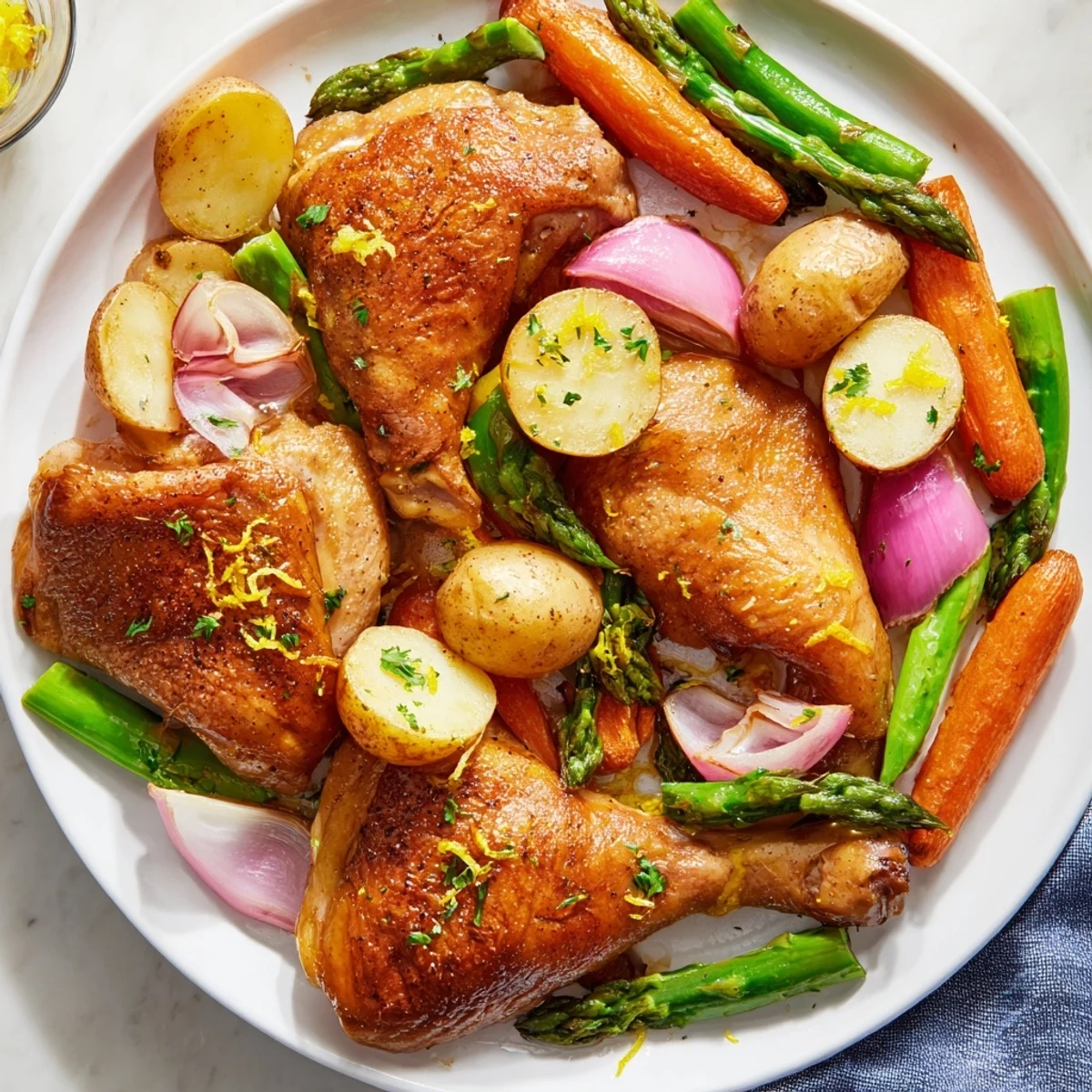
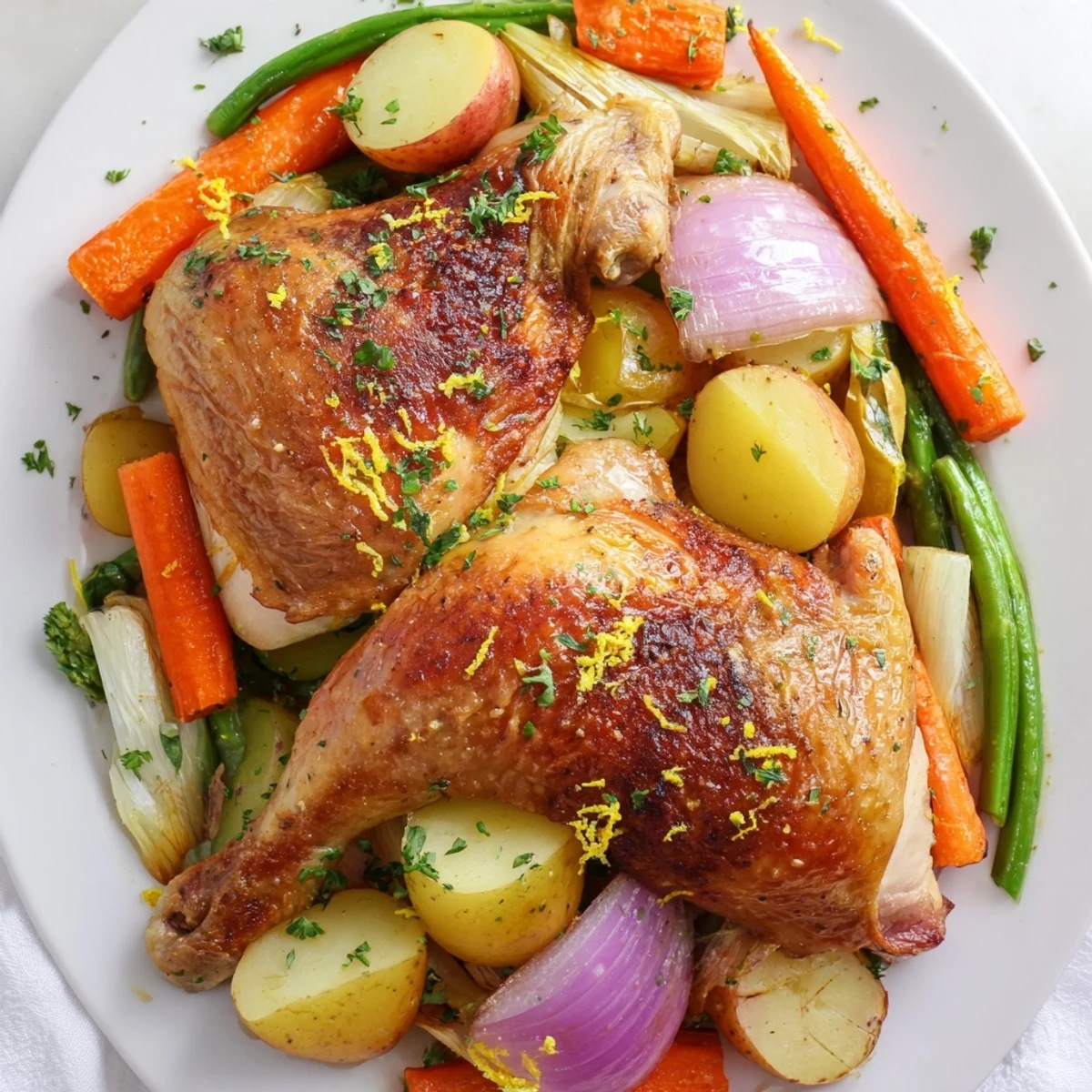
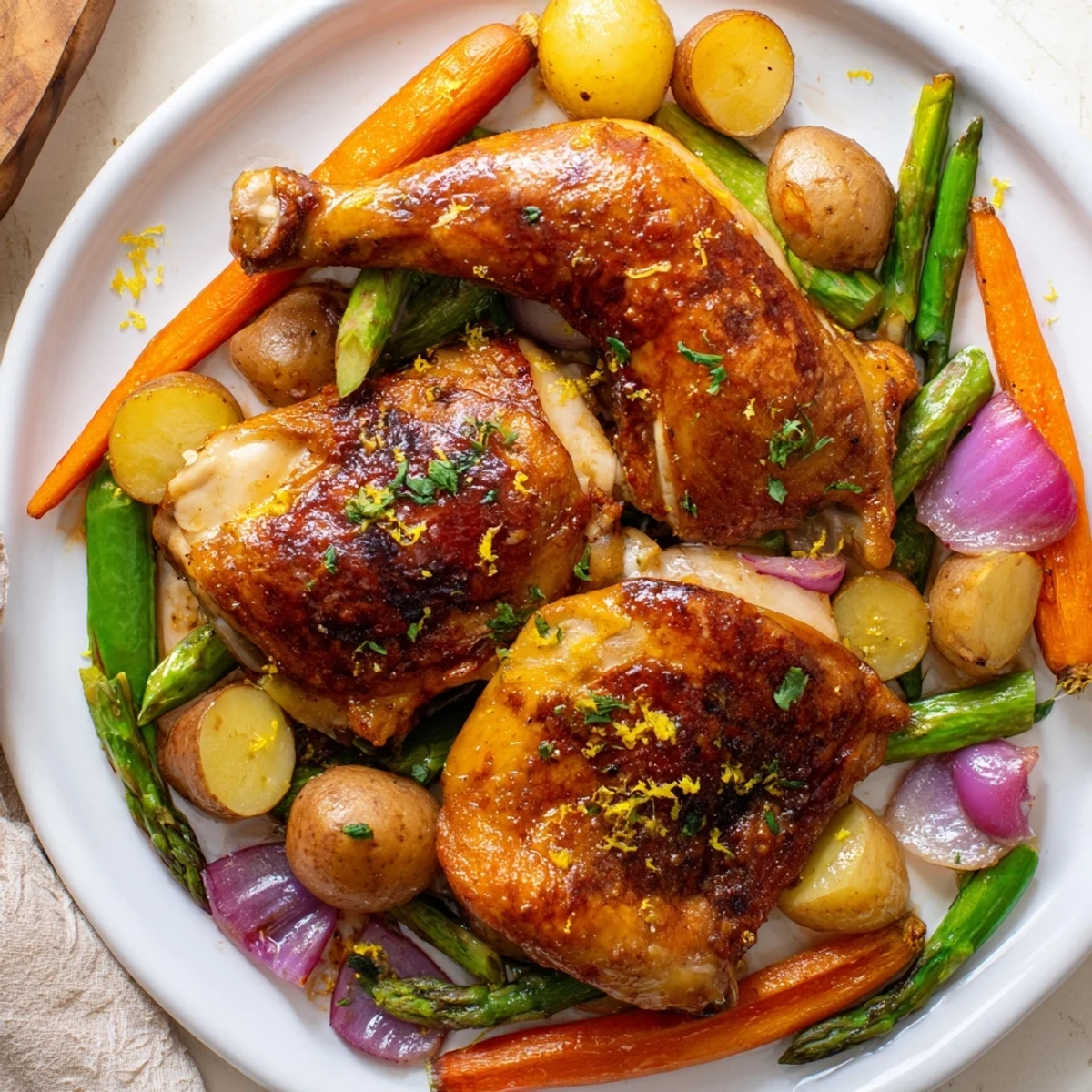
 This dish features a whole chicken roasted to perfection with aromatic herbs and lemon, complemented by a colorful array of tender spring vegetables like baby carrots, potatoes, asparagus, sugar snap peas, fennel, and red onion. The chicken is seasoned, roasted first alone to develop crisp skin, then combined with the vegetables to absorb flavors during the final roasting stage. Garnished with fresh parsley and lemon zest, this meal offers a balanced mix of textures and bright, fresh flavors ideal for a satisfying main course.
The smell of lemon and rosemary hit me before I even opened the oven door, and I knew I had finally gotten the timing right. My neighbor had dropped by unannounced that Sunday, claiming she could smell something worth investigating from her garden two houses down. We ended up eating straight from the roasting pan at the kitchen counter, too impatient to bother with plates.
I made this for my sister the week she moved into her first apartment, the kind of place with a stove that ran hot and a smoke detector with opinions. She stood in the doorway holding a bottle of wine she could not afford, watching me wrestle a raw chicken like it might fight back. By the time we ate, her kitchen felt like hers for the first time.
Ingredients
- Whole chicken: Pat it aggressively dry with paper towels; moisture is the enemy of that shattering crisp skin you are after.
- Olive oil: Two tablespoons for the bird, more for the vegetables, the good stuff if you have it.
- Lemon: Halved and stuffed into the cavity, it steams from the inside and perfumes everything.
- Garlic cloves: Crushed rather than minced so they mellow into sweetness without burning.
- Fresh rosemary and thyme: Woody herbs hold up to roasting; tuck them deep so they do not char.
- Baby carrots: Peeling is non-negotiable, the skins turn leathery and sad.
- Baby potatoes: Halved so they catch the drippings and develop a crust.
- Asparagus: Added late so it keeps some snap; mushy asparagus is a personal tragedy.
- Sugar snap peas: Trimmed and thrown in at the very end, they barely need heat.
- Fennel bulb: Sliced thin, it turns silky and sweet, a quiet star of the dish.
- Red onion: Wedges that soften and caramelize at the edges.
- Fresh parsley and lemon zest: Scattered at the end for brightness and a little showmanship.
Instructions
- Heat the oven and prep the bird:
- Crank your oven to 200°C and set the chicken on the counter to lose its chill. Cold chicken cooks unevenly, and you have learned this the disappointing way.
- Season inside and out:
- Rub every surface with olive oil, salt, and pepper, then stuff the cavity with lemon, garlic, and herbs. Do not be gentle; this is not a delicate operation.
- Position and tuck:
- Breast up in the roasting pan, wings folded under so they do not burn into little charcoal nubs. The thighs should be the highest point.
- First roast:
- Forty minutes of undisturbed heat starts the skin on its way to gold. Resist peeking; the oven hates interruptions.
- Toss the hardy vegetables:
- While the chicken works, coat carrots, potatoes, fennel, and onion in oil and salt. These need the full heat.
- Add the first wave:
- Scatter them around the chicken after that initial forty minutes, nestling some into the drippings.
- Continue roasting:
- Another twenty minutes lets everything mingle and the vegetables start to soften.
- The tender additions:
- Toss in asparagus and sugar snap peas, giving them a quick coat in the pan juices. They need barely ten minutes.
- Test and rest:
- Pierce the thigh; clear juices mean you are done. Let the bird rest ten minutes or the juices run out and the meat turns stringy.
- Plate with abandon:
- Carve however you manage, pile vegetables alongside, and finish with parsley and lemon zest. The pan drippings are optional sauce; I never opt out.
 Pin Recipe
 My mother called this peasant food with airs when I described it, then asked for the recipe three times. Some dishes do not need to be complicated to become the thing people remember you made.
What I Learned About Timing
The real skill here is knowing when to leave things alone and when to intervene. The chicken wants forty minutes of solitude. The vegetables want to be added in waves, not dumped in a heap. I once threw everything in at once because I was running late, and I ended with raw potatoes and desiccated peas. Patience is the ingredient they do not list.
The Fennel Revelation
I used to skip fennel, thinking I did not like licorice. Roasted, it does not taste like licorice at all; it tastes like something sweet and mysterious that makes people ask what you did differently. Now I buy two bulbs and hope for leftovers.
Making It Your Own
Once you know the rhythm, this recipe accepts substitutions without complaint. Radishes turn peppery and soft. Baby turnips add an earthy note. Even a handful of cherry tomatoes, added with the peas, burst into a makeshift sauce.
- Save the carcass for stock; you already have the roasted bones.
- A splash of white wine in the pan before the final roast never hurt anyone.
- Cold leftovers on good bread with mayonnaise is a lunch worth planning for.
 Pin Recipe
 However you adapt this, the goal is the same: a table that smells like Sunday even if it is Tuesday, and the quiet satisfaction of feeding people well without losing your mind.
Recipe FAQs
- → What temperature is ideal for roasting the chicken?
-
Preheat the oven to 200°C (400°F) to ensure the chicken cooks evenly and develops a crispy skin.
- → How can I ensure the chicken skin is crispy?
-
Pat the chicken thoroughly dry before roasting and rub with olive oil. Roasting uncovered helps achieve a crisp skin.
- → When should I add the spring vegetables to the roasting pan?
-
Add the baby carrots, potatoes, fennel, and red onion after 40 minutes of roasting the chicken, then add asparagus and sugar snap peas later for even cooking.
- → Can I substitute other vegetables for the spring ones listed?
-
Yes, radishes or baby turnips make excellent alternatives while maintaining the fresh, vibrant flavor profile.
- → How long should the roasted chicken rest before carving?
-
Allow the chicken to rest for 10 minutes after roasting to let the juices redistribute for moist, flavorful meat.
- → What herbs enhance the flavor of this dish?
-
Fresh rosemary and thyme add aromatic depth that complements the lemon and garlic used in roasting.
